Iceland's 4 Regions Offer Specialized Earth Experiences
"The wind howls against the window of a small wooden cottage, but the steam rising from the nearby thermal spring promises warmth."
Iceland is far more than a checklist of waterfalls; it is a collection of distinct micro-regions, each offering a specialized way to interact with the earth.
By choosing specific regional activities—like kayaking through remote eastern fjords or hiking volcanic ridges in the south—you move from being a spectator to a participant in the landscape.
Key Takeaways * Iceland’s diverse geography allows for highly specialized activities, such as geothermal bathing in the south versus glacier trekking in the highlands. * Experiential travel balances raw, rugged nature with deep cultural immersion into local lifestyles.
* Planning by region helps travelers optimize both their time and their budget. * The country offers a unique blend of extreme natural wonders and high-tech geological integration.

Why Choose Experiential Travel Over Standard Tourism in Iceland?
I stood at the edge of a roaring waterfall in 2025, feeling the freezing mist coat my skin, realizing I was just one of 50 people holding up phones to film the same view.
That moment of passive viewing felt hollow compared to the hours I spent later, actually walking the uneven basalt columns of a coastline.
Standard tourism often focuses on the "Golden Circle" loop, where you see the sights from a bus window. Experiential travel, however, focuses on active participation. Instead of just looking at a glacier, you strap on crampons and feel the crunch of ancient ice under your boots.
This approach creates deeper connections to the land. While a photo of a waterfall is nice, the memory of navigating a rugged trail to find a hidden, unnamed hot spring stays with you forever. It turns a vacation into a series of personal achievements and sensory experiences.
But simply choosing a different style of travel isn't enough; you have to pick the right ground to stand on.
The South Coast: How Do You Harness Volcanic Power?
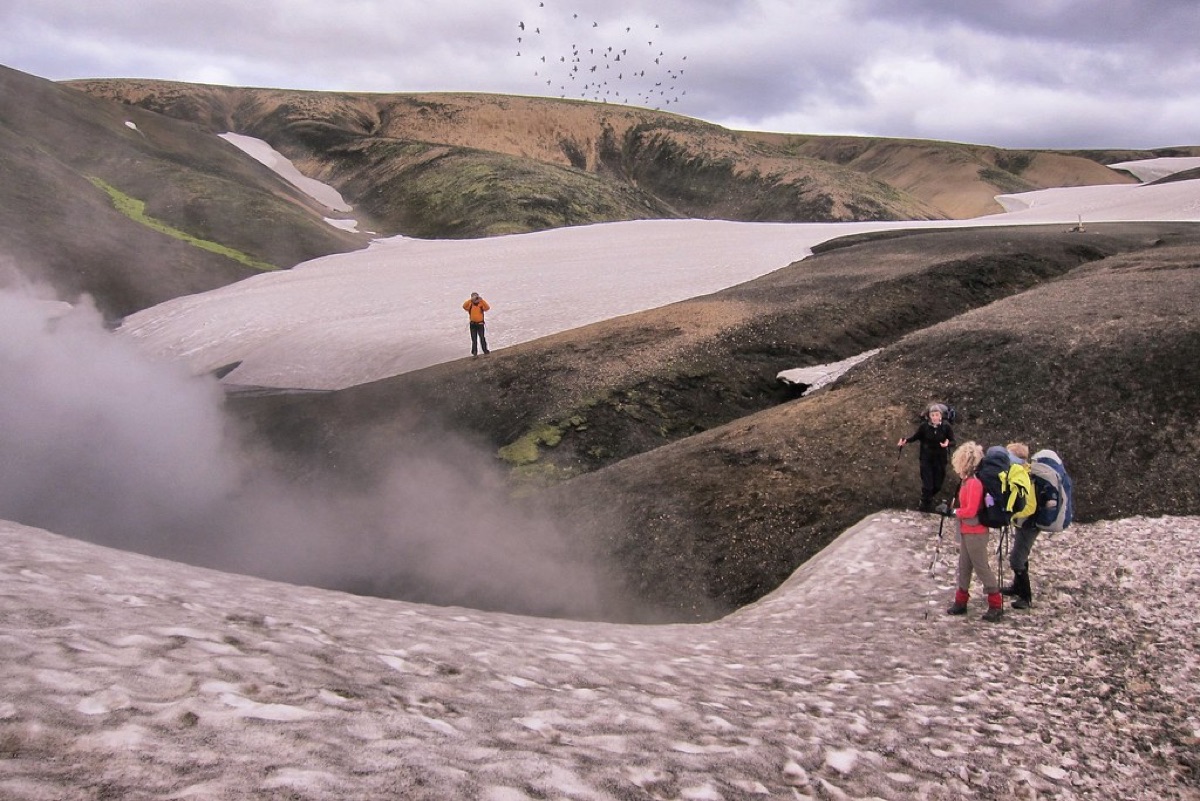
The smell of sulfur hangs heavy in the air as a small plume of steam escapes a crack in the dark, moss-covered ground. You reach down to touch the warm earth, feeling the literal heat of the planet beneath your fingertips.
The South Coast is the heart of Iceland's volcanic energy. While most visitors flock to the famous black sand beaches of Reynisfjara, the real magic lies in the specialized tours that take you deeper into the geothermal zones.
You can join guided hikes that follow the thermal veins of the earth, far from the crowded tourist hubs.
For those looking to structure their time, a typical South Coast day might look like this:
- 08:00 AM: A rugged hike through volcanic fields to observe unique geological formations.
- 01:00 PM: Exploring the dramatic coastline and 20-meter-high basalt sea stacks.
- 06:00 PM: A dedicated 3-hour soak in a lesser-known, local geothermal spring to recover.
This region is perfect for those who want to see the raw power of Iceland's tectonic activity up close. However, the energy of the south is quite different from the scientific precision found near the capital.
The Golden Circle & Reykjanes Peninsula: Where Does Geology Meet Modern Life?
A heavy boot thuds against the gravel as you approach a bubbling mud pot, the sound echoing through the quiet, wind-swept plain. You watch a bubble of gray sludge pop, releasing a hiss of steam into the 2-degree Celsius Atlantic air.
According to a 2013 report by the European Commission, Iceland invests approximately 3.11% of its GDP into scientific research and development.
The Reykjanes Peninsula offers a stark contrast to the lushness of the south. Here, the landscape feels primordial, characterized by moss-covered lava fields and active tectonic plate boundaries. It is a place where high-level science meets daily life.
Iceland invests heavily in understanding this environment.
This investment often manifests in highly educational tours that explain the complex geology of the Mid-Atlantic Ridge. Furthermore, the peninsula demonstrates how Icelanders harness this power.
You can see the direct link between the bubbling earth and the modern infrastructure that provides sustainable energy to the nation. It is a masterclass in how a society lives in harmony with extreme geological forces.
Yet, if you seek to leave the infrastructure behind, you must head toward the edges of the map.
The North & East: Why Seek Untamed Wilderness and Culture?
The sun hangs low over a quiet fjord, casting long, golden shadows across the water as a kayak glides silently through the stillness. You hear nothing but the rhythmic dip of your paddle and the distant cry of a seabird.
According to the OECD, 64% of Icelanders aged 25–64 have earned the equivalent of a high-school degree.
If the South is about power, the East and North are about peace and "slow travel." These regions are less frequented by large tour buses, making them the ideal destination for authentic local culture.
In the East, you can find small-town tours that focus on fishing traditions, local crafts, and the quiet rhythms of fjord life.
Budgeting for these regions requires a different mindset. While the South Coast has high-density tourism and more "tourist prices," the North and East often offer a more localized economy.
| Region | Primary Activity Type | Typical Pace | Relative Cost |
|---|---|---|---|
| South Coast | Volcanic & Coastal | Fast/Active | Moderate to High |
| Golden Circle | Geological & Historical | Moderate | Moderate |
| North & East | Cultural & Wilderness | Slow/Immersive | Variable (can be lower) |
| Highlands | High-Adrenaline | Intense | High (due to logistics) |
While the North offers a slower pace, the West and Highlands demand a much more aggressive approach to planning.
The West & Highlands: Can You Handle Adventure Beyond the Paved Roads?
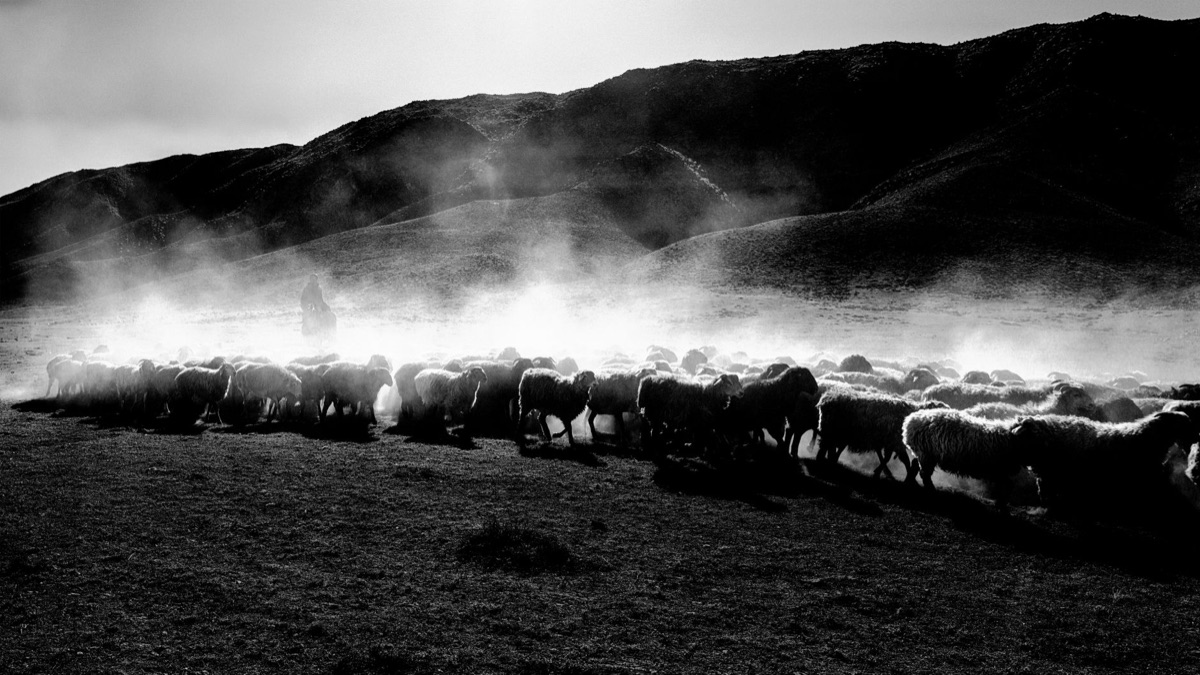
The wind whips fiercely against your face, stinging your eyes as you navigate a ridge of ice that stretches toward the horizon. You lean into the slope, your heavy gear clanking with every deliberate step upward.
The Highlands and the West are for the true adventurers. This is where you find high-adrenaline activities like glacier hiking and ice cave exploration. However, this beauty comes with significant responsibility and preparation.
Access to the Highlands is often seasonal and requires specialized vehicles (4x4s) and often a professional guide. You cannot simply drive a standard rental car into these rugged interior zones. Safety is paramount here; the weather can shift from clear skies to a blinding blizzard in minutes.
When planning a multi-day highland adventure, expect to invest more in gear and logistics. You will need high-quality waterproof layers, sturdy hiking boots, and often specialized equipment provided by tour operators to ensure you can navigate the shifting ice and unpredictable terrain safely.
Planning Your Perfect Icelandic Adventure: How Do You Manage Cost and Logistics?
A heavy backpack rests on the floor of a small guesthouse, the zipper rasping in the quiet room as you prepare for tomorrow's trek. You check your map one last time, noting the distance between the glacier and the next thermal well.
According to the IMF, Iceland's GDP saw an overall contraction of 6.5% during 2009.
Planning an Icelandic trip requires balancing your desire for adventure with your available budget. There are two main ways to approach this:
- The Budget Approach: Focus on free natural attractions (waterfalls, hiking trails) and use local supermarkets for food. Stick to the North or East for potentially lower accommodation costs.
- The Premium Approach: Book specialized, small-group guided tours (glacier trekking, private boat tours) and stay in boutique hotels or well-equipped lodges.
When comparing tour operators, don't just look at the price tag. Look at their specialization. A company that specializes in wildlife photography will offer a vastly different experience than one that focuses on geological history.
Always check recent reviews specifically regarding their safety protocols, especially if you are heading into the Highlands or onto a glacier. Timing is also critical.
Summer of 2026 offers the best access to the Highlands and long days for hiking, while winter is the prime time for ice caves and the Northern Lights, though it requires much more careful logistical planning.
FAQ
아이슬란드가 다양한 지구 체험을 제공하는 이유는 무엇인가요?
아이슬란드 여행 시 '경험 중심 여행(Experiential Travel)'은 일반 관광과 어떻게 다른가요?
아이슬란드 남부 해안은 어떤 특징을 가지나요?
Related posts
IMF Intervention: 18% Rates and the Strain on Foreign Funds

High Interest Rates Stabilized Iceland Post-Banking Failure
Iceland Winter: Pursuing the Aurora Beyond Tourist Crowds
Iceland in July: Unlock 24 Hours of Golden Daylight
Popular posts
7 Days in Iceland: See Glaciers, Aurora, and Hot Springs

80s Onward: Björk Fuses Vocals with Experimental Soundscapes

82% State Funding Supports Symphony's Cultural Journey

Comments 0