Vegan Dining in Iceland: 8 Ways to Taste Local Flavors
"Iceland is a land of fire and ice, but its plate is increasingly defined by the green of its greenhouses and the grit of its soil."
Finding a satisfying plant-based meal in a country known for fermented shark and heavy cream might seem like a challenge, but the reality is far more delicious.
Whether you are navigating the colorful streets of Reykjavik or driving through the windswept landscapes of the South Coast, the shift toward sustainable, plant-forward dining is palpable.
Key Takeaways: * Iceland offers surprisingly diverse vegan dining options that go far beyond simple salads. * Connecting with local produce, like greenhouse-grown vegetables, deepens your understanding of Icelandic terroir.
* Sustainable eating aligns perfectly with Iceland's commitment to geothermal and renewable energy. * Planning a food-focused road trip requires knowing how to balance restaurant dining with strategic grocery shopping.
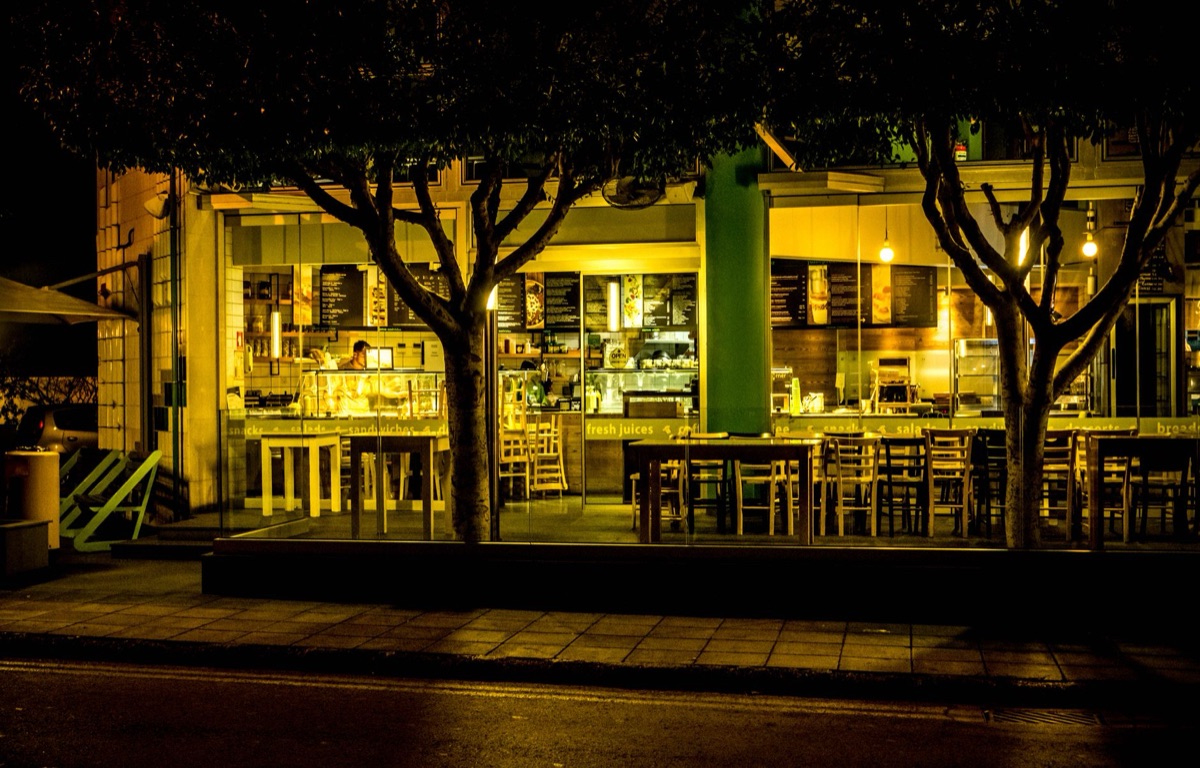
Why Veganism Thrives in Iceland’s Unique Landscape?
I stood in a greenhouse in Friðheimar in the late afternoon of a Tuesday in 2025, the smell of tomato vines thick in the air, watching the steam rise from the geothermal pipes below. It hit me then that the very energy heating the water in my bath is the same energy growing the salad in my bowl.
According to Health systems in transition (2014), more than half of adult Icelanders were overweight or obese in 2004.
The rise of veganism in Iceland isn't just a trend; it is a convergence of modern sustainability and a deep-rooted respect for the planet's power. For decades, the Icelandic diet was defined by necessity—heavy, calorie-dense meals designed to combat the brutal North Atlantic cold.
However, as the country has modernized, there has been a significant shift from traditional heavy fare toward lighter, globally-inspired plant-based dishes. This transition mirrors Iceland's broader commitment to renewable energy.
Just as the nation relies on geothermal and hydroelectric power, a growing number of residents and chefs are looking toward renewable, plant-based food sources.
In Reykjavik, this has manifested as a vibrant culinary scene where high-end chefs and casual cafe owners alike embrace vegetable-centric menus. This shift is a response to changing health consciousness and a desire to live in harmony with the fragile Arctic environment.
But how do you actually find these meals once you leave the capital?

Navigating the Vegan Scene: Where to Eat Beyond Tourist Traps
Walking down Laugavegur in Reykjavik at 12:30 PM, the sheer variety of food can be overwhelming, but the smell of fresh sourdough and roasted coffee usually leads the way.
In the capital, you can find everything from high-end fusion to quick, casual bites. While the central tourist areas offer plenty of options, the real gems are often found in the side streets of neighborhoods like Vesturbær.
In these areas, you can find specialized cafes that prioritize organic and local ingredients.
* Reykjavik Deep Dive: For a truly unique experience, look for spots that focus on "New Nordic" flavors. In many Reykjavik establishments, you can find gourmet vegan dishes like cauliflower steaks with herb-infused oils or mushroom-based risottos that rival any meat-heavy plate. * Actionable Tip: If you want a signature experience, look for cafes serving "Icelandic-style" vegan bowls—often featuring hearty grains, pickled seasonal vegetables, and locally sourced seaweed. * Pricing Note: Expect to pay a premium in the city. A mid-range vegan lunch might cost between $25 and $40 USD, while fine dining can easily exceed $100 USD per person.
When you leave the capital and hit the Ring Road, the dining landscape changes. In smaller towns like Akureyri or Höfn, you won't always find dedicated vegan restaurants, but you will find flexibility.
* Road Trip Dining: Many small-town cafes offer veganized versions of traditional Icelandic soups. A creamy tomato soup or a hearty vegetable broth is a staple that is easy to find and incredibly satisfying after a day of hiking. * Actionless Tip: Always ask if the bread is sourdough-based; many local bakeries produce excellent vegan-friendly sourdough that is perfect for a quick lunch. * DIY Vegan Adventures: For those staying in guesthouses or campervans, stocking up is essential. Local supermarkets like Bónus and Krónan are your best friends. They offer a wide selection of plant-based staples, including vegan cheeses, meat substitutes, and fresh produce.
The variety is vast, but the flavor profile is what truly defines the experience.
The Essence of Icelandic Local Produce: A Plant-Forward Palate
I remember biting into a fresh, sun-warmed tomato in the middle of a snowy Icelandic winter in 2025, wondering how something so vibrant could grow in such a harsh climate.
The concept of "local" in Iceland is tied closely to the greenhouse. Because much of the produce is grown using geothermal heat, you can find fresh greens and vegetables even when the ground outside is frozen. This creates a unique seasonal rhythm.
* Seasonal Bounty: In the summer, you can find wild berries and fresh herbs. In the winter, the focus shifts to root vegetables and greenhouse-grown greens. * Actionable Tip: In winter, look for menus featuring roasted root vegetables (carrots, parsnips, beets) paired with local grains. In summer, look for salads featuring fresh radish and cucumber. * Unique Ingredients: Do not overlook seaweed. It is a nutritional powerhouse and a staple of the Icelandic coastline. It can be used as a salty, umami-rich seasoning for vegan dishes. * Modern Tradition: Many chefs are now using ancient preservation methods—like pickling, fermenting, and drying—to create complex flavors in plant-based dishes without needing meat.
| Feature | Reykjavik Dining | Road Trip/Self-Catering |
|---|---|---|
| Variety | High (International & Fusion) | Moderate (Focus on staples) |
| Cost | High ($$$) | Low to Moderate ($) |
| Convenience | High (Walking distance) | Requires planning/driving |
| Focus | Gourmet & Experimental | Hearty & Practical |
The table shows the contrast, but how do you manage the logistics of a long-distance journey?
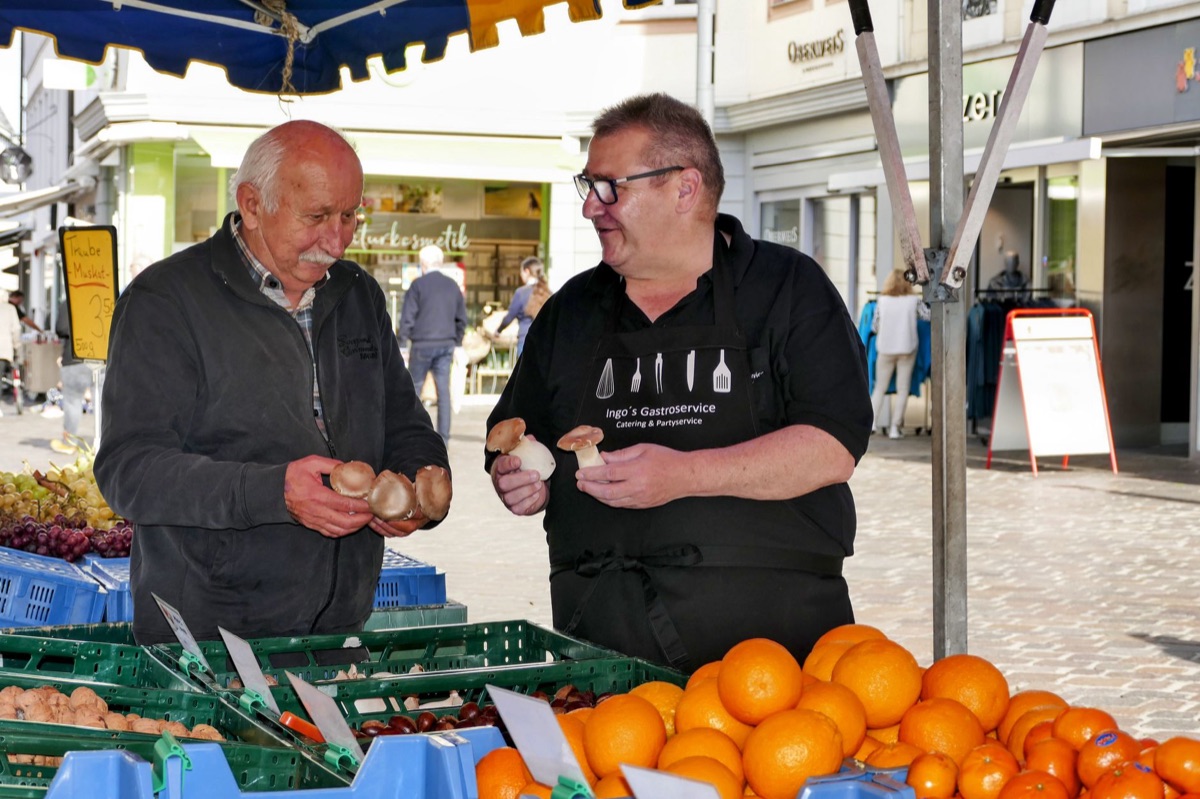
Planning Your Sustainable Foodie Journey (Logistics & Timing)
Driving through the vast, empty stretches of the Highlands at 6:00 PM, you realize that food isn't just fuel; it is a planned event.
When planning a road trip, you cannot simply wing your meals. The distances between towns can be significant, and finding a specific vegan specialty in a remote fjord might not always be possible.
To ensure you are well-fed while exploring, follow this checklist:
- Identify Hubs: Map out your stops based on major towns. In the North, Akureyri is a fantastic hub for diverse food. In the South, you will find more frequent stops but higher prices.
- Time Your Stops: Create a "food itinerary" alongside your sightseeing. If you know a specific town has a famous bakery, plan your drive to hit that spot during morning hours.
- Stock the Van: For those in campervans, always keep a supply of dried goods and local snacks from Bónus or Krónan to bridge the gap between meals.
- Check Seasonal Hours: In the off-season (September to March), many smaller cafes may have limited hours. Always verify opening times before driving an hour to reach a specific destination.
A realistic budget for a vegan traveler should account for a mix of "splurge" meals in the city and "budget" meals during the road trip. A single restaurant meal can cost as much as three days of grocery shopping.
The off-season challenge is real; during these months, relying on well-stocked grocery stores and having a reliable camping kitchen is vital for maintaining a plant-based diet. But what happens when you hit the road and the options run thin?
FAQ
아이슬란드에서 비건 식사를 찾는 것이 왜 쉬워지고 있나요?
아이슬란드에서 비건 식문화의 변화는 어떤 흐름을 반영하나요?
아이슬란드에서 식물성 식단이 각광받는 배경에는 어떤 요소들이 있나요?
Related posts

IMF Intervention: 18% Rates and the Strain on Foreign Funds

High Interest Rates Stabilized Iceland Post-Banking Failure
Iceland Winter: Pursuing the Aurora Beyond Tourist Crowds

Iceland in July: Unlock 24 Hours of Golden Daylight
Popular posts

7 Days in Iceland: See Glaciers, Aurora, and Hot Springs

80s Onward: Björk Fuses Vocals with Experimental Soundscapes

82% State Funding Supports Symphony's Cultural Journey

Comments 0