82% State Funding Supports Symphony's Cultural Journey
"The sound of a violin in a quiet hall can feel as vast as a glacier, but the history behind that music is what truly defines a nation."
The story of the Iceland Symphony Orchestra is more than just a collection of musicians playing notes; it is the story of a nation finding its voice through the decades. As Iceland transitioned from a remote North Atlantic outpost to a modern cultural hub, its music evolved alongside its identity.
Key Takeaways * The orchestra’s history is deeply intertwined with the development of modern Icelandic national identity. * Operational structures have faced significant financial hurdles throughout the decades.
* The evolution of performance spaces in Reykjavík reflects the growing sophistication of the local music scene. * The orchestra acts as a living document of Iceland's cultural journey from isolation to global recognition.
Tracing the Roots: The Genesis of Icelandic Musical Tradition
I remember standing in the center of a quiet hall in Reykjavík, looking up at the high ceilings and wondering how a small island could sustain such a grand tradition. The air felt heavy with the weight of history, even in a room that felt modern.
Before there was a professional national ensemble, the musical landscape of Iceland was fragmented. The need for a unified, professional body became clear as the country sought to establish a distinct cultural presence on the world stage.
It wasn't just about playing music; it was about building an institution that could represent the soul of a growing nation.
The establishment of the orchestra was a move toward professionalization. It wasn't merely an artistic endeavor but a foundational step in solidifying a national cultural identity.
By bringing musicians together under one banner, Iceland began to move from folk traditions toward a structured, classical excellence that could stand alongside European neighbors.
Navigating Financial Currents: Early Challenges and Institutional Support
Walking through the streets of Reykjavík during a sudden rainstorm, I once thought about how much effort it takes to keep a grand institution running against the elements.
In the early days, the struggle wasn't just against the weather, but against the sheer economic instability of a developing nation.
The orchestra’s formative years were marked by significant financial volatility. In 1960, the orchestra's board faced a period of intense financial difficulty. This was largely driven by high inflation, which was stripping the Icelandic króna of its purchasing power by approximately 10% annually.
Such economic shifts meant that even successful seasons could be undermined by the changing value of money.
To survive, the orchestra required a structured support system. The funding model was designed to balance national interest with local support.
According to a 1982 law, which was later updated in 2007, the primary financial sources for the Iceland Symphony are the Icelandic treasury, which provides 82% of the funding, and the City of Reykjavik, which provides the remaining 18%.
This partnership ensures that while the orchestra serves the whole nation, its heart remains tied to its home city.
Reykjavík: The Crucible of Sound and Culture
Driving through the colorful streets of downtown Reykjavík, you realize that the city is much more than just a capital; it is the pulse of the entire country. The density of life here makes every concert feel like a communal gathering.
Reykjavík serves as the indispensable cultural heart of the nation. The city is home to approximately 35% of Iceland's roughly 395,000 residents, making it the primary audience and the central hub for all artistic endeavors.
Because the population is so concentrated, the orchestra's relationship with the city is uniquely intimate.
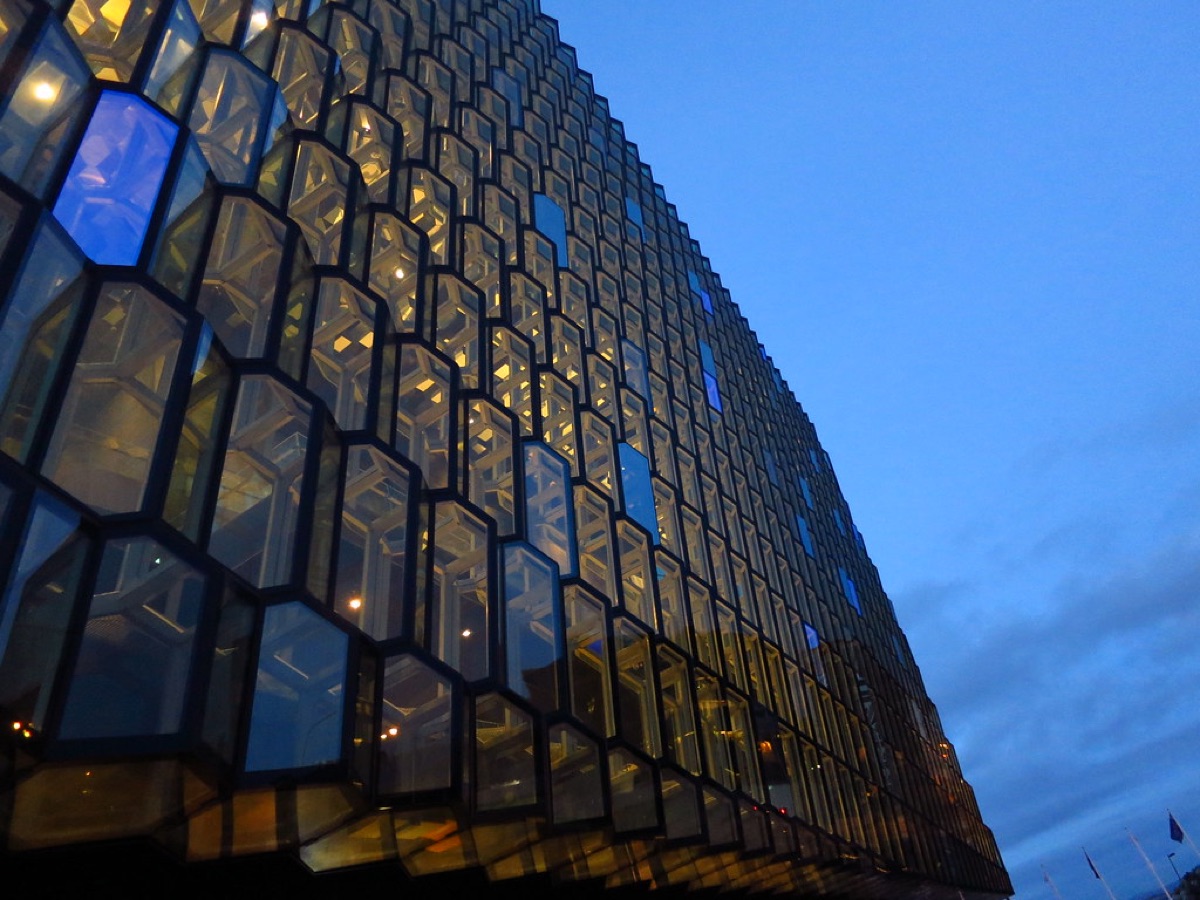
The evolution of performance venues in the city has mirrored the orchestra's own growth. From smaller, more modest halls to the striking, modern architecture of contemporary venues, the physical spaces where music is played have become symbols of Iceland's modernization.
The city provides the audience, the talent, and the stage, making it the essential crucible where Icelandic sound is forged.

From Tradition to Modern Stage: The Orchestra's Artistic Evolution
I once sat through a rehearsal where the musicians transitioned from a traditional Icelandic folk melody into a complex, modern composition. The shift in atmosphere was palpable, moving from the warmth of the past to the sharp clarity of the future.
Over the decades, the orchestra has undergone a significant artistic shift. While it remains a guardian of Icelandic musical heritage, it has also embraced a much broader international repertoire.
This balance allows the ensemble to preserve the unique "voice" of Iceland while engaging with the global classical canon.
This evolution has allowed the orchestra to act as a bridge. It connects the traditional sounds of the past with the avant-garde explorations of contemporary composers.
By doing so, the orchestra ensures that Icelandic music does not become a museum piece, but remains a living, breathing, and evolving art form that can compete on the global stage.
The Modern Ecosystem: Orchestra in Contemporary Iceland
Sitting in a modern cafe in Reykjavík, watching people head toward a concert hall, you realize that music is an integrated part of the daily rhythm here. It isn't a separate event; it is a fundamental part of the social fabric.
Today, the orchestra operates within a sophisticated cultural ecosystem. It is no longer just a group of musicians but a pillar of the national identity that interacts with schools, international touring circuits, and digital media.
The current operational framework relies on that stable mix of state and municipal funding to maintain its high professional standards.
The relationship between the orchestra and the vibrant life of Reykjavík is symbiotic. The city provides the infrastructure and the diverse audience, while the orchestra provides the cultural prestige and intellectual depth that defines the city's identity.
In the modern era, the orchestra is a vital contributor to the social and emotional well-being of the Icelandic people.
| Feature | Historical Context | Modern Context |
|---|---|---|
| Primary Funding | High volatility/inflation-impacted | 82% Treasury / 18% City of Reykjavik |
| Focus | Establishing national identity | Global engagement & innovation |
| Venue Type | Small, localized halls | Large-scale, architectural landmarks |
| Audience Base | Local community focus | National and international reach |
#
FAQ
아이슬란드 심포니 오케스트라의 역사는 무엇과 관련이 있나요?
전문적인 국가 단체의 필요성이 생긴 계기는 무엇이었나요?
오케스트라 설립 초기 운영에 어떤 어려움이 있었나요?
Related posts

IMF Intervention: 18% Rates and the Strain on Foreign Funds

High Interest Rates Stabilized Iceland Post-Banking Failure

Iceland Winter: Pursuing the Aurora Beyond Tourist Crowds

Iceland in July: Unlock 24 Hours of Golden Daylight
Popular posts

7 Days in Iceland: See Glaciers, Aurora, and Hot Springs

80s Onward: Björk Fuses Vocals with Experimental Soundscapes

82% State Support: Securing Iceland's Musical Future

Comments 0