Iceland Food Tour: 6 Steps to Tasting Viking Flavors
Exploring the flavors of Iceland means tasting the survival wisdom of Viking settlers who mastered the art of preservation against the North Atlantic's harshest elements.
Icelandic cuisine is a profound journey through history, blending ancient fermentation techniques with modern geothermal innovation. From the pungent tradition of fermented shark to bread baked by the heat of the earth, every bite tells a story of resilience and natural energy.
* Viking Heritage: Traditional preservation methods like fermentation and smoking date back to the 10th century. * Geothermal Innovation: Iceland utilizes 100% renewable energy, even using underground heat to bake unique rye breads. * Nutritional Profile: The diet is naturally high in protein and low in fat, centered on premium seafood and lamb. * Strategic Dining: Success relies on understanding seasonal availability and prioritizing locally sourced ingredients.
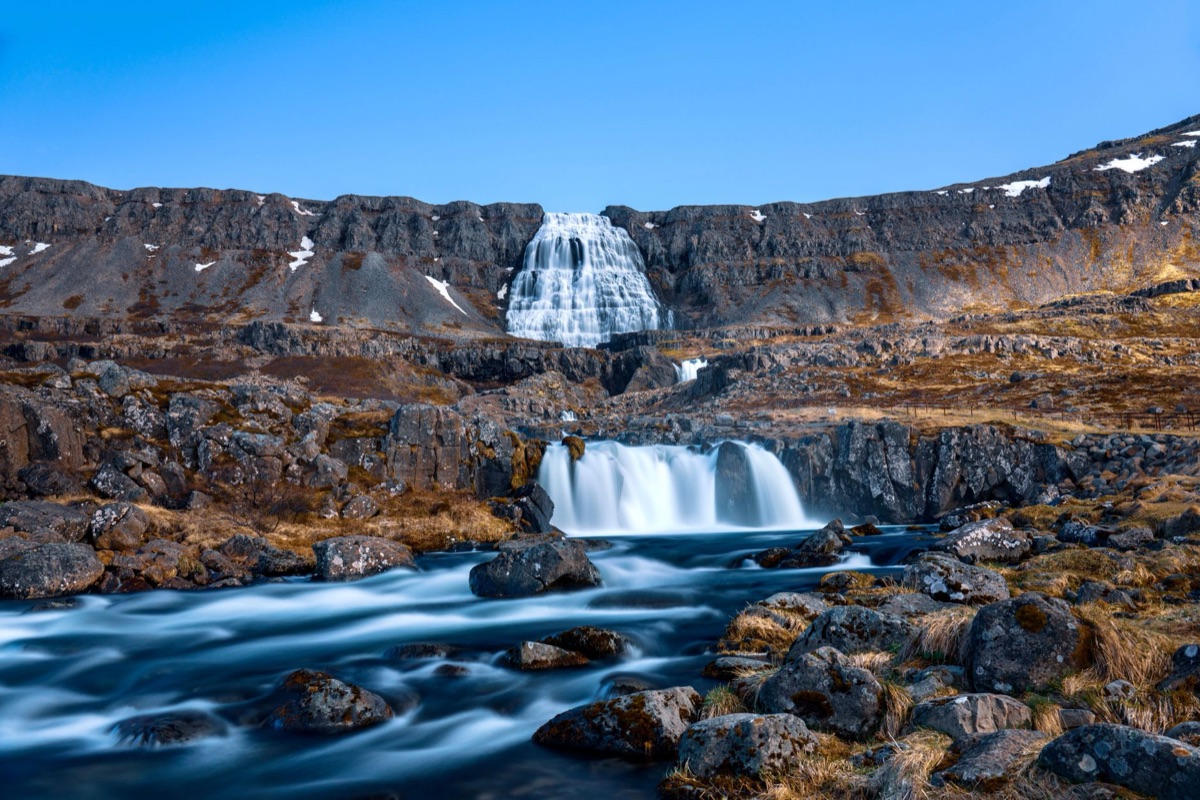
Where do Iceland's culinary roots actually come from?
To truly understand what's on your plate in Reykjavik, you have to look back to the 10th-century Viking era. In those days, food preservation wasn't a culinary trend—it was a matter of life and death.
Given the brutal North Atlantic climate, these settlers had to master ways to keep food edible through long, dark winters.
According to data from Statistics Iceland, the country currently produces about 20-30% of its total food supply, meaning a significant portion of what you see in stores is imported. This scarcity is exactly why the traditional methods of drying and fermenting became so vital to their survival.
Take *Hákarl* (fermented shark), for example. Raw Greenland shark is actually toxic, but by fermenting it at a controlled temperature between 0°C and 5°C, the toxins are neutralized.
I'll never forget my first bite in a small coastal village; the ammonia scent hits you instantly, but it's a powerful, historical taste that connects you to the land.
Then there's *Harðfiskur*, a dried fish that serves as the ultimate high-protein, low-fat snack. I remember sitting in a local market, spreading thick Icelandic butter over a piece of crispy dried fish.
That salty, savory burst of the ocean is something you just can't replicate with processed snacks.

How does geothermal energy create "Magic Bread"?
Iceland is one of the few places on Earth where the ground literally cooks your food. Because the country's electricity and heating sectors rely on 100% renewable energy, this geothermal power has bled into the kitchen in the most delicious way possible.
According to UNESCO's 2023 records, Iceland's unique system of utilizing geothermal energy for food production and heating is a standout example of sustainable living. This leads to the creation of *Rúgbrauð*, a dense, dark rye bread.
Instead of using a standard oven, bakers bury the dough in the ground near hot springs, letting the natural earth heat bake it slowly over many hours.
| Feature | Standard Rye Bread | Rúgbrauð (Geothermal) |
|---|---|---|
| Cooking Method | High-heat oven baking | Low-temperature geothermal baking |
| Texture | Light and airy | Dense, heavy, and chewy |
| Flavor Profile | Typical grain taste | Deeply caramelized and sweet |
| Primary Ingredients | Wheat, rye, yeast | Rye, dairy, geothermal heat |
How to plan your ultimate Icelandic food tour
Navigating the food scene here requires more than just a reservation at a fancy restaurant. You need to play the "seasonal game" to get the best experience.
[My 6-Step Guide to a Flawless Culinary Trip]
- Master the Basics: Research core ingredients like *Hákarl*, *Harðfiskur*, and Icelandic lamb before you land so you know what to expect. 2. Timing is Everything: Aim for the summer months if you want fresh seafood and greenhouse vegetables, or winter if you want to lean into the "preserved food" culture. 3. Mix Your Venues: Don't just do fine dining. Balance high-end "New Nordic" restaurants with local bakeries and rugged seafood markets. 4. Seek Out Geothermal Cooking: Make it a point to visit a geothermal area where you can see *Rúgbrauð* being pulled from the earth. 5. Book Ahead: Popular spots in Reykjavik and remote coastal towns fill up fast. Always secure your table well in advance. 6. Eat Responsibly: Prioritize restaurants that highlight local ingredients. This supports the domestic economy and lowers your carbon footprint.
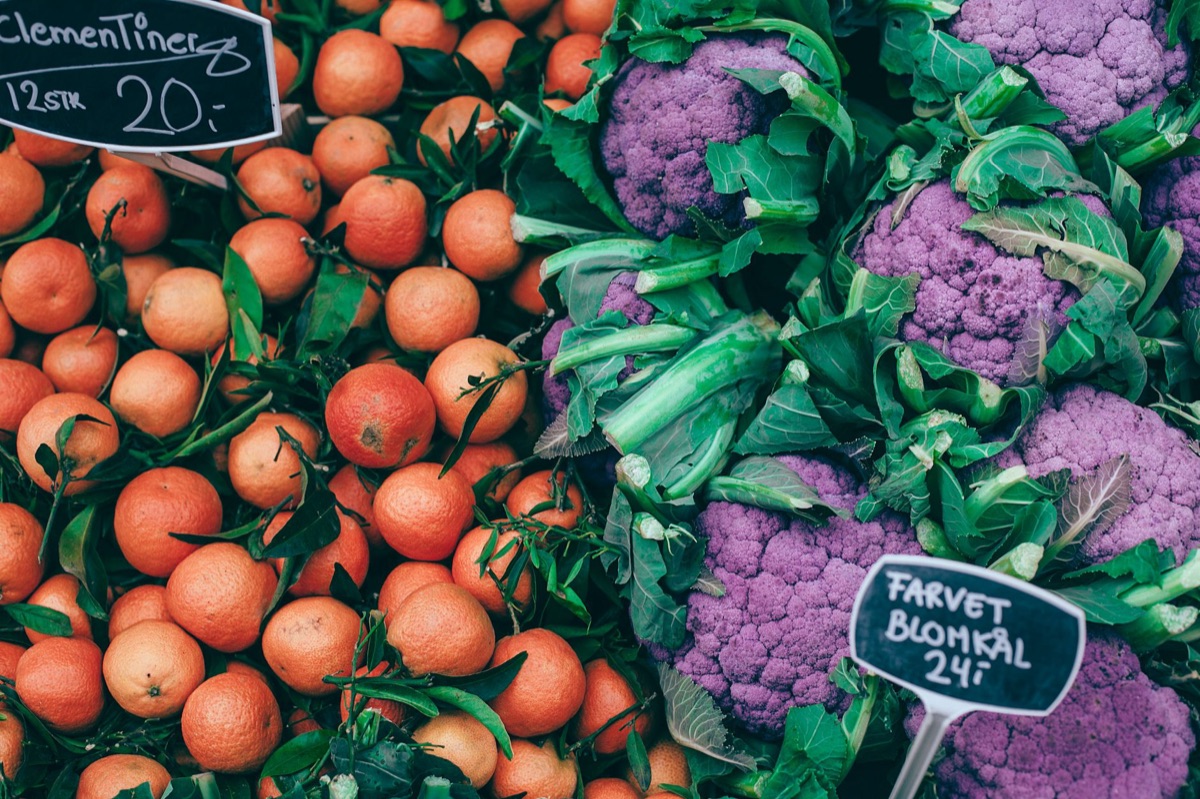
Is the Icelandic diet actually healthy?
From a nutritional standpoint, the traditional Icelandic diet is a powerhouse. It is characterized by being high in protein and low in fat, primarily because the diet relies so heavily on fresh fish and grass-fed lamb.
Statistics Iceland's 2022 reports highlight this nutritional trend, showing how the local diet has evolved around these high-quality proteins.
However, there are limitations. Because of the climate, fresh produce can be harder to come by during the winter. That said, Iceland is fighting this with technology; they use geothermal energy to power massive greenhouses, ensuring a steady supply of fresh greens even when it's freezing outside.
While some might argue that the reliance on imports (the 20-30% mentioned earlier) makes the food supply vulnerable, the integration of renewable energy into food production makes Iceland a global leader in sustainable eating.
FAQ
아이슬란드 음식의 기원은 무엇이며, 어떤 역사를 담고 있나요?
아이슬란드가 현대 요리에 활용하는 지열 에너지의 역할은 무엇인가요?
아이슬란드 전통 음식 중 '학아르르(Hákarl)'과 '하르드피스쿠르(Harðfiskur)'에 대해 알려주세요.
Related posts

IMF Intervention: 18% Rates and the Strain on Foreign Funds

High Interest Rates Stabilized Iceland Post-Banking Failure
Iceland Winter: Pursuing the Aurora Beyond Tourist Crowds

Iceland in July: Unlock 24 Hours of Golden Daylight
Popular posts

7 Days in Iceland: See Glaciers, Aurora, and Hot Springs

80s Onward: Björk Fuses Vocals with Experimental Soundscapes

82% State Funding Supports Symphony's Cultural Journey

Comments 0