High Interest Rates Stabilized Iceland Post-Banking Failure
"The weight of a nation's debt can shift the very ground beneath its feet."
Iceland’s transition from a fishing-dependent economy to a global financial hub, and then through a devastating collapse, serves as a stark lesson in the dangers of rapid, debt-fueled expansion.
Key Takeaways * The pre-crisis era saw Icelandic banks accumulate massive international debt that far outpaced the nation's GDP. * In response to the collapse, the government implemented extreme measures, including massive interest rate hikes.
* Tourism emerged as a primary economic pillar, growing from a niche industry to a multi-million visitor powerhouse. * Modern Iceland shows significant recovery, evidenced by high GDP per capita and evolving human capital.

The Financial Crucible: Why did the banks grow so fast?
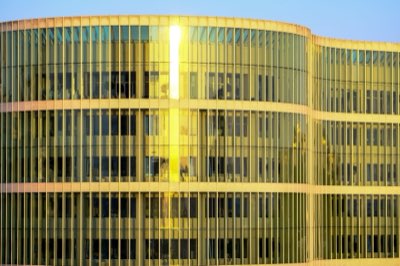
In the gold-tinted light of a Reykjavik morning, bankers leaned back in leather chairs, feeling the warmth of sudden, limitless wealth.
A quiet morning in Reykjavik in 2007 felt like the calm before a perfect storm. In the glass-walled offices of the major banks, the atmosphere was one of unprecedented prosperity, but beneath the surface, the sheer scale of international borrowing was reaching a breaking point.
Before the cracks appeared, the Icelandic financial sector had undergone a radical transformation. The three major banks had expanded aggressively into international markets, accumulating vast amounts of foreign-denominated debt.
This wasn't just local lending; it was a globalized risk profile that tied the fate of a small island nation to the whims of international credit markets.
In 2007, the government appeared to be in a solid fiscal position, but the sheer volume of private bank debt meant that the sovereign state was effectively tethered to a ballooning liability.
When global liquidity dried up, the mismatch between the banks' massive overseas obligations and the small size of the Icelandic economy became an existential threat.
The suddenness of the shift required urgent intervention. As the cracks widened, the government had to navigate the complexities of emergency measures and the involvement of international bodies to prevent a total systemic wipeout.
But how did a single week of panic turn into a decade of struggle?
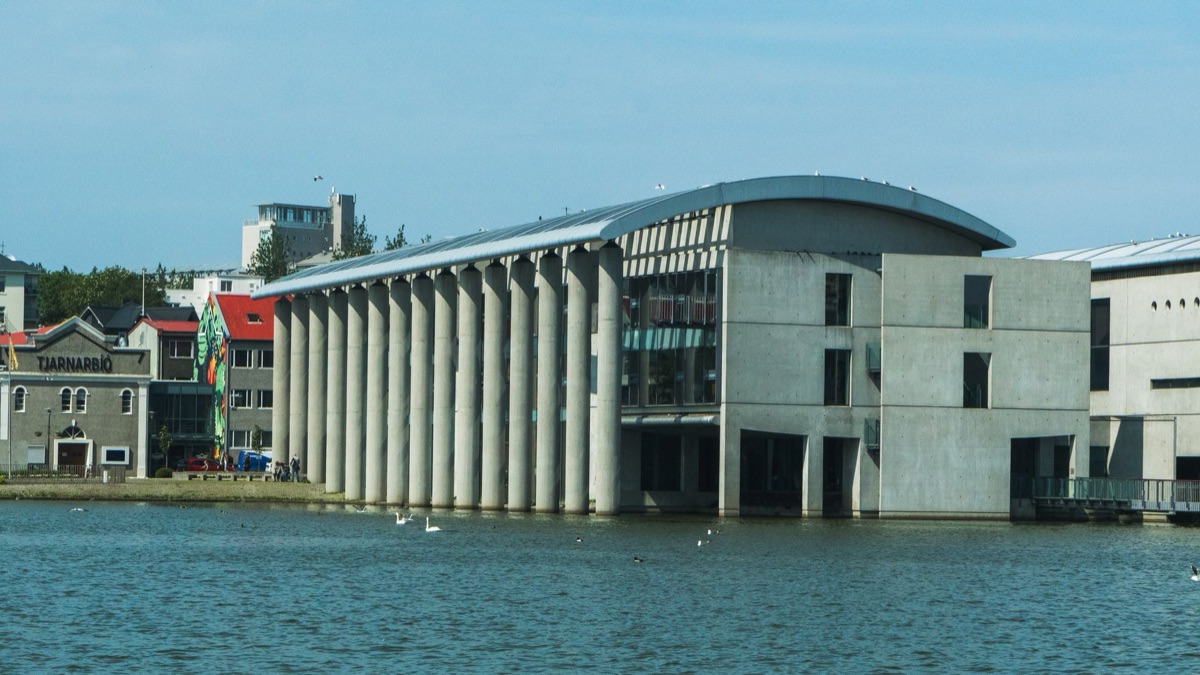
Navigating the Crisis: What happened during the collapse?
During the freezing autumn dusk, a sudden phone ring jolted the silent office, leaving a cold sweat on the listener's palms.
The sound of a ringing telephone in a government office in late 2008 signaled the beginning of a period of pure chaos.
In the autumn of that year, the collapse of major institutions like Glitnir sent shockwaves through the streets of Reykjavik, turning a period of wealth into one of sudden, sharp austerity.
The collapse forced the government into a series of brutal economic maneuvers. To combat the plummeting value of the króna and the runaway inflation that followed the banking failure, the Icelandic government took drastic action.
On 28 October 2008, the government raised interest rates to 18% to stabilize the currency, a move that was partially driven by the requirements of acquiring a loan from the International Monetary Fund (IMF).
This high-interest environment was a heavy burden on households, but it was a necessary, if painful, step to prevent total currency collapse. The transition from the pre-crisis era of easy credit to this era of extreme austerity marked a fundamental shift in how the nation managed its economy.
While the immediate aftermath was defined by struggle, the path to recovery required a complete reimagining of the national economic engine.
Tourism: How did a niche industry become a powerhouse?
A traveler stepping off a plane at Keflavík International Airport in the mid-2010s would have noticed a much different Iceland than the one known in the 1990s. The quiet, sleepy atmosphere of the past had been replaced by a bustling, international energy as the tourism sector began to boom.
This shift was not gradual; it was an explosion of interest. According to the Icelandic Tourist Board, the total number of overnight stays by foreign visitors to Iceland grew from 595,000 in 2000 to 2.1 million in 2010, before rising to 4.4 million in 2014.
This rapid growth transformed the economy, moving it away from a dangerous reliance on volatile financial markets and toward a more tangible, service-based industry.
The influx of visitors provided a vital source of foreign currency and created a massive workforce demand, making tourism a cornerstone of the modern GDP.
As the economy diversified, the focus shifted toward building a stable, knowledge-based society to support this new reality.
Beyond the Banks: What does modern society look like?
Walking through the streets of Akureyri, one sees a society that has moved far beyond the headlines of the 2008 financial crisis. The focus in the modern era has shifted toward education, research, and maintaining a high standard of living through diversified economic drivers.
According to a 2013 report by the European Commission, Iceland's spending on scientific research and development was 3.11% of its GDP. An OECD assessment found that 64% of Icelanders aged 25–64 have earned the equivalent of a high-school degree.
The current economic profile of Iceland reflects a successful, albeit complex, recovery. According to World Bank data, Iceland recorded a GDP per capita of US$98,323 in 2025, illustrating the significant wealth generated by its current economic model.
This prosperity is supported by a focus on human capital and innovation. For instance, a 2013 Eurostat report by the European Commission noted that Iceland spends around 3.11% of its GDP on scientific research and development (R&D), which is over 1 percent higher than many of its peers.
However, the educational landscape also shows areas for growth; an OECD assessment found that 64% of Icelanders aged 25–64 have earned the equivalent of a high-school degree, which is lower than the OECD average of 73%.
This mix of high-value output and evolving educational levels defines the current social fabric of the nation.
Planning Your Journey: How do you navigate the current economy?
A traveler packing a suitcase for an Icelandic road trip today is stepping into a country that is both stable and incredibly dynamic.
The economic shifts of the past decade have directly influenced the infrastructure and accessibility of the country, making it a premier destination for global travelers.
When planning a visit, it is helpful to understand the scale of the industry you are entering. In 2020, during a period of global travel disruption, Iceland recorded 488,000 international tourist arrivals according to World Bank data.
While this was a significant dip compared to the peak years of the mid-2010s, it highlights the resilience of the sector.
For those planning a trip, the current economic drivers—such as high-quality infrastructure and a service-oriented economy—make the country highly accessible, though travelers should always budget for the premium costs associated with a high-GDP nation.
| Economic Indicator | Historical Context (Pre-Crisis/Growth) | Modern Context (Current/Recent) |
|---|---|---|
| Primary Driver | Banking & Finance | Tourism & Natural Resources |
| Interest Rate Environment | High volatility/emergency hikes | Stabilized/Market-driven |
| Visitor Volume | Niche/Low volume | Millions of annual arrivals |
| Focus | Rapid credit expansion | R&D and Human Capital |
Summary of Economic Evolution
- Credit Expansion: The era of massive, unregulated bank growth and overseas debt.
- Systemic Collapse: The sudden failure of the banking sector and the resulting currency crisis.
- Emergency Response: High interest rates and IMF intervention to stabilize the economy.
- Diversification: The rise of tourism as a primary economic pillar.
- Modern Stability: A high-income economy focused on R&D and service industries.
#
FAQ
아이슬란드가 금융 위기 전에 어떤 상태였나요?
아이슬란드 정부가 금융 위기에 대응하기 위해 어떤 조치를 취했나요?
아이슬란드가 현재 경제적으로 회복한 주요 요인은 무엇인가요?
Related posts
IMF Intervention: 18% Rates and the Strain on Foreign Funds
Iceland Winter: Pursuing the Aurora Beyond Tourist Crowds
Iceland in July: Unlock 24 Hours of Golden Daylight
Iceland Residency: Beyond Tourist Visits After 1 Month
Popular posts
7 Days in Iceland: See Glaciers, Aurora, and Hot Springs
80s Onward: Björk Fuses Vocals with Experimental Soundscapes
82% State Funding Supports Symphony's Cultural Journey
Comments 0