Ring Road: Your Ultimate 14-Day Iceland Adventure Guide
Unlock the raw, untamed majesty of Iceland by navigating the Ring Road—the ultimate journey through geological extremes.
The Ring Road, or Route 1, is the lifeline of Iceland, a continuous loop that connects the country's most dramatic landscapes. Whether you are chasing the midnight sun or the aurora borealis, this road is your gateway to ice, fire, and everything in between.
* The Ring Road (Route 1) is the backbone of Iceland's accessible natural wonders, offering diverse experiences depending on the season. * Successful planning requires matching your itinerary length (7-day vs. 14-day) to the desired depth of exploration. * Logistics (rental, camping, booking) must be managed proactively, especially during peak summer months (June–August). * The journey is as much about the driving experience as it is about the geothermal, glacial, and volcanic landscapes.
Why Drive the Ring Road? Mapping Your Icelandic Adventure
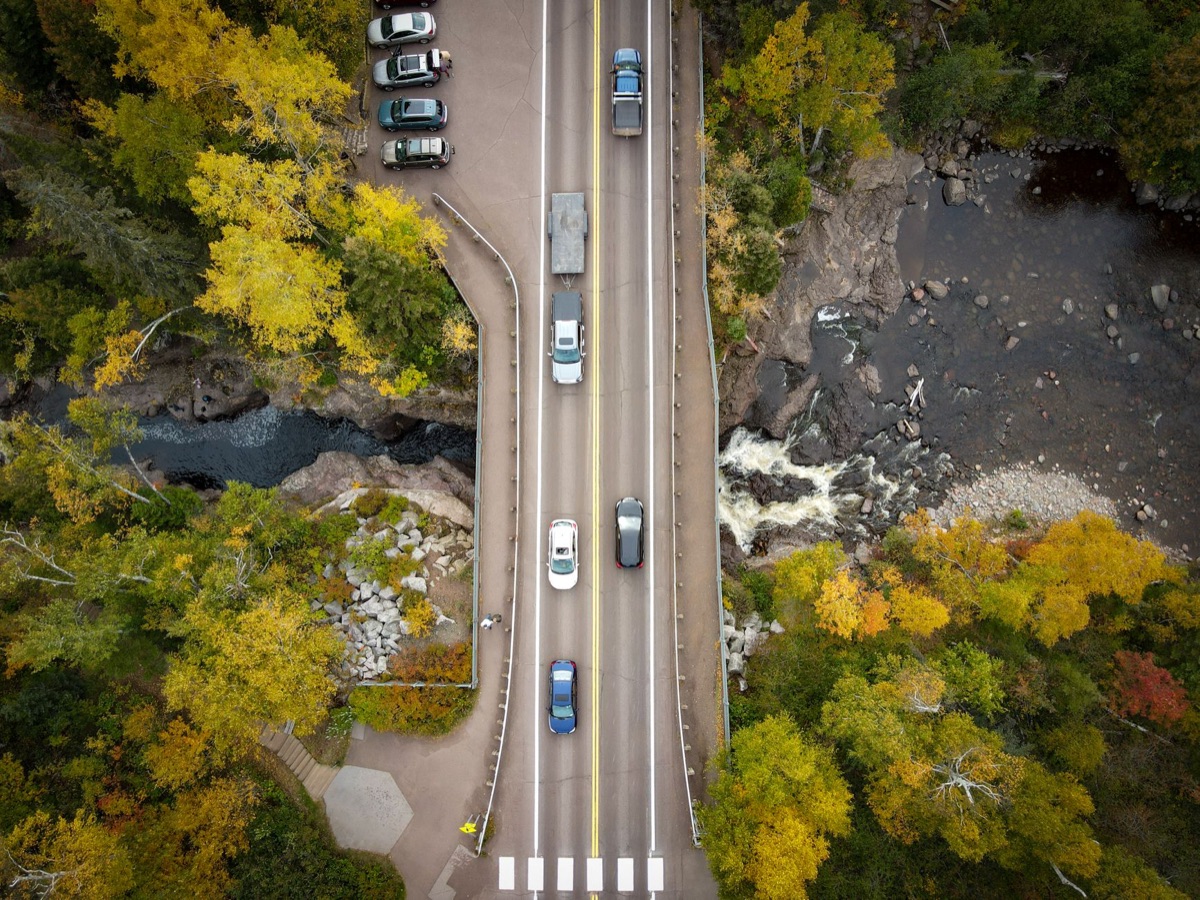
The smell of sulfur hangs heavy in the air near a steaming vent as you pull your rental car onto the asphalt of Route 1. In the distance, a massive glacier meets the dark Atlantic, and you realize the road ahead is more than just a path; it is a transition through worlds.
The Ring Road is a roughly 1,378 km (about 856 miles) circuit that circles the entire island. It serves as the primary access point to the country's unique ecosystems, connecting the capital of Reykjavík to the remote fjords of the east and the volcanic plains of the north.
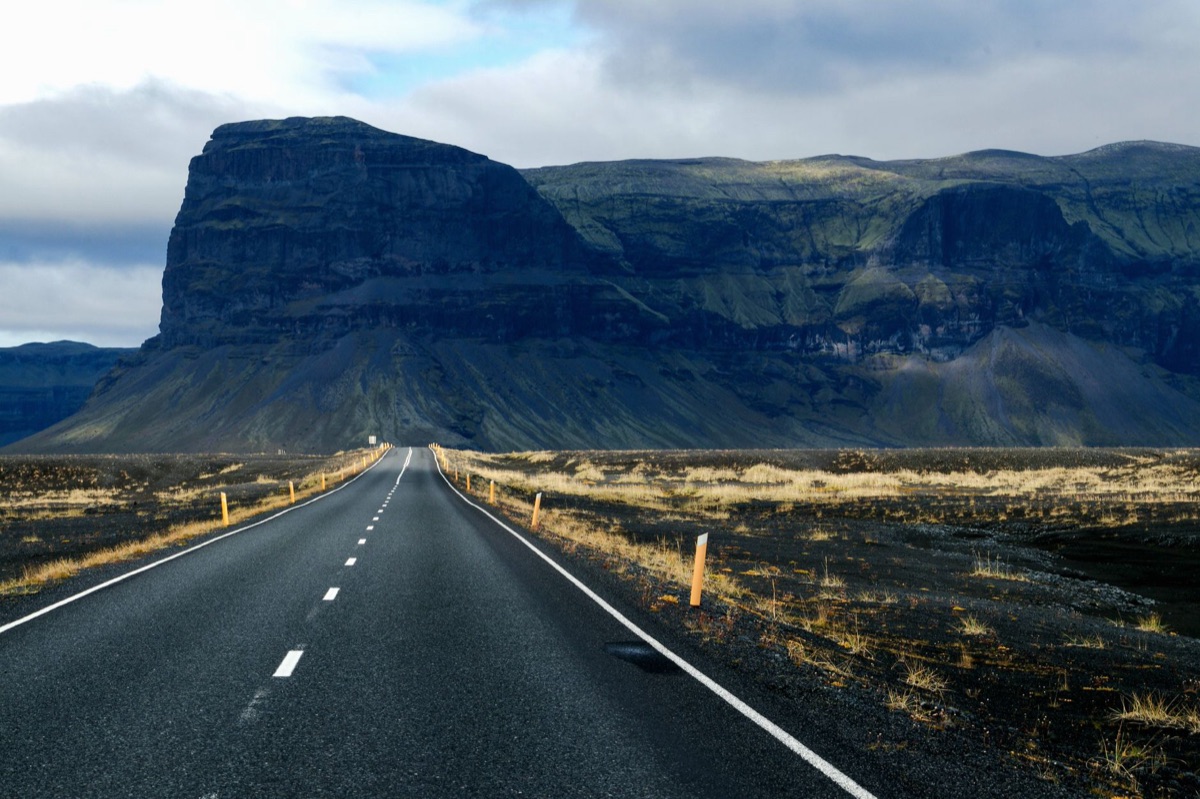
Because the road follows the coastline, it provides a constant, changing backdrop of basalt cliffs, black sand beaches, and massive ice caps.
Seasonal variations change the very nature of the drive. In the summer of 2026, the road is a clear, well-maintained passage through lush green valleys.
In deep winter, however, the journey transforms into a rugged test of endurance, with ice-covered surfaces and sudden closures due to heavy snow or high winds.
When planning your trip, you must decide on your pacing. A 7-day itinerary allows you to see the highlights of the South and West, but you will likely miss the remote beauty of the North and East.
An immersive 14-day itinerary is the gold standard for a full loop, allowing you to actually stop and breathe in the scenery rather than just seeing it through a windshield.
This entire journey is underpinned by intense geological activity, where the North American and Eurasian tectonic plates are slowly pulling apart, creating the very terrain you are driving over. But how do you actually navigate these changing landscapes without getting lost in the scale of it all?
Navigating the Wonders: Must-See Natural Highlights Along Route 1
A fine mist from a massive waterfall hits your face, cooling you instantly as you stand at the edge of a canyon. The roar of the water is so loud you can feel it in your chest, a reminder of the sheer power of the Icelandic landscape.
While the Ring Road is the main artery, many of the most famous sights are located just off the highway. The Golden Circle is a classic starting point, featuring the mighty Gullfoss waterfall, the rift valley of Þingvellir National Park, and the bubbling geothermal activity of the Geysir area.
For the best experience, visit these spots in the early morning to avoid the largest tour buses.
As you move toward the South Coast, the scale of the landscape shifts. You will encounter the towering Skógafoss and the veil-like Seljalandsfoss, where you can actually walk behind the falling water.
Further east, the Jökulsárlón Glacier Lagoon offers a surreal sight of icebergs drifting toward the sea. Taking a Zodiac boat tour through the lagoon is a transformative way to experience the ice up close.
| Feature | Best Season | Key Activity |
|---|---|---|
| Golden Circle | Summer/Year-round | Walking through tectonic rifts |
| South Coast | Summer/Autumn | Waterfall photography |
| Glacier Lagoon | Winter/Spring | Iceberg photography & boat tours |
| Northern Fjords | Summer | Coastal driving & bird watching |
For those traveling in winter, the strategy shifts toward aurora chasing. To maximize your chances of seeing the Northern Lights, you need clear skies and high solar activity.
Keep an eye on local weather forecasts and aurora apps, but remember that the best viewing often happens far from the light pollution of small towns.
But knowing where to go is only half the battle; the real challenge lies in the logistics of the road itself.
Logistics Mastery: Making Your Road Trip Seamless
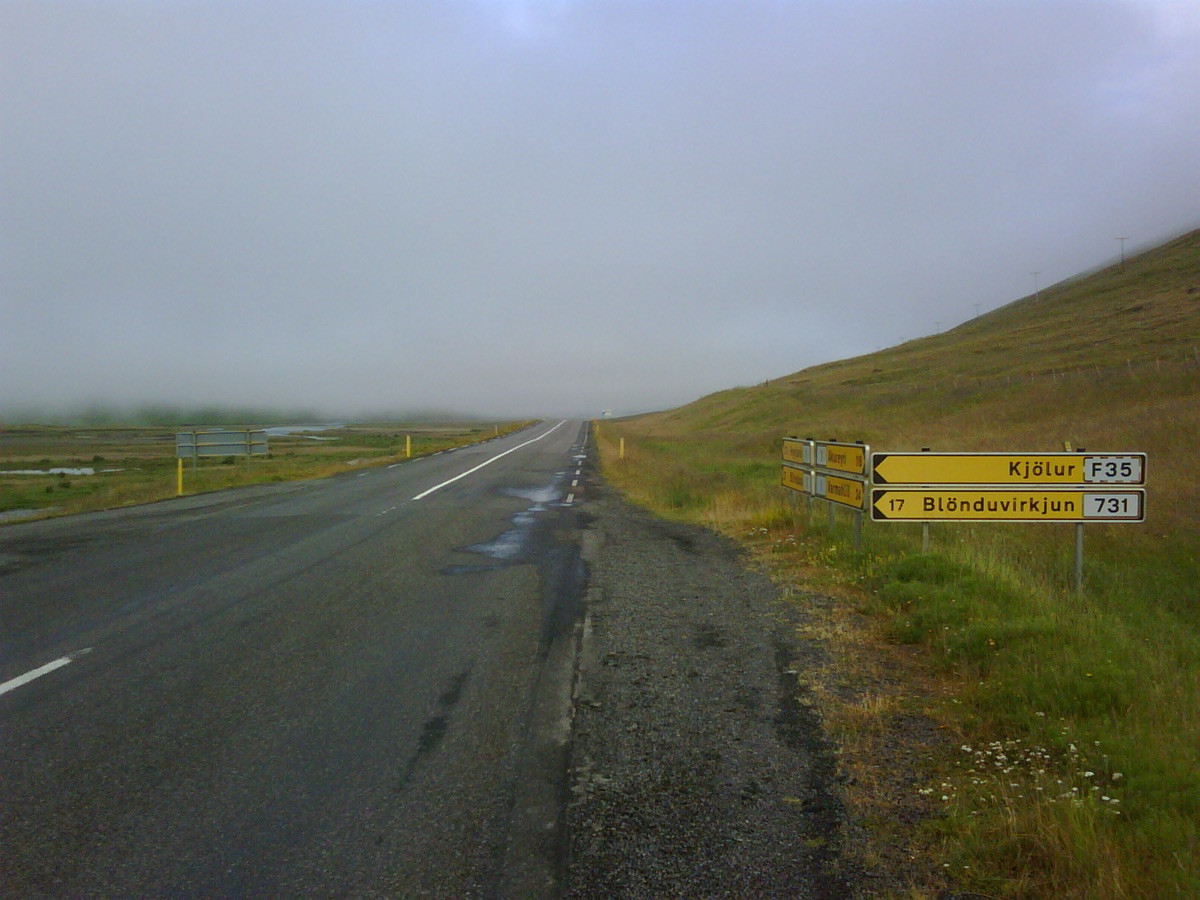
You sit in the driver's seat of a sturdy 4x4, checking the fuel gauge and the weather app one last time before heading into the wind. The road ahead is empty, but the clouds are gathering quickly over the mountains.
Choosing the right vehicle is the most critical logistical decision you will make. While a standard car is sufficient for the Ring Road in summer, a 4x4 is highly recommended if you plan to explore gravel side roads or travel during the shoulder seasons.
A 4x4 provides better stability in wind and more confidence on icy patches.
Accommodation options vary wildly. In the summer of 2026, you might choose pre-booked hotels in towns like Vík or Höfn, but you can also opt for self-sufficiency through camping or caravanning. In the shoulder seasons, cozy guesthouses offer a more personal touch.
Always remember that in remote areas, gas stations and grocery stores can be far apart; never let your tank drop below half.
Budgeting requires a realistic look at both fixed and variable costs. A rental car and accommodation will be your largest fixed expenses, while fuel, food, and activities like glacier hikes will fluctuate.
In Iceland, food can be expensive, so many travelers balance restaurant meals with shopping at local markets.
Safety is non-negotiable. Icelandic weather is notoriously unpredictable and can change in minutes. Always respect local road warnings, check road.is for real-time closures, and never attempt to drive through flooded rivers or during heavy snowstorms unless you are an experienced off-road driver.
When I first attempted this loop in late 2025, I learned the hard way that a single missed weather update can turn a beautiful drive into a dangerous standstill. The problem is, how do you actually prepare for the sheer variety of the journey?
Beyond the Drive: Deepening Your Icelandic Immersion
You sit in a small, steaming outdoor pool in a quiet village, the smell of woodsmoke drifting from a nearby house. The conversation around you is quiet, and the only sound is the gentle splash of water against the stone.
To truly experience Iceland, you must step away from the main tourist circuit. Integrating stops in small fishing villages, such as those in the Eastfjords, offers a glimpse into authentic Icelandic life.
Visiting local "hot pots"—small, community-run geothermal pools—is a quintessential local experience that is much more intimate than the large commercial spas.
The culture is deeply tied to the land. You will find that folklore, particularly stories of the "Hidden People" or Elves, still influences how people interact with the landscape.
The country's reliance on geothermal energy is also a constant, visible reminder of how the people have adapted to their volcanic environment.
For those staying longer, such as those on a "workation," the slow travel approach is best. This means spending more time in one region rather than rushing through the loop. In terms of dining, look for regional specialties like fresh Arctic char or traditional lamb soup.
While tourist-heavy areas have many options, the best meals are often found in small-town cafes or by utilizing high-quality ingredients from local grocery stores to cook your own meals. But before you can enjoy the food, you need a solid plan in place.
Planning Checklist: Before You Go (The Pre-Departure Phase)
A thick folder of maps and a packed suitcase sit by the door, the excitement of the upcoming journey making it hard to sleep. The countdown to the first sunrise in the North has officially begun.
- Check Passport Validity: Ensure your passport is valid for at least six months beyond your planned departure.
- Book Rental Car in Advance: High-quality 4x4 vehicles sell out months in advance for the summer season.
- Layer Your Clothing: Pack waterproof outer layers, thermal base layers, and sturdy hiking boots.
- Download Offline Maps: Cell service can be spotty in the fjords and highlands; having offline maps is a safety essential.
- Plan Your Season: Decide between the long days of summer (June–August) or the aurora-friendly winter (September–March).
#
FAQ
아이슬란드 링 로드(Ring Road)는 어떤 경로인가요?
아이슬란드 여행 시 7일과 14일 일정의 차이는 무엇인가요?
링 로드 여행을 계획할 때 가장 중요한 준비 사항은 무엇인가요?
Related posts
IMF Intervention: 18% Rates and the Strain on Foreign Funds

High Interest Rates Stabilized Iceland Post-Banking Failure
Iceland Winter: Pursuing the Aurora Beyond Tourist Crowds
Iceland in July: Unlock 24 Hours of Golden Daylight
Popular posts
7 Days in Iceland: See Glaciers, Aurora, and Hot Springs

80s Onward: Björk Fuses Vocals with Experimental Soundscapes

82% State Funding Supports Symphony's Cultural Journey

Comments 0