Aurora Chasing: Optimal Timing for Your Icelandic Sky Hunt
"The sky doesn't follow a schedule, it follows the sun."
If you are staring at a dark Icelandic sky hoping for a green ribbon to dance across the stars, you aren't just looking for luck; you are looking for a specific alignment of solar physics and atmospheric clarity.
Success in Aurora chasing requires a blend of scientific understanding and tactical patience.
Key Takeaways * Aurora viewing success depends on solar activity levels, not just the presence of clouds. * Escaping the light pollution of Reykjavik is essential for high-contrast viewing. * Planning your logistics—specifically vehicle type and accommodation—is as vital as the weather forecast.
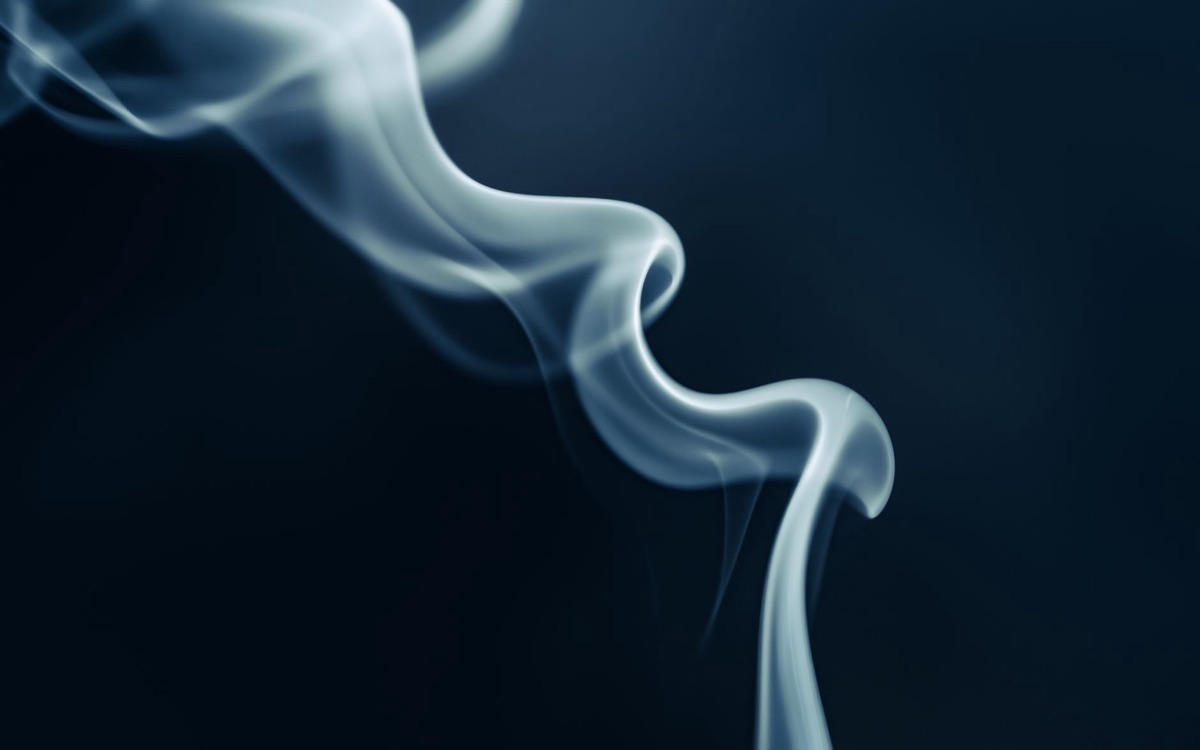
When is the best time to hunt the lights? The thermometer reads minus five degrees Celsius, and you are standing in a gravel turnout near Vík, breath blooming in white clouds before your eyes. You check your phone one last time, looking at a fluctuating Kp-index, wondering if the solar wind will actually arrive tonight.
The "Aurora Season" in Iceland officially spans from late August to mid-April, but the sweet spot is generally between September and March. During these months, the nights are sufficiently dark to allow the faint glow of a low-level geomagnetic storm to become visible to the naked eye.
While the equinoxes in September and March often bring heightened solar activity due to the tilt of the Earth's axis, the deep winter months of December and January offer the most consistent darkness.
However, do not confuse "season" with "guarantee." A high Kp-index—a measure of geomagnetic activity—indicates a strong solar storm, but even a massive solar event is useless if a thick blanket of Atlantic clouds covers the sky.
To maximize your chances, you must monitor both the geomagnetic forecast and local cloud cover maps. If the solar activity is high but the clouds are low, you may need to drive hundreds of miles to find a gap in the weather.
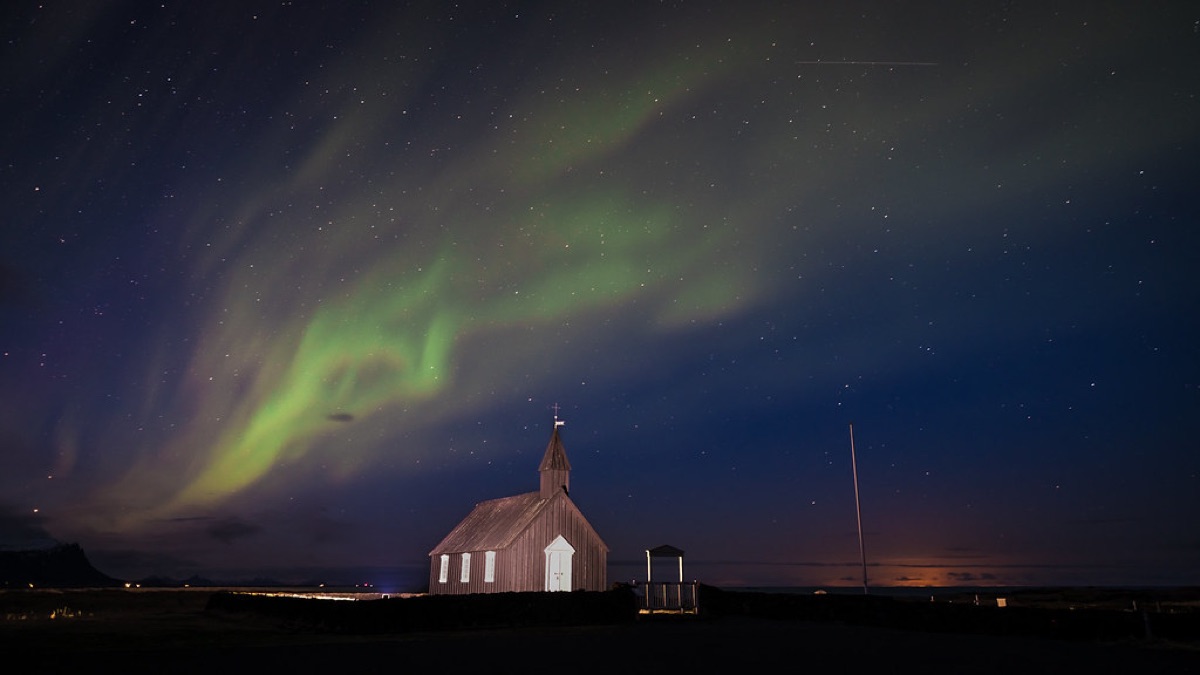
Where can I escape light pollution to see the aurora? The city lights of Reykjavik shimmer in the distance, a warm orange glow that makes the horizon look hazy. You turn the steering wheel, heading toward the darker expanses of the South Coast, where the silhouettes of mountains meet a pitch-black sky.
While you can technically see the Aurora from the capital, the light pollution significantly degrades the experience, washing out the delicate colors of a weaker display. To see the true spectrum—pinks, purples, and vibrant greens—you must seek out "dark sky" locations.
The South Coast, particularly around the areas of Skógafoss and the Jökulsárlón glacier lagoon, offers dramatic foregrounds that make for incredible photography.
Moving toward the Snaefellsnes Peninsula or even further north toward Akureyri provides even darker skies and a higher probability of success.
The logistical challenge is that these remote areas require more preparation; you are trading the convenience of city amenities for the clarity of the cosmos.
Beyond the Lights: Planning Your Aurora Road Trip
The rental car's tires crunch over a patch of black ice, and you feel the slight shudder of the chassis as you navigate a narrow fjord road. You check your extra sleeping bag and the thermos of hot coffee, knowing that tonight's hunt might take several hours of waiting in the cold.
Chasing the Aurora is a mobile endeavor. Because weather patterns in Iceland change in minutes, you cannot stay stationary. A reliable, 4WD rental vehicle is almost non-existent luxury; it is a necessity for accessing remote viewing spots safely during the winter months.
Your vehicle should be equipped with proper winter tires and enough fuel to keep the heater running during long periods of stationary observation.
When booking accommodations, look for boutique hotels or guesthouses located away from major towns. Many Icelandic hotels are designed with large windows specifically for Aurora viewing, allowing you to wake up to a green sky without leaving your room.
Combining your hunt with daytime activities—like visiting glaciers or geothermal lagoons—ensures that even if the sky is cloudy one night, your trip remains a success.
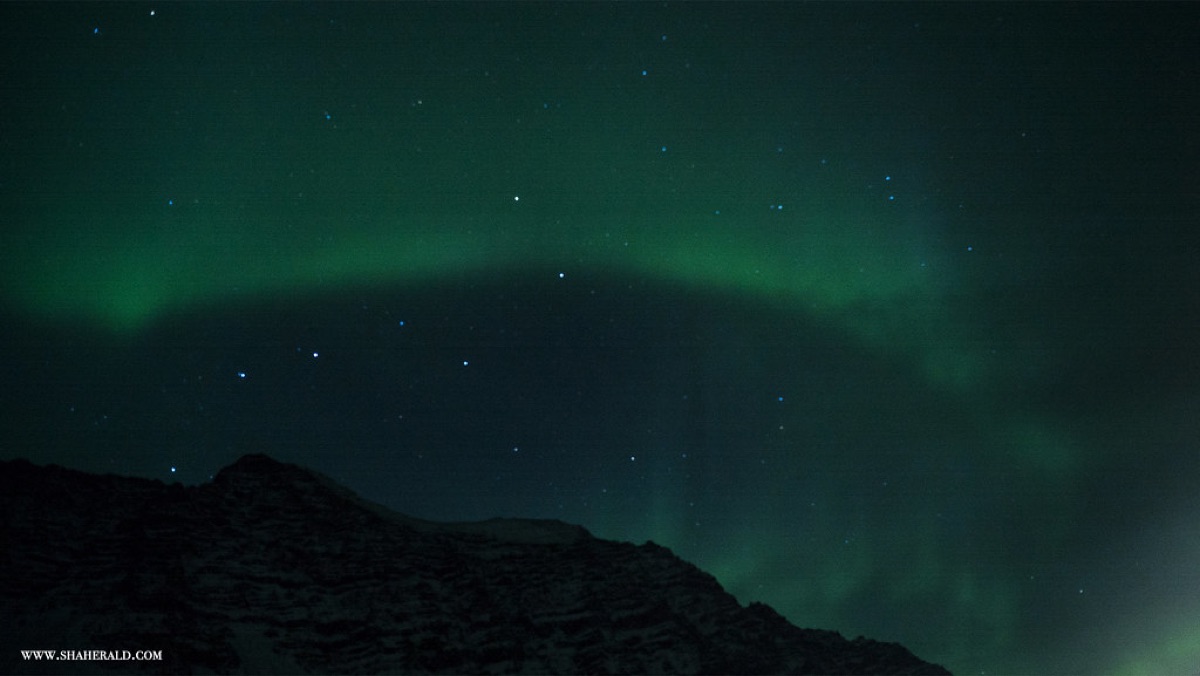
Maximizing Your Visit: Beyond the Aurora
The steam from a natural hot spring rises to meet the cold air, creating a veil of mist that smells of sulfur and earth. You sit on a heated stone, looking up at the vast, empty landscape that feels both ancient and alive.
While the Aurora is a primary draw, Iceland is a land of profound geological activity that operates regardless of the solar cycle. The country's identity is built on these natural forces, which have shaped its economy and culture for centuries.
The scale of tourism in Iceland has shifted significantly over recent decades. For example, the number of foreign visitors exceeded 2,000,000 for the first time in 2017, reflecting a massive surge in global interest in the island's unique landscapes.
This growth has put pressure on local infrastructure, but it also means that amenities for travelers are more widely available than in many other remote regions.
Iceland's development is heavily influenced by its natural resources.
The nation's commitment to scientific research and development is notable; according to a 2013 Eurostat report by the European Commission, Iceland spends around 3.11% of its GDP on scientific research and development (R&D), which was over 1 percentage point higher than the EU average of 2.03% at that time.
This focus on science often translates to better meteorological and geological monitoring, which benefits both locals and travelers.
The influx of visitors also intersects with the well-being of the local population. Icelanders are known for their high quality of life; historically, 77% of the population has reported being in good health, which is higher than the OECD average of 68%.
This sense of wellness is often tied to the country's clean environment and active lifestyle.
| Feature | Urban Viewing (Reykjavik) | Remote Viewing (South/North Coast) |
|---|---|---|
| Light Pollution | High (reduces color contrast) | Low (crystal clear skies) |
| Accessibility | Easy (hotels, restaurants) | Moderate (requires 4WD/planning) |
| Photography | Difficult to capture faint lights | Ideal for long-exposure shots |
| Weather Risk | Low (easy to return to warmth) | High (requires self-sufficiency) |
Troubleshooting: When the Sky Says No
The wind howls against the window of your guesthouse, and the forecast shows a solid wall of gray clouds stretching from the coast to the highlands. You look at your itinerary, realizing that the "perfect" night you planned for is looking increasingly unlikely.
It is vital to have a contingency plan. If the Aurora forecast is poor or the clouds are impenetrable, do not view it as a failed trip.
Iceland offers incredible alternatives: exploring ice caves, walking behind massive waterfalls like Seljalandsfoss, or soaking in the Blue Lagoon or Myvatn Nature Baths.
Flexibility is your greatest asset. If the weather is bad in the South, check the forecast for the North. If the clouds are thick in one fjord, a drive to the next might reveal a clear patch.
Use the limited daylight hours of the winter to explore the landscape, and save your late-night energy for when the sky finally clears.
The Ultimate Aurora Hunter's Checklist
To ensure you are prepared for the unpredictable Icelandic elements, follow this structured approach:
- Monitor the Forecasts: Check the Icelandic Meteorological Office website daily for both cloud cover and geomagnetic activity (Kp-index).
- Prepare the Vehicle: Ensure you have a 4WD vehicle with studded winter tires and at least a half-tank of fuel at all times.
- Layer Your Clothing: Wear a moisture-wicking base layer, an insulating middle layer (fleece or wool), and a waterproof/windproof outer shell.
- Pack Photography Gear: Bring a sturdy tripod, extra batteries (which drain faster in the cold), and high-ISO capable cameras.
- Stay Mobile: Do not settle for one location; if the clouds move in, be prepared to drive to a different coastal region immediately.
#
FAQ
아이슬란드에서 오로라를 관측하기 가장 좋은 시기는 언제인가요?
오로라 관측 성공을 위해 가장 중요한 요소는 무엇인가요?
오로라를 제대로 보려면 어디로 가야 하나요?
Related posts
IMF Intervention: 18% Rates and the Strain on Foreign Funds
High Interest Rates Stabilized Iceland Post-Banking Failure
Iceland Winter: Pursuing the Aurora Beyond Tourist Crowds
Iceland in July: Unlock 24 Hours of Golden Daylight
Popular posts
7 Days in Iceland: See Glaciers, Aurora, and Hot Springs
80s Onward: Björk Fuses Vocals with Experimental Soundscapes
82% State Funding Supports Symphony's Cultural Journey
Comments 0