Icelandic Music: Global Sound from Volcanic Shores
"The wind doesn't just blow in Iceland; it composes."
Icelandic music has traveled from the isolated fjords to the global stage, carrying the weight of glaciers and the heat of volcanoes in every note. It is a soundscape born of necessity, isolation, and a profound connection to a landscape that feels alive.
* The extreme natural environment acts as a primary architect of the Icelandic musical temperament. * Reykjavík serves as a concentrated incubator where folklore and modern technology collide. * Icelandic artists have achieved global influence by translating their unique isolation into a universal sonic language. * The nation's relationship with renewable energy mirrors the pure, elemental energy found in its creative output.

From Volcanic Soil to Sonic Soundwaves: Why does it sound so vast?
The rain lashed against the window of a small studio in a remote village in 2025, the sound of the North Atlantic drumming a rhythm that felt older than time itself.
I remember sitting in a tiny rental in Akureyri, watching the snow pile up against the glass, feeling that heavy, hollow silence that seems to define the North.
In these moments of isolation, the silence of the Icelandic wilderness becomes a presence, a heavy weight that artists must either fight or harmonize with.
The genesis of the Icelandic sound lies in this tension between extreme solitude and the overwhelming presence of nature. For centuries, the storytelling traditions of the Sagas and local folklore provided a narrative structure that was both intimate and epic.
This heritage created a mental framework where music was never just entertainment; it was a way to process the vastness of the world.
As the country transitioned from a rural, agrarian society to a modern technological hub by 2026, these traditional elements didn't disappear; they evolved.
The transition from acoustic, folk-based storytelling to amplified, experimental genres happened because the artists carried that same sense of "space" into their new tools.
The vastness of a glacier became the reverb of a synthesizer; the crackle of volcanic earth became the glitch of an electronic beat. This shift allowed a small nation to produce a sound that feels both ancient and futuristic, making it instantly recognizable on a global scale.
But how does a tiny population manage to dominate global airwaves?
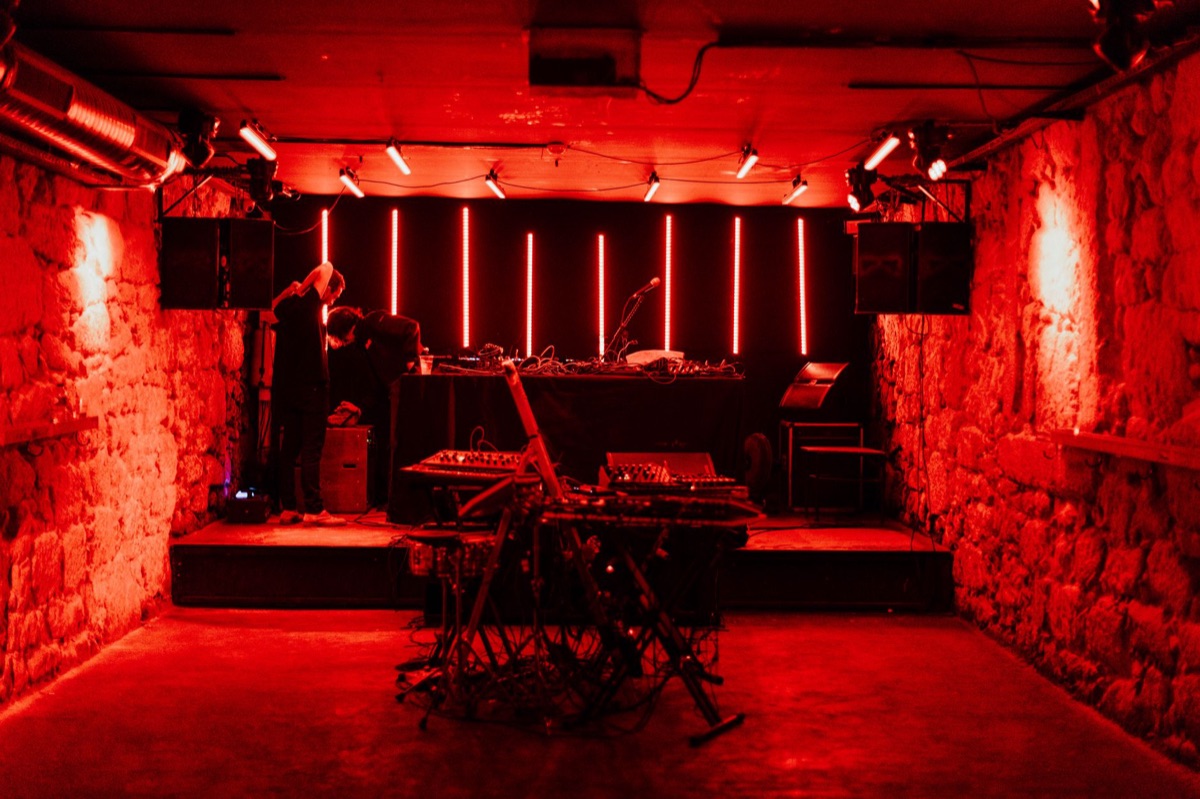
How did Reykjavík become the crucible of global sound? Walking down Laugavegur in the heart of Reykjavík on a Tuesday afternoon in 2026, the smell of roasted coffee mixes with the sharp, salty breeze coming off the harbor.
A street performer's violin melody cuts through the chatter of tourists, sounding hauntingly different from the pop songs playing in a nearby cafe.
Reykjavík is much more than a capital city; it is a concentrated crucible of creativity. Because the population is relatively small, the artistic community is intensely interconnected. In this city, a drummer might collaborate with a visual artist, a poet, and a producer all in the same week.
This density fosters a unique kind of cross-pollination where genres blend seamlessly.
The city acts as a nexus where global trends arrive and are immediately filtered through the Icelandic lens. While the world sends its influences to the capital, the local scene processes them through a filter of deep national roots. This prevents the music from becoming mere imitation.
Instead, it becomes something new—a hybrid of global pop sensibilities and the atmospheric depth of the North. The city's infrastructure, built on a foundation of stability and innovation, provides the perfect stage for this constant reinvention.
However, the transition from local hero to global icon is rarely a smooth path.
Echoes Abroad: Why does the world fall for this sound?
A crowded concert hall in London or Los Angeles falls silent as a single, ethereal voice begins to sing, a melody that feels like it was pulled from a frozen wasteland. The audience doesn't quite know why, but they feel a sudden, profound sense of melancholy and wonder.
Icelandic artists have carved out a significant global footprint by leaning into their "otherness" rather than hiding it. From sweeping cinematic scores to avant-garde electronic pop, their work often captures a sense of vastness that is difficult to replicate.
They have mastered the art of maintaining cultural authenticity while achieving mainstream visibility.
The challenge for these artists is often the "one-note" trap—the risk of being pigeonholed as merely "the atmospheric Icelandic band." However, the most successful creators have avoided this by diversifying their output. They use their unique cultural background as a foundation, not a limitation.
For the modern traveler or resident, witnessing this transition—from a local artist in a Reykjavík basement to a global icon—is a testament to the power of a specific, authentic voice.
But there is a deeper, more physical reason behind this creative intensity.
The Elemental Parallel: Is there a link between energy and art?
The hum of a geothermal power plant in the distance provides a low-frequency drone that seems to vibrate in the very bones of anyone standing nearby. It is a constant reminder that the earth beneath your feet is a living, breathing engine of energy.
There is a striking parallel between Iceland's physical reality and its creative energy. The nation is a leader in sustainable living, with 99.9% of its electricity being generated from renewables as of 2026.
This reliance on the earth's internal heat and the movement of water is not just a matter of policy; it is a way of life. This constant, reliable flow of energy mirrors the sustained intensity required for profound artistic creation.
The metaphors are everywhere. The Aurora Borealis, with its shifting, unpredictable light, reflects the mercurial nature of musical inspiration. The deep quiet of a snow-covered lava field reflects the minimalism found in many Icelandic compositions.
Just as the country harnesses the violent energy of volcanoes and the steady force of waterfalls to power its homes, its artists harness the emotional extremes of their environment to power their art. This relationship between the elemental and the intellectual is the heartbeat of the nation.
So, how do you actually experience this for yourself?
Navigating the Soundscape: A Modern Traveler's Guide to Icelandic Culture
A traveler stands at the edge of a massive waterfall on the South Coast, the mist soaking their jacket, as they put on headphones to listen to a local ambient track. For a moment, the sound in their ears and the sight before their eyes become indistinguishable.
To truly experience Icelandic culture, one must look beyond the curated tourist shows. While there are many performances designed for visitors, the real soul of the music is found in the local venues and the connection between sound and place.
| Type of Experience | Best For | Where to Find It |
|---|---|---|
| Live Club Sets | High energy, modern pop/electronic | Reykjavík (Downtown) |
| Experimental/Avant-Garde | Deep immersion, unique textures | Small galleries & pop-up venues |
| Classical/Choral | Traditional roots, emotional depth | Harpa Concert Hall |
| Outdoor/Festival | Community connection, seasonal energy | Summer festivals in various towns |
To engage deeply with the culture, follow these steps:
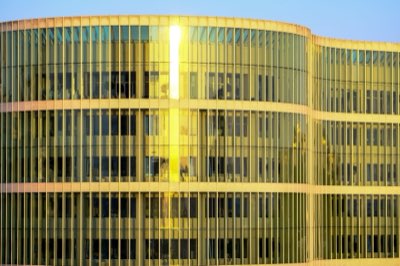
- Visit Harpa: Spend an afternoon in the Reykjavík harbor at the Harpa Concert Hall to see how architecture and acoustics meet.
- Explore the South Coast: Travel to the waterfalls or black sand beaches and listen to ambient Icelandic artists to see how the landscape influences the sound.
- Seek Small Venues: Look for local listings in Reykjavík for small-scale shows in cafes or community spaces to witness the "incubator" effect firsthand.
- Listen to the Silence: Spend time in the remote regions to understand the "quiet" that informs the music.
#
FAQ
아이슬란드 음악의 독특한 사운드는 어디에서 비롯되었나요?
아이슬란드 음악이 전 세계적으로 주목받게 된 계기는 무엇인가요?
아이슬란드 음악의 전통적인 요소들이 현대 음악으로 어떻게 계승되었나요?
Related posts
IMF Intervention: 18% Rates and the Strain on Foreign Funds

High Interest Rates Stabilized Iceland Post-Banking Failure
Iceland Winter: Pursuing the Aurora Beyond Tourist Crowds
Iceland in July: Unlock 24 Hours of Golden Daylight
Popular posts
7 Days in Iceland: See Glaciers, Aurora, and Hot Springs
80s Onward: Björk Fuses Vocals with Experimental Soundscapes
82% State Funding Supports Symphony's Cultural Journey
Comments 0