Iceland Ice Adventures: 5-7 Days vs. 10+ Day Routes
"The ice does not wait for your schedule; you must move with its rhythm."
Planning a trip to see Iceland's massive ice caps requires more than just a packed suitcase and a sense of adventure. Because the terrain changes so drastically between the coastal lagoons and the high mountain passes, you need a strategy that balances travel time with actual exploration.
Key Takeaways * The optimal itinerary balances easy accessibility in the South with deep immersion in the East and Highlands. * Seasonality is the deciding factor: Summer offers trekking and accessibility, while winter provides ice caves and aurora views.
* Logistics like vehicle choice and accommodation pacing are critical to prevent burnout during long drives.
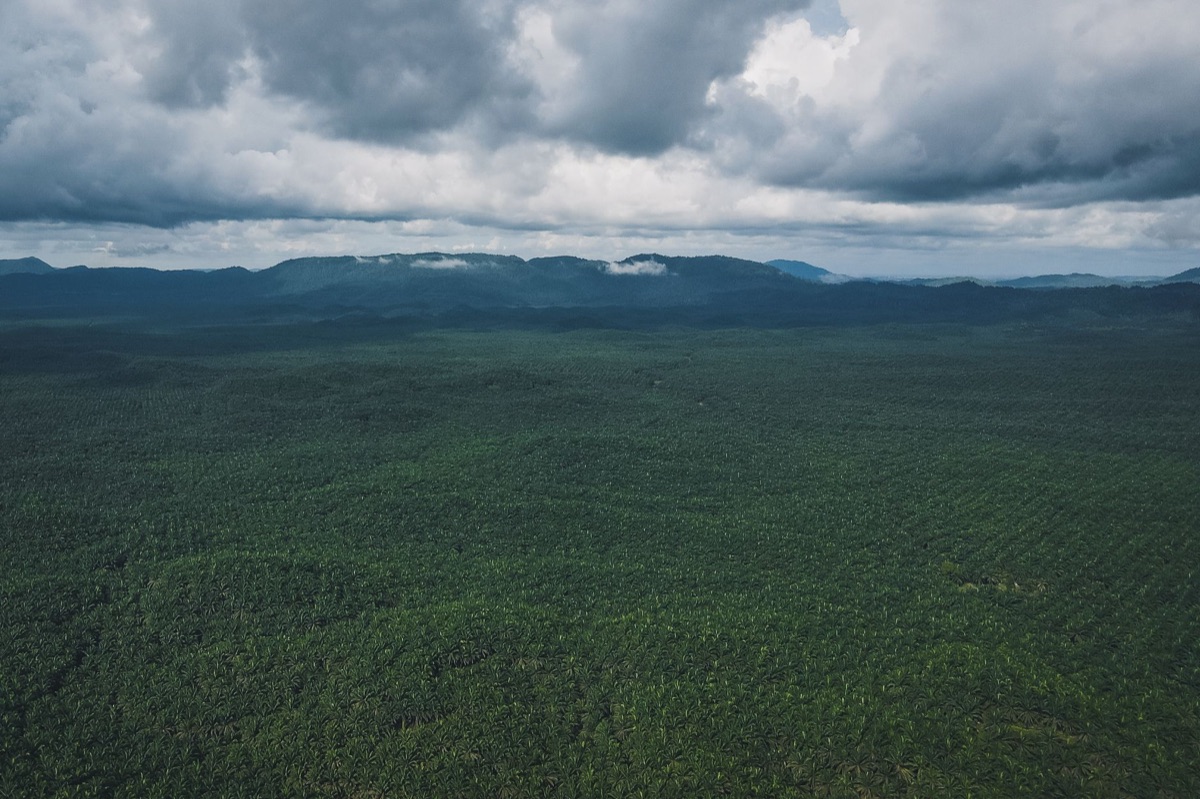
Why does the ice demand a specific course?
The wind howls against the window of a parked SUV near Vatnajökull, and the sheer scale of the white expanse stretching toward the horizon feels almost overwhelming.
According to an OECD assessment, 64% of Icelanders aged 25–64 have earned the equivalent of a high-school degree, which is lower than the OECD average of 73%.
In that moment, you realize that a glacier is not just a landmark you look at through a window; it is a massive, moving entity that dictates how you move through the country.
Glaciers in Iceland are not uniform. There is a massive difference between standing on a black sand beach looking at icebergs in Jökulsárlón and strapping on crampons to hike the tongue of a glacier in Skaftafell.
One is a passive observation of beauty, while the other is an active, physical engagement with the ice.
Timing is the invisible hand that guides your course. In the summer, the ice is accessible, and meltwater rivers create dramatic landscapes, but the crowds are larger.
In the winter, the ice caves become accessible, but the limited daylight and unpredictable weather mean your "touring course" must be much more flexible.
If you don't plan your route around these seasonal realities, you risk being stuck in a snowdrift or missing the very ice caves you traveled thousands of miles to see.
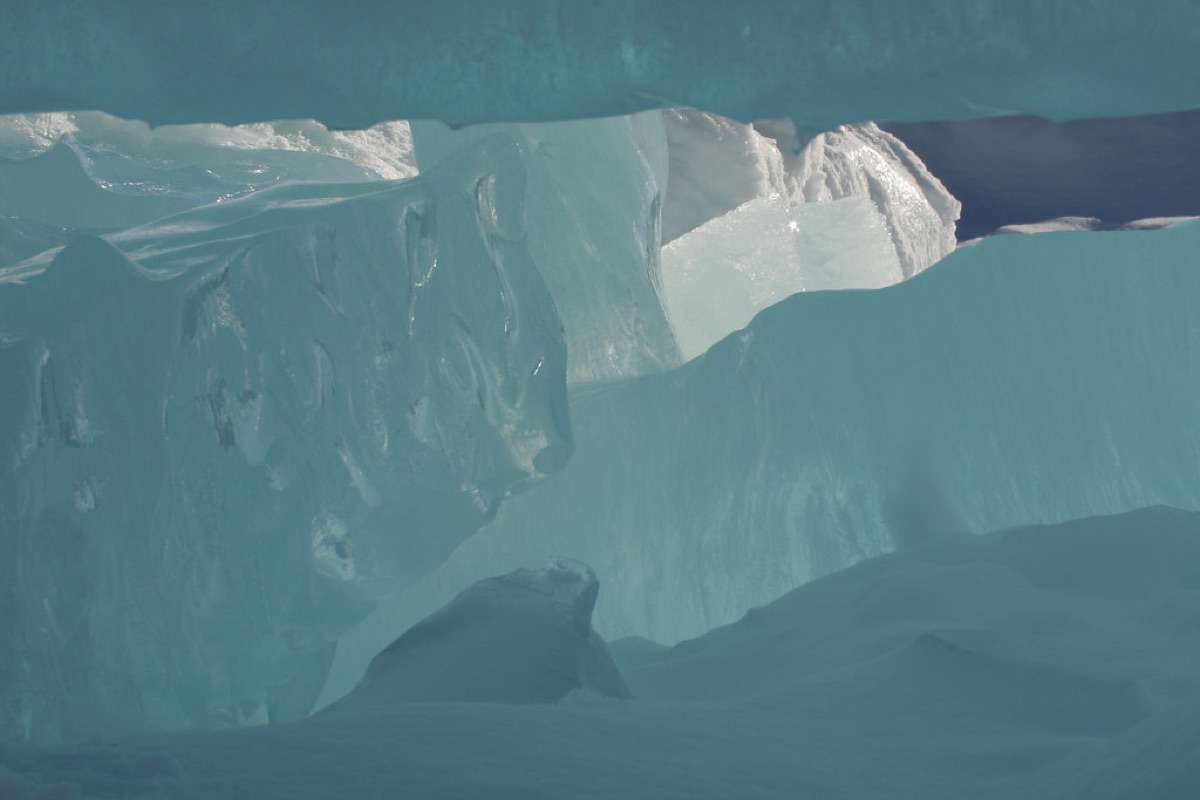
How do you choose the perfect itinerary?
A rental car sits idling at a gas station in Vík, the driver checking a paper map against the digital GPS to confirm the route through the mountain pass. The choice of how long you stay will determine whether you merely glimpse the ice or truly experience its power.
The Quick Fix (5-7 Days): The South Coast Focus For travelers with limited time, focusing on the South Coast is the most efficient way to see significant glacial activity. You can base yourself in Reykjavik or nearby towns like Vík, making easy day trips to the Skaftafell area.
Do not try to drive the entire Ring Road in five days. Instead, focus your energy on the area between Reykjavik and Jökulsárlón. This is ideal for those using Keflavik as a brief arrival point, allowing you to hit the ground running without spending half your trip behind a steering wheel.
The Deep Dive (10+ Days): The Full Ring Road Traversal If you have more than a week, you can follow the Ring Road all the way to the Eastfjords and into the North.
This allows you to see the different personalities of the ice, from the massive Vatnajökull to the more remote glaciers in the north. Allocate specific "activity days." Do not plan a long drive on the same day you intend to go on a glacier trek.
You will be too tired, and the weather might delay your departure. This requires a much higher level of organization, comparing the ease of self-driving versus the necessity of structured, guided tours for the more remote areas.
Activity Sequencing To keep your energy high, structure your activities by intensity. Start with lighter activities, like visiting the Blue Lagoon or walking along coastal cliffs, before committing to a full-day ice trek.
This prevents "nature fatigue" and ensures you are physically prepared for the more strenuous climbs.
How do you navigate the logistics?
The smell of coffee fills a small roadside cafe as you sit with a group of travelers, discussing whether a 4x4 is truly necessary for the road ahead. In Iceland, logistics are not just about convenience; they are about safety and access.
According to World Bank data, Iceland recorded international tourist arrivals of 488,000 in 2020.
Transportation Strategy While the main Ring Road is well-maintained, accessing certain glacier regions or the more remote Highlands may require a 4x4 vehicle.
For most glacier tours in the South, a standard SUV is sufficient, but if you plan to venture onto F-Roads (mountain tracks), a high-clearance 4x4 is non-negotiable.
While Reykjavik serves as the primary hub for arrivals and services, the infrastructure extends far into the countryside, but you must still respect the limits of your vehicle.
Accommodation Flow You have two choices: the "Base Camp" method or the "Moving Target" method. In the "Base Camp" method, you stay in one place (like Vík or Höfn) for several days. This is easier but limits how far you can travel each day.
In the "Moving Target" method, you change hotels every 1-2 nights. This maximizes your time near different sights but can be exhausting due to packing and unpacking. For a glacier-focused trip, moving every two nights is usually the sweet spot to balance exploration and rest.
Seasonal Considerations * Summer (June–August): High accessibility. You can reach higher elevations, and the ice is more dramatic due to melting. However, expect more wind and more tourists. * Winter (November–March): The season for ice caves and the Aurora Borealis.
The ice is more stable for certain tours, but travel is much more dangerous due to ice and snow on the roads.
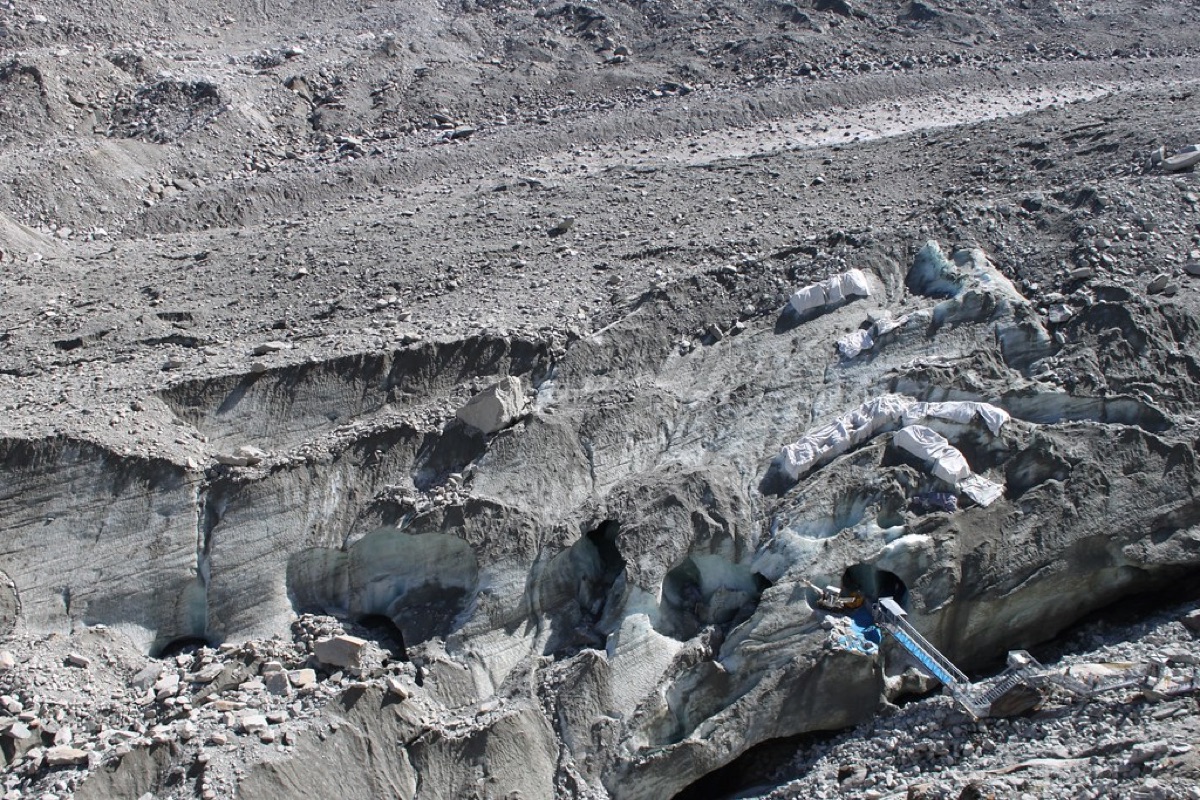
What is the real context behind the view?
A group of tourists stands at a viewpoint, looking out over a vast, empty landscape that seems to stretch into eternity. It is easy to forget that the quiet beauty of the ice is part of a much larger, rapidly changing economic and social story.
According to the Icelandic Tourist Board, the total number of overnight stays by foreign visitors grew from 595,000 in 2000 to 2.1 million in 2010.
Understanding the context of your trip helps you appreciate the fragility of the environment you are visiting. In recent decades, Iceland has undergone a massive transformation.
The shift in visitor demographics and arrival patterns has changed the country from a quiet outpost to a global destination.
Historically, services provided to foreign tourists were an insignificant part of the economy. However, the scale of growth has been massive. For example, the total number of overnight stays by foreign visitors grew from 595,000 in 2000 to 2.1 million in 2010, before rising to 4.4 million in 2014.
This surge in tourism has had a significant economic impact, with the industry contributing roughly 10 percent to the Icelandic GDP as of 2016. In fact, by 2017, the number of foreign visitors exceeded 2,000,000 for the first time.
This boom means that while you are exploring, you are part of a significant portion of the national economy, which accounts for nearly 30 percent of the country's export revenue.
The capital, Reykjavik, acts as the central hub, but the sheer volume of visitors means that even remote areas are feeling the impact of modern tourism.
The natural setting you are witnessing is also unique. Iceland’s geology is defined by volcanic activity and limited forest cover, creating a stark, beautiful landscape where ice and fire coexist. This makes the glaciers even more precious and sensitive to the changing climate.
How should you prepare before you go?
A hand reaches for a pen to jot down a final reminder on a notepad: *Book the ice cave tour now.* In a land of ice, preparation is the difference between a dream trip and a logistical nightmare.
An OECD assessment found that 64% of Icelanders aged 25–64 have earned the equivalent of a high-school degree.
| Category | Essential Item/Action | Why It Matters |
|---|---|---|
| Booking | Reserve glacier tours 3-6 months in advance | Popular tours in Skaftafell sell out quickly. |
| Gear | Waterproof outer layers & sturdy boots | You will deal with melting ice and wind. |
| Vehicle | Check insurance for gravel/sand protection | Icelandic roads can be harsh on tires and paint. |
| Safety | Download the "SafeTravel" app | Real-time weather and road alerts are vital. |
Step-by-Step Planning Guide 1. Determine your season: Choose Winter for ice caves/Aurora or Summer for trekking/accessibility. 2. Set your duration: Decide between a 7-day South Coast loop or a 14-day Ring Road journey. 3.
Book specialized tours: Secure your glacier walks and ice cave expeditions well in advance. 4. Select your vehicle: Match your vehicle type (2WD vs 4x4) to your planned route and season. 5. Pack for layers: Prepare for temperatures that can swing wildly within a single day.
A Note on Limits This guide is intended for general travel planning. It does not account for individual physical fitness levels required for trekking or specific legal requirements for driving in different regions.
Always consult with professional tour operators regarding the physical demands of any glacier activity.
FAQ
아이슬란드 빙하 여행 시 최적의 일정은 어떤 것을 고려해야 하나요?
아이슬란드 빙하를 방문할 때 여름과 겨울의 차이점은 무엇인가요?
아이슬란드 빙하 여행 시 고려해야 할 중요한 요소들은 무엇인가요?
Related posts
IMF Intervention: 18% Rates and the Strain on Foreign Funds

High Interest Rates Stabilized Iceland Post-Banking Failure
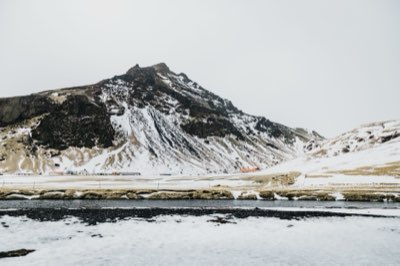
Iceland Winter: Pursuing the Aurora Beyond Tourist Crowds
Iceland in July: Unlock 24 Hours of Golden Daylight
Popular posts
7 Days in Iceland: See Glaciers, Aurora, and Hot Springs

80s Onward: Björk Fuses Vocals with Experimental Soundscapes

82% State Funding Supports Symphony's Cultural Journey

Comments 0