Iceland Waterfalls: 100% Guide to Your Perfect Trip
"The moment the mist hits your face, the cold air pierces deep into your lungs."
Icelandic waterfalls are more than just scenic views; they are the heavy, breathing pulse of the earth itself. Standing before a massive wall of falling water, you realize how small a human life truly is.
* Highlights: The sheer power of Gullfoss and the unique walk behind Seljalandsfoss. * Time Commitment: Plan for at least 1 to 2 hours of exploration per major waterfall. * Pro Tip: High-quality waterproof outer layers and quick-drying footwear are non-negotiable.

Why are we so drawn to these icy torrents?
The heavy mist clings to your skin as you stand before the roaring wall of white water in the early morning light.
The morning fog hangs heavy over the road as you walk through a veil of giant water mist. Beneath your boots, the wet stones feel slick and treacherous, and the air carries a thick scent of damp earth and cold spray.
As of 2025, the steady stream of travelers seeking Iceland's raw energy remains constant, making it a pilgrimage site for those chasing nature's wild side.
These waterfalls are masterpieces sculpted by volcanic activity and glacial erosion. For millennia, water has carved through rock to create these landscapes, offering a tangible connection to the planet's geological history.
Many travelers seek out Iceland specifically to stand in the presence of such dynamic, living geology.
The waterfalls along the southern coast are particularly popular due to their relative accessibility. However, behind that beauty lies the constant variable of unpredictable spray and slippery terrain.
To truly experience this wonder, you need more than just a camera; you need an understanding of the local environment.
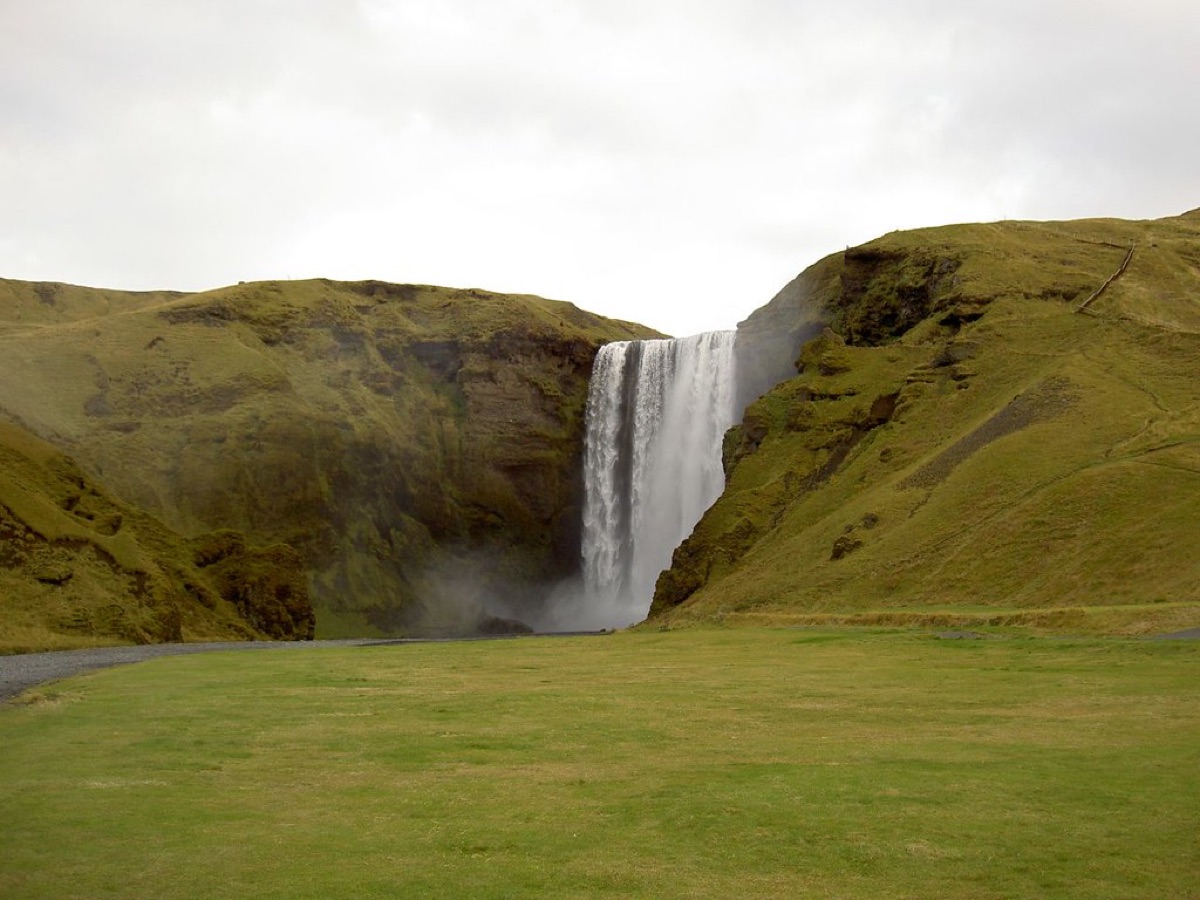
What do I need to know to enjoy the falls? The car door swings open, and a rush of chilly air floods the cabin, signaling the start of the trek. You check your map app, visualizing the path to the waterfall and how you'll approach the viewing platforms.
While the cost of living in Iceland can be a significant factor for travelers in 2026, the experience often justifies the expense.
Every waterfall requires a different approach. Some are easily reached via well-maintained paths from a parking lot, while others require a scramble up rocky hillsides.
| Category | Main Features | Recommended Gear |
|---|---|---|
| Tourist-Friendly | Well-maintained paths and parking | Comfortable sneakers, camera |
| Adventure-Style | Requires climbing rocks or walking behind water | Waterproof jacket, hiking boots, trekking poles |
| Glacial Proximity | Water volume and sound vary wildly by season | Heavy thermal layers, high-performance lenses |
Here is the general breakdown of what to expect:
- Location and Access: Most famous falls are located near the Ring Road or major national routes. Sites like Gullfoss and Seljalandsfoss are very easy to access. 2. Fees: Most natural waterfalls do not have an entrance fee, though some private lands or highly developed facilities may charge a small maintenance or parking fee. 3. Operating Hours: Since these are natural landmarks, there are no closing times, but in winter, the sun sets very early, making daytime travel essential. budgeting for the day. 4. Time Needed: Depending on the size of the falls and the length of the trails, you should budget between 1 and 2 hours per location.
How do I deal with the elements and stay safe? You step onto a wet rock, focusing on the way your boot soles grip the uneven surface. A sudden gust of wind threatens to snatch your hat, and a wall of mist momentarily blurs your vision.
The two biggest challenges on-site are "spray" and "slippery surfaces." The area around a waterfall is perpetually humid, and the rocks are often coated in a thin, dangerous film of water.
* The Importance of Waterproofing: The mist from a large waterfall travels much further than you might expect. A standard windbreaker won't cut it; you need a true waterproof hard-shell jacket to prevent hypothermia from getting soaked. * Footwear Choice: Wet rocks are incredibly slick. Sturdy hiking boots with excellent grip are essential. Sandals or casual sneakers are a recipe for a fall. * Respect the Fences: It is tempting to step over safety railings for a better photo. However, falling rocks or sudden changes in terrain can lead to serious accidents. Always stay on the designated paths. * Weather Shifts: Icelandic weather changes in an instant. A clear sky can turn into a windstorm or heavy rain within minutes, so always keep a spare set of dry clothes in your vehicle.
Where to go and what else to see
The car moves forward, and the vast landscape shifts outside your window. Each new vista offers a different mood than the one before.
According to the Icelandic Tourist Board, the total number of overnight stays by foreign visitors to Iceland grew from 595,000 in 2000 to 2.1 million in 2010, before rising to 4.4 million in 2014.
To make your trip more comprehensive, consider these classic routes:
- The Golden Circle: If you are visiting Gullfoss, it is standard practice to combine it with Thingvellir National Park and the Geysir geothermal area. 2. The South Coast Route: A sequence of visiting Seljalandsfoss and Skógafoss, followed by the black sand beach of Reynisfjara, creates a legendary itinerary. 3. Skaftafell Glacier Tours: Combining the waterfalls near Jökulsárlón with a glacier hike maximizes the sense of natural scale.
For accommodation, it is most efficient to use Reykjavík as a base or stay in smaller southern towns like Vík to minimize driving time.
Tips for capturing the perfect shot
You pop the lens cap off and peer through the viewfinder at the cascading water. As you press the shutter, a momentary spray of droplets seems to freeze in mid-air.
Capturing the scale of a waterfall requires specific techniques:
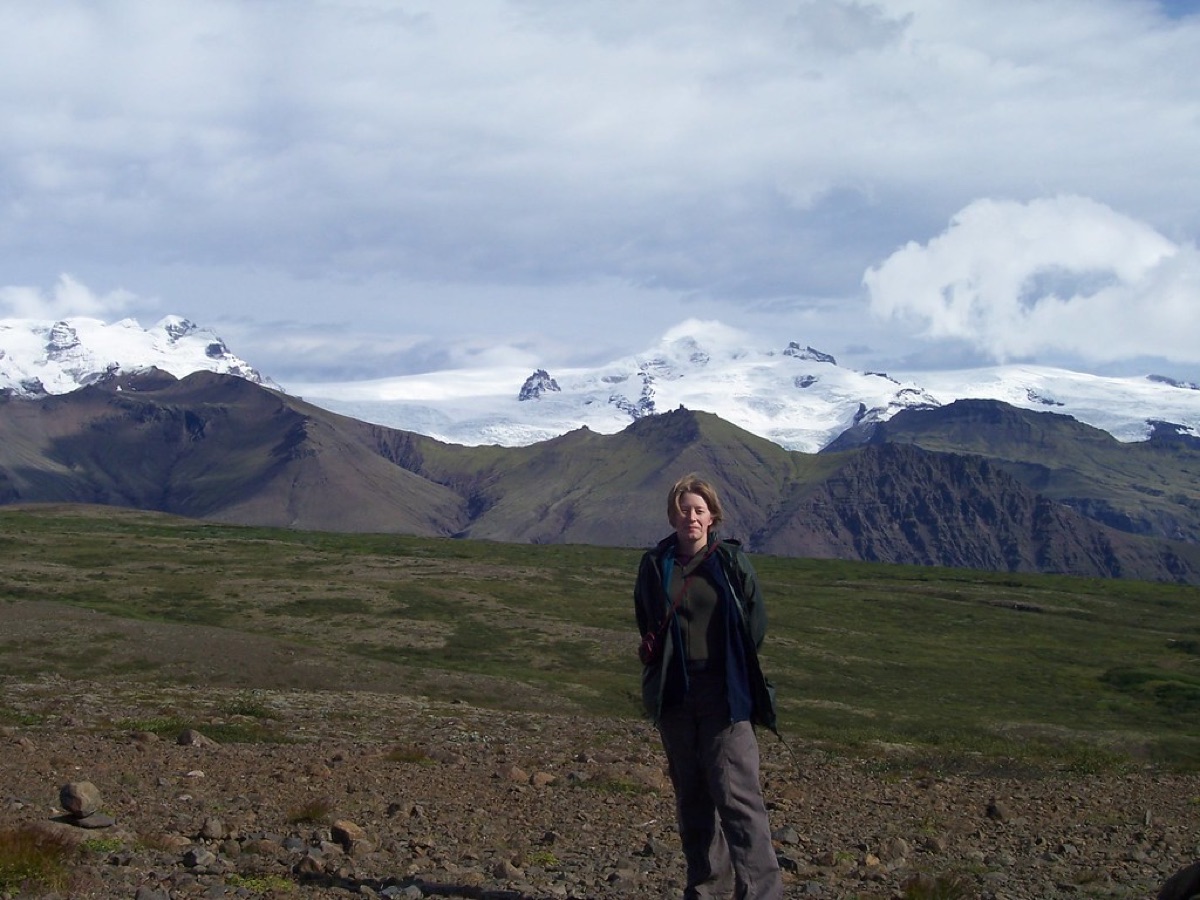
* Wide-Angle Lenses: To fit the entire waterfall and its surrounding environment into one frame, a wide-angle lens is your best friend. * Long Exposure: Using a tripod to slow down your shutter speed can turn a crashing waterfall into a soft, silky veil of white water. * Scale through People: Placing a person in the frame can provide a sense of scale, making the waterfall look even more massive by comparison. * The Golden Hour: The soft light during sunrise or sunset adds texture and depth to the water and rocks that midday sun cannot match.
Your ultimate waterfall expedition checklist
Before you head out, you need to do a final check of your gear. For a traveler in 2026, preparation is the difference between a great trip and a miserable one. According to World Bank data, Iceland recorded a GDP per capita of US$98,323 in 2025.
- Clothing: Pack moisture-wicking base layers and a heavy-duty waterproof hard-shell jacket. 2. Footwear: Ensure you have hiking boots with high-traction soles designed for wet surfaces. 3. Equipment Maintenance: Bring waterproof covers for your camera, lens protection filters, and microfiber cloths to wipe away mist. 4. Safety Supplies: Keep a flashlight and an emergency blanket in your car for nighttime driving or unexpected delays. 5. Navigation: Download offline maps to your phone to prepare for areas with no cellular service.
FAQ
아이슬란드 폭포 여행 시 꼭 필요한 준비물은 무엇인가요?
아이슬란드 폭포의 주요 볼거리는 무엇인가요?
아이슬란드 폭포를 탐험하는 데 필요한 시간은 어느 정도인가요?
Related posts
IMF Intervention: 18% Rates and the Strain on Foreign Funds

High Interest Rates Stabilized Iceland Post-Banking Failure
Iceland Winter: Pursuing the Aurora Beyond Tourist Crowds
Iceland in July: Unlock 24 Hours of Golden Daylight
Popular posts
7 Days in Iceland: See Glaciers, Aurora, and Hot Springs

80s Onward: Björk Fuses Vocals with Experimental Soundscapes

82% State Funding Supports Symphony's Cultural Journey

Comments 0