90-Day Window: When to See the Northern Lights in Iceland
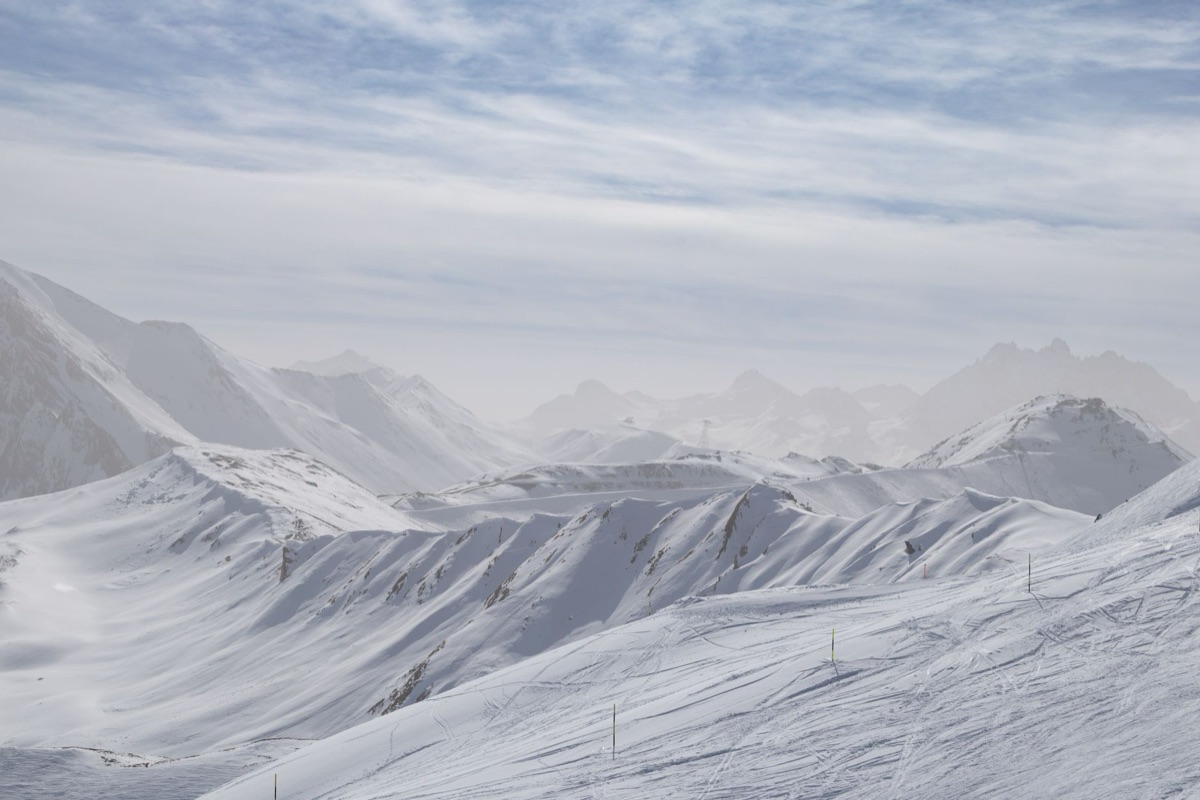
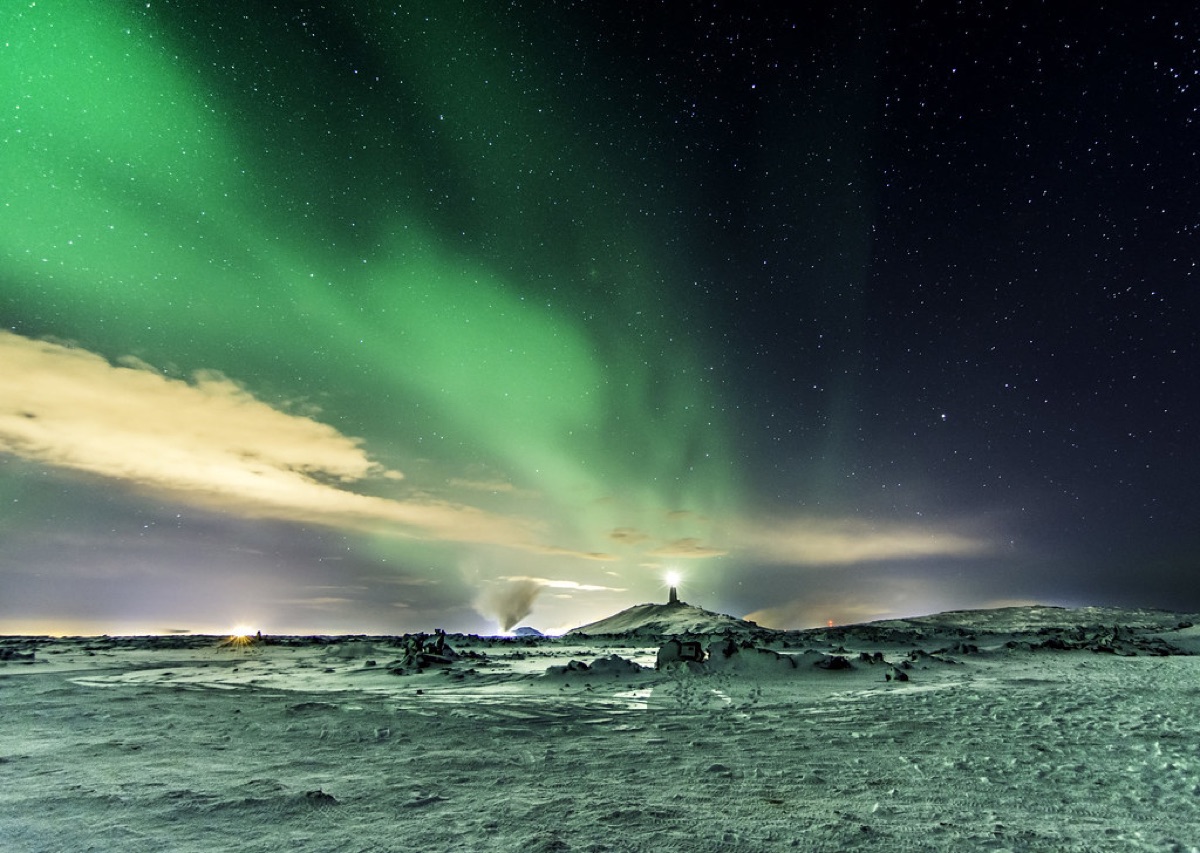
"The sky begins to shimmer in a ghostly green hue, far above the jagged silhouettes of volcanic peaks."
To witness the Aurora Borealis, you must master the delicate balance of darkness, clear skies, and solar energy. In Iceland, success isn't just about luck; it is about timing your arrival to the rhythm of the planet and traveling far enough from the city lights to let the heavens reveal themselves.
Key Takeaways * The prime viewing season runs from September through March. * High-quality viewing requires deep darkness, clear skies, and active solar cycles. * While Reykjavik is a convenient hub, traveling to remote regions offers much better visibility.
* Planning must account for winter road conditions and the need for self-sufficiency.
When is the Best Time to See the Aurora in Iceland?
I remember standing in a snow-dusted field near Akureyri at 2:00 AM, the wind biting through my heavy parka, waiting for a single streak of light to appear. The silence of the Icelandic night was heavy, broken only by the crunch of ice under my boots.
The hunt for the lights is a game of darkness. In the summer months, the sun barely dips below the horizon, providing a constant glow that makes seeing the aurora nearly impossible.
In 2014, around 42% of visitors arrived in Iceland during its summer months, a period focused more on the Midnight Sun than the night sky. For aurora hunters, the window of opportunity opens when the sun stays below the horizon long enough to create true darkness.
The optimal season begins in late August or September and lasts through March. The "shoulder seasons" of October and March are particularly popular because the temperatures are slightly more manageable than the dead of winter, yet the nights are dark enough for high-contrast viewing.
During these months, you have enough darkness to see the fainter, wispy movements of the solar particles hitting the atmosphere.
Success also relies on the solar cycle. While the season provides the darkness, the Kp index—a measure of geomagnetic activity—provides the light. You might have a perfectly clear night, but if the solar activity is low, the sky remains black.
This requires patience and a willingness to wait for the right atmospheric conditions. But darkness is only half the battle; you also have to find the right place to stand.
Where to Watch the Aurora: Beyond Reykjavik
Driving through the bright, neon-lit streets of downtown Reykjavik, I once looked up and felt a sense of disappointment because the sky was a hazy orange rather than black. It took a two-hour drive toward the dark coastline to finally see the magic.
According to the Icelandic Tourist Board, the total number of overnight stays by foreign visitors to Iceland grew from 595,000 in 2000 to 2.1 million in 2010, before rising to 4.4 million in 2014.
To see the aurora in its full glory, you must escape light pollution. While the capital is beautiful, the ambient glow from streetlights and buildings can wash out the delicate colors of the aurora.
Most travelers arrive through Keflavik, which is just 45 minutes from Reykjavik, and many use the city as a short stopover. However, staying in the city limits often means missing the best show.
For those seeking the best views, the South Coast and the remote regions of the North are excellent targets. The South Coast offers dramatic backdrops of black sand beaches and icebergs, while the North provides vast, dark expanses far from any major population centers.
If you are willing to travel, the Snaefellsnes Peninsula offers a stunning landscape that serves as a perfect stage for the lights.
Logistics are the biggest hurdle when moving away from the urban hubs. If you head to remote areas, you need a reliable 4x4 rental vehicle and a plan for self-sufficiency.
In the winter, roads can close due to snow or ice, so your choice of location must be balanced against your ability to navigate Icelandic terrain safely. But even in the perfect location, you might still come up empty-handed.
Maximizing Your Chances: Weather, Solar Activity, and Planning
I sat in a small cafe in Vik, staring at a weather app on my phone, wondering if we should head out into the wind or stay by the warmth of the heater. It was a constant negotiation between the forecast and our desire to see the lights.
According to World Bank data, Iceland recorded GDP per capita of US$98,323 in 2025.
The two greatest enemies of aurora hunting are clouds and the sun. You need both a clear sky and high solar activity. Even if the geomagnetic forecast is perfect, a thick layer of clouds will keep the aurora hidden. Conversely, even on a clear night, low solar activity might mean nothing to see.
This is why successful travelers monitor both weather forecasts and aurora apps daily.
A successful trip requires a "chase" mentality. Do not book a rigid itinerary that prevents you from moving. If the forecast shows heavy clouds in the South but clear skies in the north, you must be prepared to drive.
This flexibility is the difference between a successful hunt and a missed opportunity.
| Factor | Impact on Viewing | Strategy |
|---|---|---|
| Cloud Cover | High: Clouds block all visibility | Monitor local weather radar constantly |
| Solar Activity (Kp Index) | High: Determines intensity of light | Use aurora forecast apps |
| Moon Phase | Moderate: Bright moon can wash out light | Plan for New Moon phases for best contrast |
| Temperature | Practical: Affects comfort and gear | Pack professional-grade thermal layers |
Preparation also means packing for extreme cold. Deep-sky viewing often happens in sub-zero temperatures, sometimes in wind-chill conditions that can reach dangerous levels. High-quality base layers, waterproof boots, and extra hand warmers are non-negotiable.
In the winter, you are not just fighting the darkness; you are fighting the elements. To succeed, you need a systematic approach to your nightly hunt.
The Ultimate Aurora Hunter's Checklist
Walking through a steaming geothermal pool while the air temperature was below freezing, I watched the steam rise to meet the dark sky. It was the perfect way to transition from a night of watching the lights to a day of exploring the landscape.
Success in the field is often determined by how well you manage your gear and your information. Follow these steps to maximize your chances during a night hunt:
- Check the Forecasts: Before leaving your accommodation, verify the Kp index and the local cloud cover maps.
- Verify Road Conditions: Check the official Icelandic road reports to ensure your chosen destination is accessible.
- son
- Layer Up Correctly: Wear moisture-wicking base layers, an insulating middle layer, and a windproof outer shell.
- Prepare Your Gear: Ensure your camera batteries are fully charged and kept warm in an inside pocket.
- Drive Safely: Use a 4x4 vehicle and maintain a slow, steady pace on icy or snowy roads.
- Wait and Watch: Once you reach your dark spot, find a safe place to park and wait patiently for the sky to shift.
The best way to experience Iceland is to integrate aurora hunting into a broader itinerary. You can combine night hunts with daytime explorations of waterfalls, glaciers, and volcanic craters.
For example, spending your days exploring the Golden Circle and your nights in remote lodges near Thingvellir provides a perfect mix of accessibility and darkness.
When planning a road trip, sequence your itinerary to allow for flexibility. Do not overschedule your days. If you have a successful night of viewing, you might want a slow morning to recover.
If you need to move to a different part of the country to find clear skies, you need that extra time in your schedule.
Driving in winter requires significant skill and an understanding of Icelandic road conditions. Many travelers find that renting a vehicle with studded tires and high clearance is essential for reaching remote viewing spots.
Always check road reports before setting out, as conditions can change in minutes.
FAQ
아이슬란드에서 오로라를 관측하기 가장 좋은 시기는 언제인가요?
아이슬란드에서 오로라를 성공적으로 보려면 무엇이 필요한가요?
오로라를 보려면 레이캬비크를 벗어나야 하나요?
Related posts
IMF Intervention: 18% Rates and the Strain on Foreign Funds
High Interest Rates Stabilized Iceland Post-Banking Failure
Iceland Winter: Pursuing the Aurora Beyond Tourist Crowds
Iceland in July: Unlock 24 Hours of Golden Daylight
Popular posts
7 Days in Iceland: See Glaciers, Aurora, and Hot Springs
80s Onward: Björk Fuses Vocals with Experimental Soundscapes
82% State Funding Supports Symphony's Cultural Journey
Comments 0