Iceland Lodging Guide: Hotels vs. Airbnbs for Your Trip
"The right bed in Iceland isn't just about sleep; it's about how close you are to the elements when the wind starts to howl."
Finding your perfect base camp—whether it is a luxury hotel in Reykjavik or a secluded Airbnb in the Westfjords—requires balancing your budget against your desire for adventure. Your choice of lodging will dictate your entire itinerary, from how much you drive to how often you cook your own meals.
Key Takeaways: * Accommodation choice dictates your travel rhythm, such as constant movement versus a stationary basecamp. * Balancing Iceland's high cost of living with unique local experiences requires strategic upfront planning.
* Different lodging types suit different styles: luxury hotels for ease, and rentals for deep immersion or workations. * Planning ahead is non-negotiable for managing logistics along the Ring Road or in remote regions.
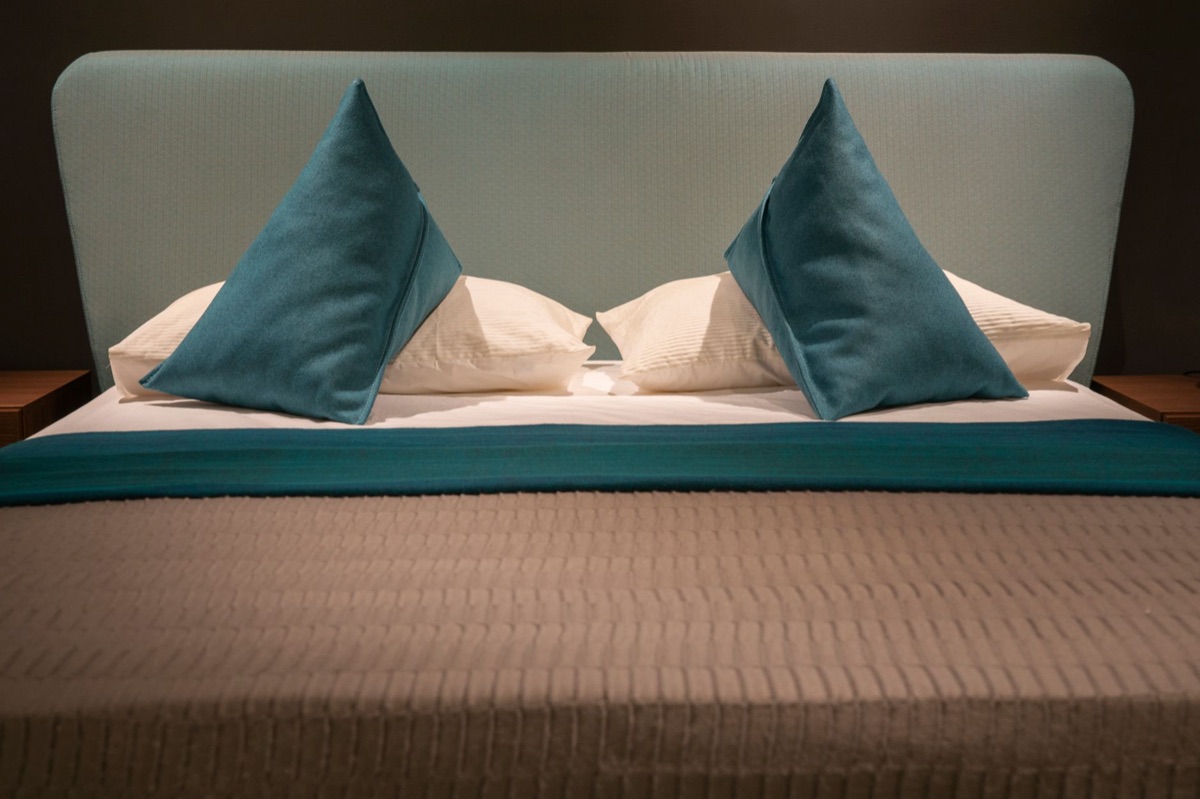
How do I find a stay that matches my vibe? The smell of fresh coffee in a sleek Reykjavik hotel lobby hits differently than the scent of damp wool and woodsmoke in a remote guesthouse.
I remember standing in a tiny kitchen in a rental cottage near Höfn at 7:30 AM, looking at the vast, empty landscape through a window, realizing that my choice of stay was my entire world for the next three days.
Luxury hotels serve as a high-end comfort base, often providing full-service amenities like spas and breakfast buffets. These are ideal for first-timers or those traveling in deep winter when you want a reliable, heated sanctuary after a day of trekking.
However, you sacrifice the ability to truly "live" in the landscape.
Guesthouses and mid-range hotels offer a balance, providing essential amenities without the premium price of a luxury resort. These are often the best choice for travelers moving along the South Coast, where you need a reliable bed but want to stay close to the road.
For those looking for a deep dive or a long-term workation, Airbnb and private rentals are the gold standard. Having a full kitchen allows you to manage food costs effectively, and these properties often place you in residential neighborhoods or stunning, isolated corners of the country.
Just remember that you must be more logistically independent regarding grocery shopping and waste disposal.
Finally, there is the purist approach: camping and sleeping in specialized pods. This is the most budget-friendly way to see the country, but it requires total self-sufficiency and a willingness to deal with the unpredictable Icelandic elements.
| Accommodation Type | Best For | Primary Pro | Primary Con |
|---|---|---|---|
| Luxury Hotels | First-timers / Winter travel | High comfort & amenities | High cost & less local feel |
| Guesthouses | Mid-range explorers | Great balance of price/utility | Less privacy than rentals |
| Airbnb / Rentals | Long-term / Workations | Kitchen access & immersion | Requires more logistics |
| Camping / Pods | Budget adventurers | Maximum freedom & low cost | Weather-dependent & low comfort |
The transition from a cozy hotel to a rugged campsite is a leap that changes your entire perspective on the journey.
How can I make my money last in Iceland? At dawn in a remote coastal kitchen, the cold wind rattles the windowpane while you stir a steaming pot of oatmeal.
A heavy rainstorm lashes against the window of a rental car as you stare at a digital receipt, realizing how quickly the numbers add up. In Iceland, the cost of living is a tangible reality that impacts every traveler's wallet.
The high cost of living is a constant factor in Iceland. While the country offers incredible amenities, the operational costs of running a nation in such a unique environment are reflected in local prices.
For example, historical economic shifts, such as when the Icelandic government raised interest rates to 18% in 2008 to meet IMF terms, underscore the complexity of the local economy.
While rates have stabilized significantly since then, the year 2025 and 2026 still reflect a high standard of living that serves as a baseline for all costs.
To make your money last, follow this strategic checklist: 1. Seasonality: Booking during the shoulder season (late spring or early autumn) can significantly lower nightly rates compared to the peak summer months. 2. Self-Catering: Eating out in Iceland is expensive.
Utilizing a rental with a kitchen can save you hundreds of dollars over a week-long trip. 3. The "Hidden Costs" Checklist: Always look beyond the nightly rate. Factor in parking fees at popular sites, utility costs in some rentals, and non-refundable booking deposits. 4. **Logistics vs.
Lodging:** A cheaper hotel far from your destination might cost you more in fuel and rental car wear-and-tear than a more expensive, centrally located option.
Effective budgeting is about more than just the price of a bed; it is about the cost of the journey itself.
Tailoring Your Stay to Your Journey Style
The engine of a rental SUV hums steadily as you navigate a winding gravel road toward a remote cabin. Depending on whether you are a nomad or a stationary explorer, your lodging needs will shift dramatically.
According to an OECD assessment, 64% of Icelanders aged 25–64 have earned the equivalent of a high-school degree.
If you are a Ring Road Explorer on a 7-10 day mission, you need strategic overnight stops. You should look for locations with easy access to major sights, such as staying near Vík for black sand beaches or near Akureyri for northern exploration.
In this mode, your accommodation is a pit stop designed for efficiency.
In contrast, the Deep Immersion Traveler—often a long-stay or workation seeker—might choose a single base town like Akureyri or a quiet spot in the South Coast.
Staying in one place for a week or more can be more cost-effective and allows you to build a routine, making it easier to work remotely while still experiencing the landscape.
For the Aurora Chaser, location is everything. You must look for accommodations outside of Reykjavik and major town centers to ensure dark-sky viewing. A hotel with large windows or a remote cabin with minimal light pollution is worth the extra effort.
When planning, always check the cancellation policies. In Iceland, weather can change your plans in an instant, and having a flexible booking is a vital part of your travel strategy.
Choosing a basecamp is the first step in defining your adventure.
Beyond the Basics: Seasonal and Weather-Dependent Stays
The wind howls against the cabin walls, a reminder that the wild nature of Iceland is always just outside the door. Seasonal changes don't just change the scenery; they change the very nature of your accommodation.
According to a 2013 Eurostat report by the European Commission, Iceland spends around 3.11% of its GDP on scientific research and development (R&D).
In the winter, your priority is a "Survival Kit" approach. You need accommodations with reliable heating, sturdy structures, and easy access to main roads.
A beautiful but isolated cabin might become a trap if a snowstorm hits, so look for properties that are accessible even in less-than-ideal conditions.
During the Summer Solstice, the advantage is accessibility. With the midnight sun, you can utilize the long days for hiking and sightseeing, often finding that even remote areas are more manageable. However, peak summer prices are at their highest, so you must book well in advance.
The shoulder season—late spring and early autumn—is often the "sweet spot." You get a balance of manageable weather and lower prices, though you must still be prepared for sudden shifts.
Always have an emergency contingency plan. If a sudden storm makes a mountain pass impassable, you need to be able to pivot to a different accommodation or stay an extra night in your current location without breaking your budget.
Understanding the seasons helps you prepare for the unexpected.
FAQ
Is it possible to travel Iceland cheaply?
Where is the best base for a first-timer?
How far in advance should I book?
아이슬란드 여행 시 호텔과 에어비앤비 중 어떤 숙소를 선택해야 할까요?
각 숙소 유형별 장점은 무엇인가요?
숙소를 고를 때 가장 중요하게 고려해야 할 점은 무엇인가요?
Related posts
IMF Intervention: 18% Rates and the Strain on Foreign Funds
High Interest Rates Stabilized Iceland Post-Banking Failure
Iceland Winter: Pursuing the Aurora Beyond Tourist Crowds
Iceland in July: Unlock 24 Hours of Golden Daylight
Popular posts
7 Days in Iceland: See Glaciers, Aurora, and Hot Springs
80s Onward: Björk Fuses Vocals with Experimental Soundscapes
82% State Funding Supports Symphony's Cultural Journey

Comments 0