98% See Iceland: Maximize Your Summer Ring Road Trip
"The sun never sets, the ice never stays still, and the road never ends."
Iceland in the summer is not just a change in weather; it is a complete rebirth of the landscape.
While winter travelers hunt for the elusive Aurora Borealis in the dark, summer travelers chase the endless light of the Midnight Sun to reach places that remain frozen and inaccessible for half the year.
Key Takeaways * Summer provides the primary window for glacier trekking, highland access, and coastal exploration. * The 24-hour daylight offers unparalleled flexibility but requires strategic sleep and light management.
* Planning revolves around the Ring Road and securing logistics well in advance due to high seasonal demand.
The Golden Age of Light and Motion
I remember standing on the edge of a moss-covered lava field near Vík at 2:00 AM in July 2025, the sky a soft, bruised purple rather than black. There was no darkness to hide the textures of the earth, only a perpetual, golden twilight that made the mountains look like they were carved from velvet.
According to World Bank, Iceland recorded international tourist arrivals of 488,000 in 2020.
In the winter, Iceland is a land of stillness and darkness, where travel is often dictated by snowdrifts and the hunt for the Northern Lights. In contrast, the summer months transform the island into a high-energy theater of movement.
The melting ice creates rushing rivers, the blooming flora covers volcanic cracks in green, and the constant light allows for adventures that can last well into the "night."
This shift in light changes everything about how you move through the country. In winter, you are often confined to the well-traveled paths near Reykjavik or the Golden Circle.
In summer, the accessibility of the highlands and the ability to drive long distances without the constant threat of ice-covered roads opens up the entire island. It is the season of maximum visibility and maximum possibility.
But how do you actually navigate a country that refuses to go to sleep?
Navigating the Land: Routes and Basecamps
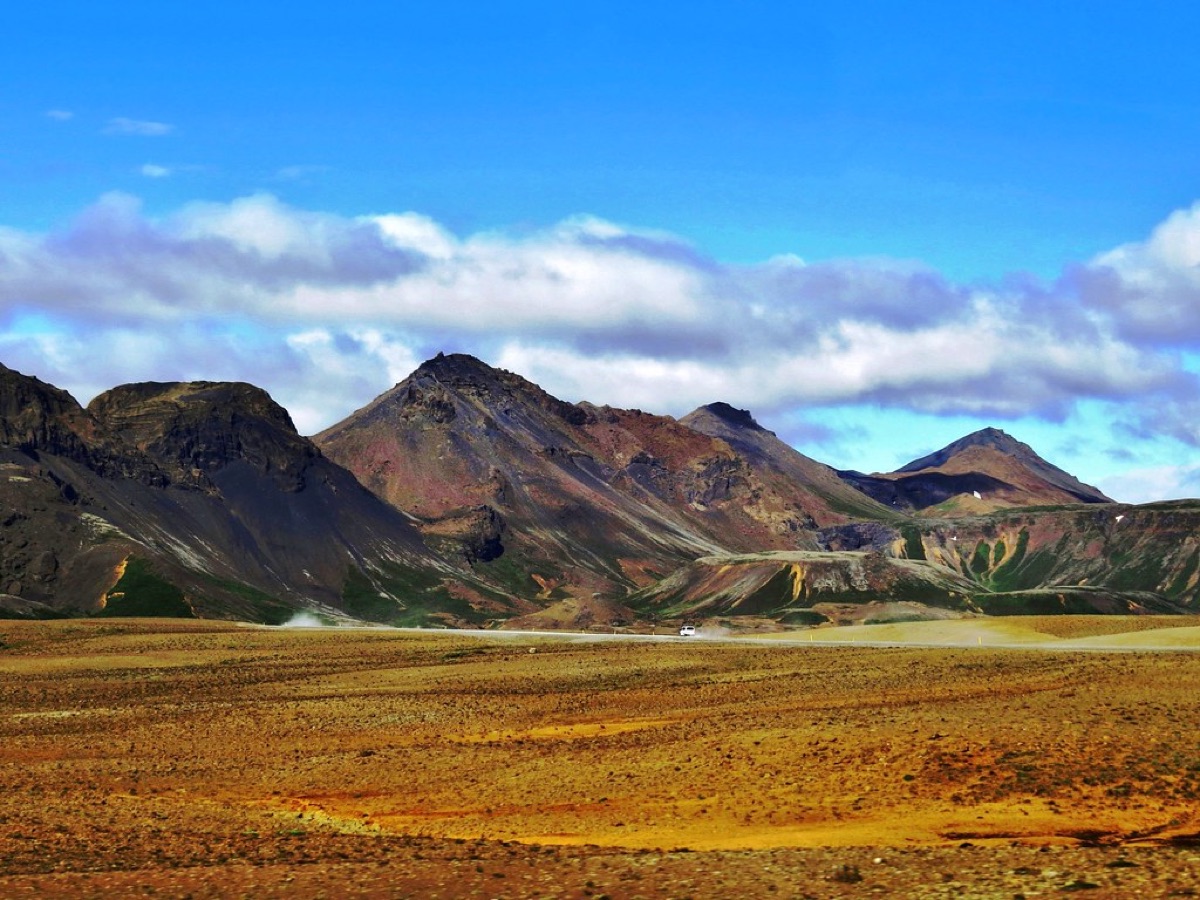
Driving through the vast, empty stretches of the South Coast, the hum of the tires on the asphalt of Route 1 is the only sound for miles. The road stretches ahead, a black ribbon cutting through a world of emerald green and glacial blue.
The Ring Road, also known as Route 1, serves as the primary artery for anyone looking to see the heart of Iceland. For most travelers, the journey begins at Keflavik Airport, located just 45 minutes from Reykjavik.
When planning your route, you must decide between a high-speed circuit and a deep-immersion stay. A first-timer might stick to the southern coast, while an adventurer might aim to complete the full loop around the island.
| Strategy | Best For | Pros | Cons |
|---|---|---|---|
| Reykjavik Base | Short trips/First-timers | Easy access to amenities/culture | High travel time to remote sites |
| Ring Road Loop | 10+ day adventures | Sees the whole country | Requires significant driving |
| Regional Hubs | Deep-dive enthusiasts | Allows for hiking/exploration | Requires multiple bookings |
For those looking for a more immersive experience, such as digital nomads or long-term travelers, choosing regional basecamps is vital.
Instead of moving hotels every night, staying in towns like Akureyri in the north or Höfn in the southeast allows you to explore the surrounding fjords and mountains without the constant packing and unpacking.
However, choosing a base is only the first step; you also have to prepare for the physical intensity of the terrain.
Adventures Under the Sun: Ice, Fire, and Water
The wind at the base of a glacier is different from any other wind; it is cold, heavy, and carries the scent of ancient ice. You can feel the sheer scale of the frozen giant looming above you, a silent force of nature.
Summer is the prime season for activities that require stable ground and melting ice. In the winter, many glaciers are too dangerous or inaccessible for trekking, but in the summer, guided ice walks and glacier hikes become the centerpiece of the journey.
The melting processes also create dramatic waterfalls that reach their peak volume during the summer months, making sites like Skógafoss and Gullfoss even more thunderous.
Geothermal activity also takes center stage. While the heat is constant, the ability to hike through geothermal fields like Landmannalaugar is much easier when the paths are not buried under snow.
You can soak in natural hot springs while the sun hangs low on the horizon, a surreal experience that defies the traditional concept of day and night.
But while the water and ice are breathtaking, there is a living, breathing ecosystem that you might miss if you aren't looking closely.
Beyond the Tourist Trail: The Living Ecosystem
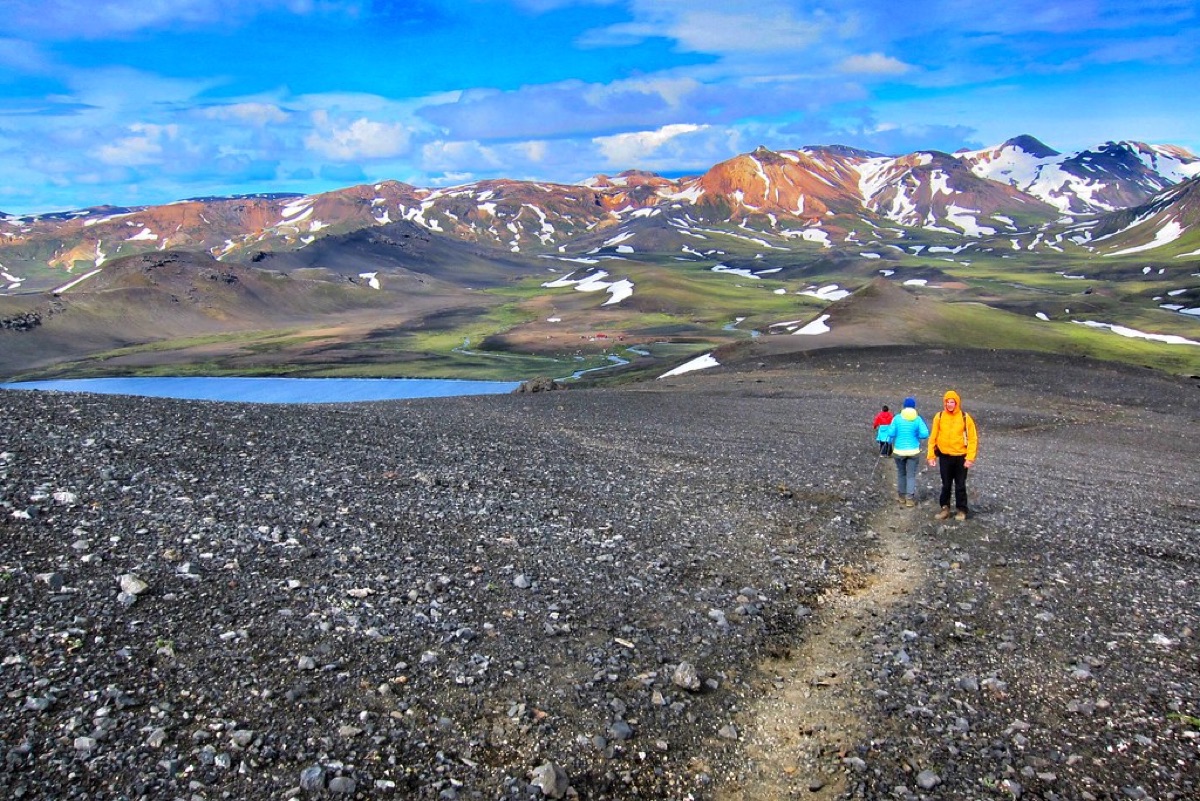
Walking through a valley in the highlands, the smell of damp earth and wild thyme fills the air. The ground beneath your boots is a mix of volcanic grit and soft, prehistoric-looking moss.
The summer brings a brief but intense burst of life to the Icelandic ecosystem. The flora, which survives in a harsh environment year-round, blooms in a sudden explosion of color. You will encounter unique wildflowers and birdlife that are much harder to spot during the darker months.
The contrast between the rugged, volcanic terrain and the delicate life it supports is striking. The landscape is a constant reminder of the planet's geological power—the heat from below meeting the ice from above.
This tension defines the Icelandic identity and provides a backdrop for a type of travel that feels both prehistoric and modern.
Of course, no amount of beauty can prepare you for the logistical hurdles of a remote environment.
Planning Your Perfect Journey
A heavy backpack sits by the door of a rental campervan, filled with waterproof layers and sturdy boots. The itinerary is spread across the table, marked with pins and winding lines that trace the coastline.
Deciding how long to stay is the most common dilemma for travelers. A 7-day itinerary is typically enough to cover the South Coast and the Golden Circle, but it can feel rushed.
A 10-day itinerary allows for a more meaningful loop of the Ring Road, providing time to explore the North or the Snaefellsnes Peninsula.
Essential Preparation Checklist 1. Layering System: Do not rely on heavy winter coats alone. You need moisture-wicking base layers, a fleece mid-layer, and a high-quality waterproof shell. 2. Vehicle Selection: For the Ring Road, a standard car is fine, but if you plan to head into the highlands, a 4x4 is non-negotiable. 3. Booking Lead Time: Because summer is the peak season, accommodations and rental cars should be booked months in advance. 4. Driving Awareness: Even in summer, weather can change in minutes. Always check road conditions and wind speeds before departing.
Financial Realities Iceland is known for its high cost of living. While you can manage costs by shopping at local grocery stores like Bónus and cooking in your rental accommodations, dining out can quickly deplete a budget. It is wise to account for higher prices during the summer peak and to factor in the cost of specialized tours like glacier trekking or whale watching.
It is important to note that while summer offers the best access, it is not a universal solution for every traveler. High winds, sudden fog, and the sheer density of crowds in popular areas can sometimes make the experience feel more chaotic than the quiet solitude of winter.
FAQ
아이슬란드 여름 여행의 가장 큰 장점은 무엇인가요?
아이슬란드에서 여름에 여행할 때 고려해야 할 중요한 사항은 무엇인가요?
아이슬란드 여행 시 겨울과 여름의 가장 큰 차이점은 무엇인가요?
Related posts
IMF Intervention: 18% Rates and the Strain on Foreign Funds

High Interest Rates Stabilized Iceland Post-Banking Failure
Iceland Winter: Pursuing the Aurora Beyond Tourist Crowds
Iceland in July: Unlock 24 Hours of Golden Daylight
Popular posts
7 Days in Iceland: See Glaciers, Aurora, and Hot Springs
80s Onward: Björk Fuses Vocals with Experimental Soundscapes

82% State Funding Supports Symphony's Cultural Journey

Comments 0