7 Days in Iceland: See Glaciers, Aurora, and Hot Springs
"Iceland is not a place you visit to check boxes; it is a place you visit to feel small in the presence of giants."
* Strategic Pacing: This route prioritizes the South Coast to minimize long driving stretches while maximizing high-impact activities like glacier trekking. * Seasonal Versatility: The itinerary is designed to pivot between winter aurora hunting and summer midnight sun exploration. * Logistical Balance: It provides a ability to mix guided adventure with self-drive flexibility.
Why 7 Days? Structuring Your Icelandic Immersion
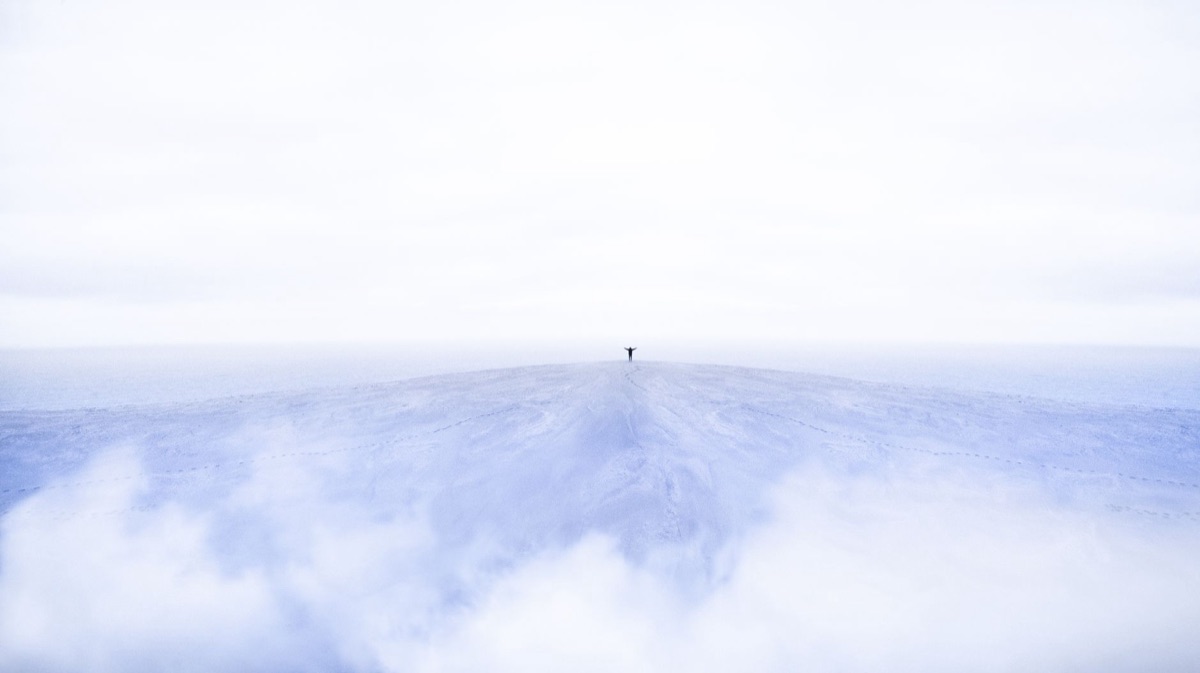
The smell of sulfur hangs in the air as you step off the plane at Keflavik, and the wind immediately reminds you that you are in a land of raw power. You realize quickly that the vastness of the Icelandic landscape cannot be swallowed in a weekend.
According to the Icelandic Tourist Board, the total number of overnight stays by foreign visitors to Iceland grew to 4.4 million in 2014.
Seven days represents the "sweet spot" for a first-time visitor. It is long enough to move beyond the capital of Reykjavik and reach the dramatic glacial lagoons of the southeast, but short enough that you aren't spending ten hours a day in a rental car.
In a shorter window, you risk a "drive-only" vacation where the scenery passes by in a blur through a window. In a longer window, you might find yourself needing a week of rest just to recover from the sheer sensory input.
When planning, you must decide between a whirlwind loop of the entire Ring Road or a deep-dive into one region. For a seven-day window, a full loop is often too taxing, as you would spend most of your time on the road rather than at the sights.
Instead, focusing on the South and Southeast allows for meaningful engagement with the ice and water.
Logistics require early intervention. Because the tourism industry is a significant pillar of the economy—contributing roughly 10 percent to the Icelandic GDP as of 2016—the most popular accommodations and specialized tour operators fill up months in advance.
Secure your rental car and your base accommodations at least four to six months ahead of your arrival to ensure you aren't left with suboptimal locations far from the sights.
But how do you actually structure those seven days so you don't end up exhausted by day four?
What does my 7-day itinerary look like? The engine of a sturdy 4x4 hums beneath you as you navigate the gravelly outskirts of a coastal town, the road stretching toward a wall of mist. This is the start of a journey through one of the most geologically active places on Earth.
Days 1-2: Arrival & South Coast Wonders Your journey begins at Keflavik International Airport. After picking up your vehicle, head toward the Reykjanes Peninsula to shake off the jet lag with a soak in a geothermal pool. From there, move toward the South Coast.
You will encounter the iconic Seljalandsfoss, where you can walk behind the veil of falling water, and the mighty Skógafoss. These days are about acclimating to the scale of the landscape and the unpredictable weather.
Days 3-4: Glacial Encounters & Highlands Gateway The landscape shifts from green moss to stark, blue ice. These days are dedicated to the Vatnajökull National Park area. You will participate in guided glacier walks or ice cave explorations (depending on the season).
The sheer scale of the ice lagoons, where icebergs drift toward the Atlantic, provides a humbling perspective on the planet's changing climate.
Days 5-6: The Mid-Iceland/North Focus or Coastal Exploration Depending on your energy levels, you can head toward the more remote eastern fjords or loop back through the Golden Circle. This portion of the trip allows you to explore geothermal areas like Geysir and the massive Gullfoss waterfall.
It is a time to balance the intensity of the glaciers with the rhythmic beauty of the coastline.
Day 7: Return & Farewell The final day is a buffer. Use it to revisit a favorite spot, hunt for last-minute Icelandic woolens in Reykjavik, or simply enjoy a slow morning in a seaside cafe.
It is also a vital window to account for any weather-related delays that may have occurred earlier in the week.
But once you are on the ground, how do you handle the extreme elements of ice and fire?
What kind of immersive experiences await me? The temperature drops sharply at midnight, and you find yourself standing in a dark field, eyes scanning the black velvet sky for a flicker of green. The air is biting, but the anticipation of the aurora keeps you moving.
According to World Bank data, Iceland recorded international tourist arrivals of 488,000 in 2020.
Aurora Hunting Protocol To see the Northern Lights, you need three things: darkness, clear skies, and solar activity. In the winter months, you must monitor aurora forecasts closely.
Glacier Adventures Glacier trekking is a transformative experience, but it requires professional guidance. Do not attempt to walk on a glacier without a certified guide. Tours typically involve crampons, ice axes, and harnesses.
In winter, ice caves offer a surreal, blue-hued underworld, while summer tours focus on trekking across the vast ice tongues. Always check the weather and glacier stability reports before your scheduled tour.
Thermal Therapy Iceland’s heat comes from below. You can choose between the famous, high-end experience of the Blue Lagoon and the more authentic, local experience of community swimming pools.
| Feature | High-End Spa (e.g., Blue Lagoon) | Local Community Pools |
|---|---|---|
| Atmosphere | Luxury, manicured, social media-ready | Authentic, social, community-focused |
| Cost | High (requires pre-booking) | Very Low |
| Best For | Relaxation and pampering | Cultural immersion and budget travel |
| Accessibility | Easy, near major hubs | Varies, often in town centers |
When I first attempted a glacier trek in the winter, I realized that no amount of reading could prepare me for the sheer, crushing silence of the ice. It changed how I viewed the landscape entirely.
But how do you keep that momentum going without running out of gas—or money?
Logistics Mastery: Making Your Road Trip Seamless
The tires crunch over a patch of uneven gravel, and the GPS signal flicks as you enter a valley of towering basalt columns. Navigating these roads requires a mix of respect and preparation.
Driving Dynamics The Ring Road (Route 1) is the main artery of the country, connecting the major hubs. While it is well-maintained, it can be treacherous during winter storms.
If you plan to venture onto F-Roads (mountain tracks), you must have a 4x4 vehicle and travel during the summer months when they are cleared of snow. Always check road.is for real-time updates on closures and wind speeds.
Accommodation Strategy For a seven-day trip, a mix of accommodations is best. Use hotels in larger hubs like Reykjavik or Vik for comfort, but consider renting remote cabins or guesthouses for nights when you want to be close to nature.
Cabins often provide more privacy and better opportunities for aurora viewing directly from your doorstep.
Essential Gear/Survival Kit Layering is the golden rule of Icelandic travel. You need a base layer of merino wool, an insulating mid-layer (fleece or down), and a high-quality waterproof/windproof outer shell.
Do not rely on fashion over function; waterproof boots and sturdy socks are non-negotiable. A small, waterproof dry bag is also useful for protecting your electronics during sudden rain or sea spray.
To keep your trip running smoothly, follow this essential preparation checklist:
- Verify Vehicle Specs: Ensure your rental is a 4x4 if you plan to leave the main highway, and check that it has winter tires if traveling between October and April.
- much-needed Book Key Experiences: Reserve glacier tours and lagoon entries at least 3 months in advance to secure your preferred time slots.
- Download Offline Maps: Download the entire South Coast region on your smartphone so you aren't lost when the signal drops in remote fjords.
- Monitor Weather Apps: Download the official Icelandic weather app and check it every single morning before you start driving.
But even with a perfect plan, the unpredictable nature of the North can throw you a curveball.
Pro-Tips for Maximizing Your Visit
According to an OECD assessment, 64% of Icelanders aged 25–64 have earned the equivalent of a high-school degree.
Weather Contingency Never schedule tight connections or expensive tours on days with high wind warnings. If the South Coast is hit by a storm, be prepared to pivot to the Golden Circle or stay put in your current location. Flexibility is the most important "item" in your luggage.
Off-Season Advantage Traveling in the shoulder seasons (September/October or March/April) offers a perfect compromise. You have enough darkness for aurora hunting but enough daylight to explore. The crowds are thinner, and the prices are often more manageable than the peak summer months.
Budgeting Snapshot Iceland can be expensive. While you can manage costs by shopping at local grocery stores (like Bónus or Krónan) and cooking in your guesthouses, activities like glacier tours and lagoon entries are significant expenses.
Plan your budget by separating "must-do" adventures from "nice-to-have" luxuries.
| Category | Estimated Cost Level | Tip |
|---|---|---|
| Food/Dining | Moderate to High | Mix restaurant meals with grocery shopping |
| Activities | High | Book glacier tours well in advance |
| Transport | Moderate | Rent a 4x4 for better stability |
FAQ
아이슬란드 7일 여행의 핵심적인 장점은 무엇인가요?
아이슬란드 여행 시 어떤 지역에 집중하는 것이 좋나요?
아이슬란드 여행을 계획할 때 가장 먼저 해야 할 준비는 무엇인가요?
Related posts
IMF Intervention: 18% Rates and the Strain on Foreign Funds

High Interest Rates Stabilized Iceland Post-Banking Failure
Iceland Winter: Pursuing the Aurora Beyond Tourist Crowds
Iceland in July: Unlock 24 Hours of Golden Daylight
Popular posts

80s Onward: Björk Fuses Vocals with Experimental Soundscapes

82% State Funding Supports Symphony's Cultural Journey

82% State Support: Securing Iceland's Musical Future
Comments 0