Icelandic Hot Springs: Local Etiquette for a True Soak
"The steam rises from the earth, blurring the line between the sky and the water, inviting you into a ritual as old as the islands themselves."
To truly experience Iceland, you must move beyond the crowded tourist traps and embrace the communal warmth of a local pool. Mastering the etiquette and timing of these geothermal sanctuaries is the difference between a superficial dip and a transformative journey.
* Planning your itinerary around pool locations prevents travel fatigue. * Strict adherence to showering protocols is non-negotiable for local respect. * Timing your visits helps you avoid crowds and find quiet contemplation. * Preparation of gear ensures you transition smoothly from water to wind.
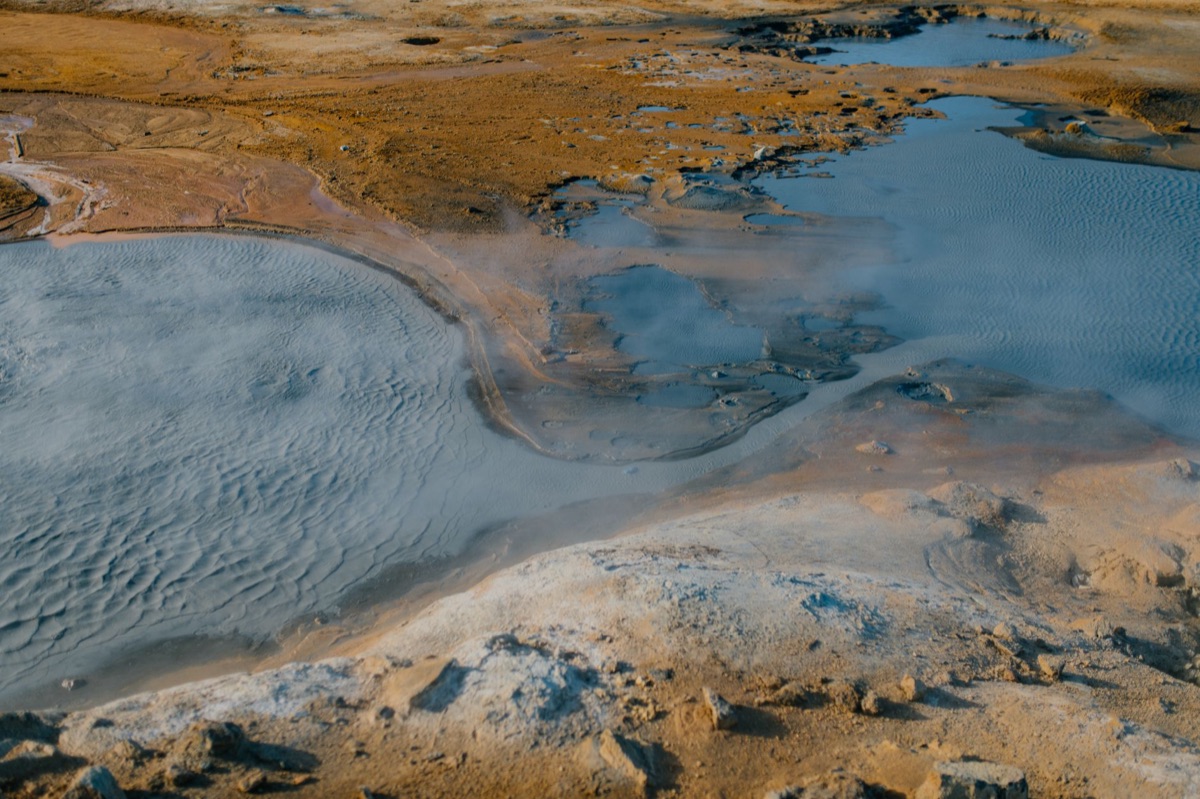
Why Choose Local Hot Springs Over Tourist Spots?
The wind howls against a corrugated metal wall in a small fishing village in the Westfjords, but inside the community pool, the air is thick with warmth and the low hum of conversation.
According to the Icelandic Tourist Board, the total number of overnight stays by foreign visitors to Iceland rose to 4.4 million in 2014.
You step into the water, feeling the heat seep into your bones, realizing that this isn't a manicured spa, but the heartbeat of the town.
While famous lagoons offer stunning photography, they often feel like crowded water parks rather than natural sanctuaries. In contrast, the small, community-run pools found in nearly every town along the Ring Road offer a genuine glimpse into Icelandic life.
In these places, you aren't just a spectator; you are part of a social fabric that has existed for centuries.
Selecting a location based on your travel itinerary is vital for a smooth road trip. If you are driving the Ring Road, you will find excellent municipal pools in towns like Akureyri or Höfn that serve as perfect rest stops.
If you are venturing into the deep countryside, you might find more rugged, natural hot springs that require a bit of hiking but offer unparalleled solitude.
Choosing the local route allows you to integrate the ritual of bathing into your travel rhythm rather than making it a separate, exhausting detour.
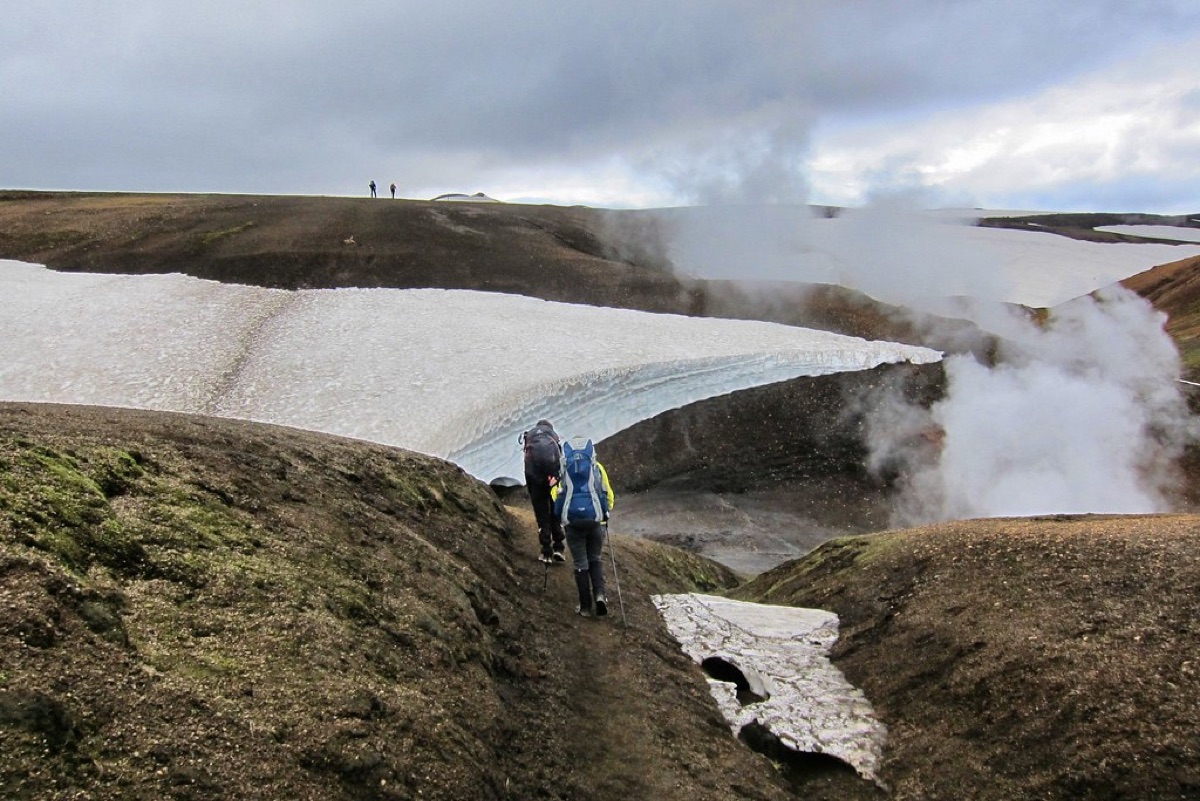
What is the proper etiquette for my visit? You stand at the edge of a tiled shower room, the smell of soap filling the air, and realize there is a specific sequence to follow before you even touch the pool water. It is a ritual of preparation that every local follows without question.
As noted by the European Commission, Iceland's spending on scientific research and development was over 1 percentage point higher than the EU average in a 2013 report.
In Iceland, the pre-soaking ritual is centered entirely on hygiene. Before you enter any communal pool, you must shower thoroughly with soap in the communal shower area. This is not a suggestion; it is a fundamental rule of Icelandic bathing culture.
Most pools have strict signage, and failing to wash properly is considered highly disrespectful to the community and the water quality.
Beyond the shower, there is a social etiquette to consider. In many pools, there are different sections: hot areas for soaking and cooler areas for social interaction.
It is common to see groups of friends or neighbors chatting in the warm water, but there is also a quiet respect for those who come to meditate or enjoy the silence. Observing the volume of the room and matching the energy of the space is key to being a polite visitor.
When is the best time to visit? The sun hangs low on the horizon during a summer evening, casting long shadows over a steaming pool while the air remains crisp and cool. You realize that the timing of your soak changes everything about the atmosphere.
According to the World Bank, Iceland recorded international tourist arrivals of 488,000 in 2020.
To maximize your experience, you must consider the season and the time of day. In the peak summer months of 2025 and 2026, the long daylight hours mean you can enjoy a soak at midnight, but popular spots will be crowded.
In the winter, the contrast between the freezing air and the hot water is magical, but you must prepare for much harsher weather.
Booking versus drop-in availability also plays a role. High-end geothermal spas often require advanced reservations to manage capacity, making them excellent for a planned luxury experience.
However, local municipal pools usually operate on a drop-in basis, making them perfect for spontaneous stops during a long drive. For the best balance of tranquility and accessibility, aim for the shoulder seasons—spring and autumn—when the crowds thin out but the water remains inviting.
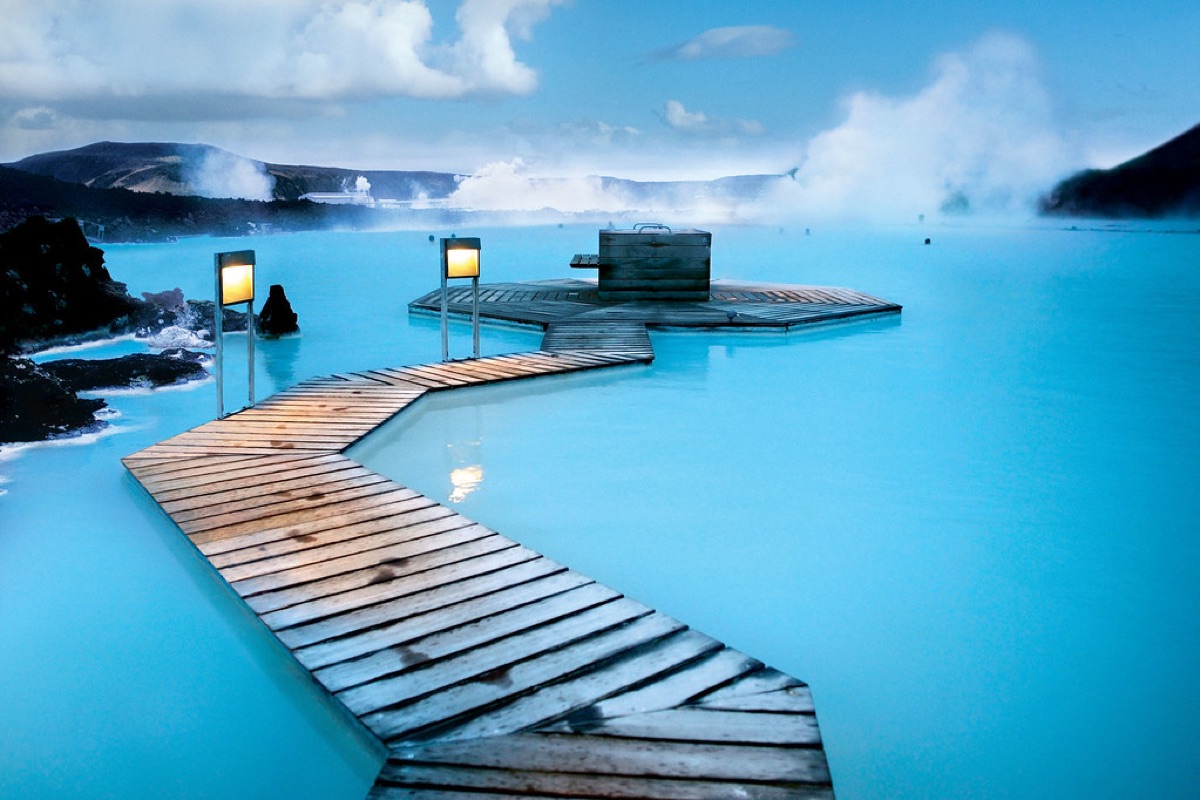
Beyond the Soak: Nearby Experiences to Enhance Your Trip
A heavy wool sweater feels scratchy against your skin as you step out of the warm water into the biting wind of a coastal afternoon. You look toward the distant mountains, feeling the lingering heat of the pool as you prepare for the next leg of your journey.
A hot spring visit is most rewarding when paired with other natural wonders. In the South Coast, you might transition from a warm soak to the thunderous spray of Skógafoss waterfall. In the North, a dip in a local pool can be the perfect way to relax after a day of exploring glacier lagoons.
To make the transition from the water to the outdoors successful, you need the right gear. Always carry a waterproof bag to protect your electronics and a high-quality, windproof outer layer.
The transition from a 40°C pool to a 5°C wind can be a shock to the system, so having a warm robe or a heavy parka ready is essential for maintaining your comfort during your exploration.
When I first attempted a late-night soak in the Westfjords in 2025, I learned the hard way that a thin towel is no match for a sudden gust of wind. I had to scramble back to the locker room, shivering, realizing that preparation is just as important as the soak itself.
Practicalities: What to Know Before You Go
You sit on a wooden bench in a small locker room, checking your bag to you ensure you have everything needed for the trek ahead. The transition from the communal space to the rugged road requires careful organization.
According to a 2013 report by the European Commission, Iceland's spending on scientific research and development was 3.11% of its GDP. An OECD assessment found that 64% of Icelanders aged 25–64 have earned the equivalent of a high-school degree.
Understanding the logistics of different facilities is crucial for your budget and comfort. Some pools are purely municipal and require only a small entrance fee, while luxury spas require a full-day pass and often include towel service.
In municipal pools, you will typically need to bring your own towel and flip-flops, whereas high-end spas usually provide them.
| Feature | Municipal/Local Pools | Luxury/Tourist Spas |
|---|---|---|
| Primary Purpose | Socializing & Daily Routine | Relaxation & Tourism |
| Price Range | Low (Budget-friendly) | High (Premium) |
| Amenities | Basic Lockers, No Towels | Towels, Robes, Drinks |
| Atmosphere | Community-focused | Spa-focused |
To ensure you have a seamless experience, follow this checklist:
- Verify the Shower Rule: Always shower naked and thoroughly with soap before entering the water to respect local hygiene standards.
- Pack for Temperature Swings: Carry a heavy robe and a warm hat to manage the transition from hot water to cold air.
- Check Entry Requirements: Confirm if you need a pre-booked reservation (for lagoons) or if you can pay at the door (for municipal pools).
- Prepare Your Gear: Bring waterproof bags for electronics and flip-flops for the locker room floors.
When visiting, always respect the local environment. Do not leave litter in changing rooms, and keep noise levels reasonable in quiet zones. In remote areas, be mindful of the delicate moss and volcanic terrain surrounding natural hot springs; stick to marked paths to prevent environmental damage.
FAQ
아이슬란드에서 현지 목욕탕을 방문할 때 가장 중요한 것은 무엇인가요?
관광객들이 많은 유명한 곳 대신 현지 목욕탕을 선택해야 하는 이유는 무엇인가요?
아이슬란드 여행 시 목욕탕 방문 계획을 세울 때 고려해야 할 점은 무엇인가요?
Related posts
IMF Intervention: 18% Rates and the Strain on Foreign Funds
High Interest Rates Stabilized Iceland Post-Banking Failure
Iceland Winter: Pursuing the Aurora Beyond Tourist Crowds
Iceland in July: Unlock 24 Hours of Golden Daylight
Popular posts
7 Days in Iceland: See Glaciers, Aurora, and Hot Springs
80s Onward: Björk Fuses Vocals with Experimental Soundscapes

82% State Funding Supports Symphony's Cultural Journey

Comments 0