How does geography influence the Icelandic local diet?
"The frost-bitten winds of the North Atlantic shape not just the landscape, but the very way people sustain themselves through the seasons."
Understanding the Icelandic local diet requires looking at how the environment dictates food availability and preparation. This guide explores the history of regional flavors, explores how to navigate menus like a resident, and highlights the economic context of the food industry.
Key takeaways: * Analyze the historical necessity of preservation in the North Atlantic. * Understand how tourism shifts food availability and economic impact. * Identify how land use shapes the local culinary landscape.
How does geography influence the Icelandic local diet?
A traveler stands on a windswept coast, watching the gray sea crash against volcanic rocks while thinking about the limited resources available for farming. The Icelandic local diet has historically been defined by the necessity of preservation and the challenges of a rugged environment.
Because of the unique climate, much of the food culture revolves around managing what can be grown or harvested in a limited window. This reliance on specific methods allowed communities to survive long winters when fresh produce was scarce.
The land itself plays a decisive role in what reaches the table. According to World Bank data, Iceland recorded an agricultural land share of 16.2% in 2024.
This limited space means that much of the food culture is built around livestock and maritime resources rather than large-scale crop cultivation.
Authentic island fare often reflects these constraints, utilizing techniques like fermentation or drying to extend the life of seasonal ingredients. This deep connection to the land and sea ensures that every meal tells a story of survival and adaptation.
The island's volcanic terrain and harsh climate necessitate a diet centered on preservation and hardy ingredients. Limited arable land means much of the sustenance comes from the surrounding North Atlantic and livestock raised on seasonal pastures.
What are the characteristics of authentic island fare?
At dusk in the dim kitchen, I pull a pungent, fermented jar from the shelf to taste the sharp essence of an authentic island diet.
A chef carefully prepares a dish using traditional ingredients, balancing salty flavors with the freshness of the catch. Finding true taste of island dishes often means looking for ingredients that have been processed using ancestral methods to combat the harsh climate.
Historically, the lack of diverse agricultural options led to a focus on protein-rich foods that could be easily stored. This necessity birtut her unique culinary identity, where smoked, dried, and fermented items became staples of the household.
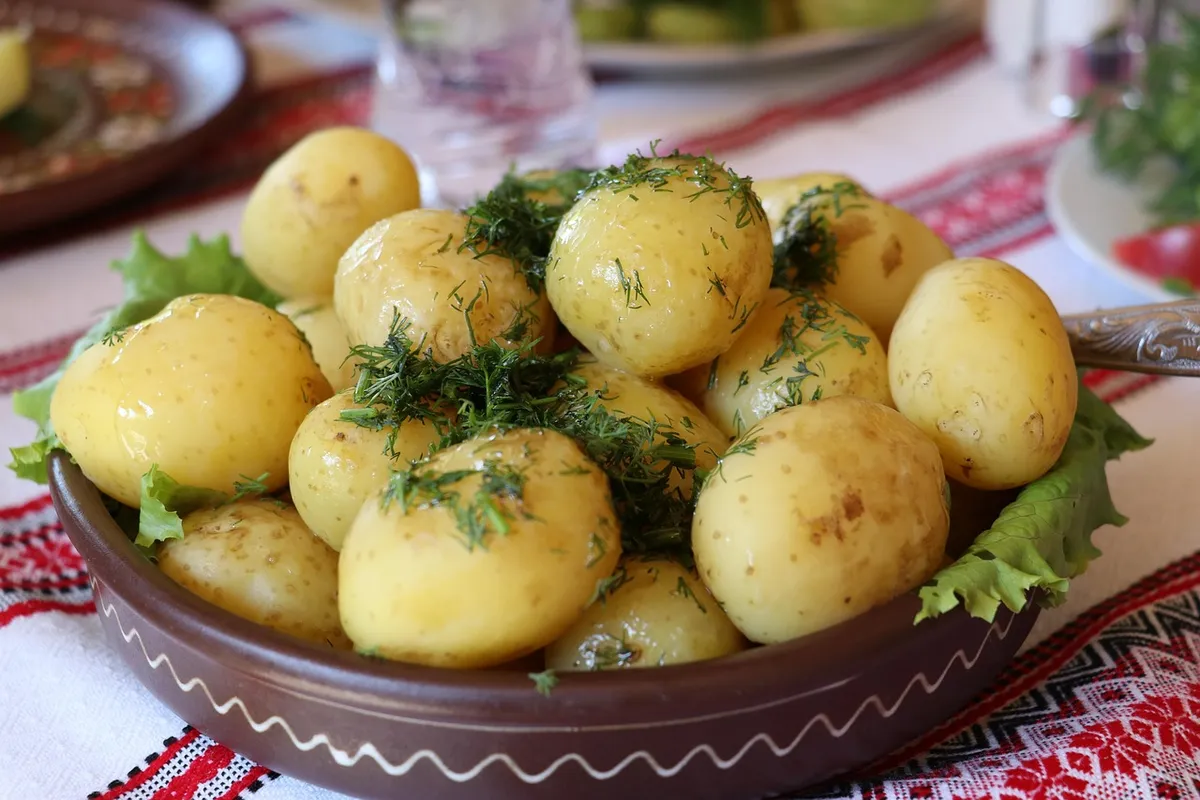
The shift from survival to modern dining has changed how these flavors are presented to the world. While modern supermarkets offer global variety, the core of the cuisine remains rooted in these traditional preservation techniques.
The specific nature of these flavors can be quite intense for those unaccustomed to fermented products. However, these methods were once the only way to ensure a reliable food supply throughout the year.
Authentic Icelandic cuisine is defined by its reliance on fermentation, smoking, and pickling to manage seasonal availability. You will find a heavy emphasis on fresh seafood, hearty lamb, and dairy products like skyr.
According to World Bank, the 2024 record includes 16.2%.
How has tourism changed what locals eat?
A waiter in a bustling Reykjavik cafe serves a diverse group of travelers, balancing traditional recipes with international trends. The native food guide for visitors often overlaps with the changing economy, as the tourism industry has grown to a significant portion of the national wealth.
According to the Icelandic Tourist Board, the total number of overnight stays by foreign visitors to Iceland grew from 595,000 in 2000 to 2.1 million in 2010, before rising to 4.4 million in 2014.
The influx of visitors has brought international ingredients and dining styles into the local scene, creating a hybrid culinary environment. While locals still maintain their traditional habits, the presence of global tastes is undeniable in major hubs.
The scale of this influence is massive. In 2025, the tourism industry accounted for 8.8% of Iceland's GDP, while the country received just under 2.3 million foreign overnight visitors. This economic weight means that food service is heavily geared toward meeting international expectations.
This shift can sometimes make it difficult to find purely traditional meals in tourist-heavy areas. The tension between maintaining heritage and serving a global audience is a constant feature of the modern dining landscape.
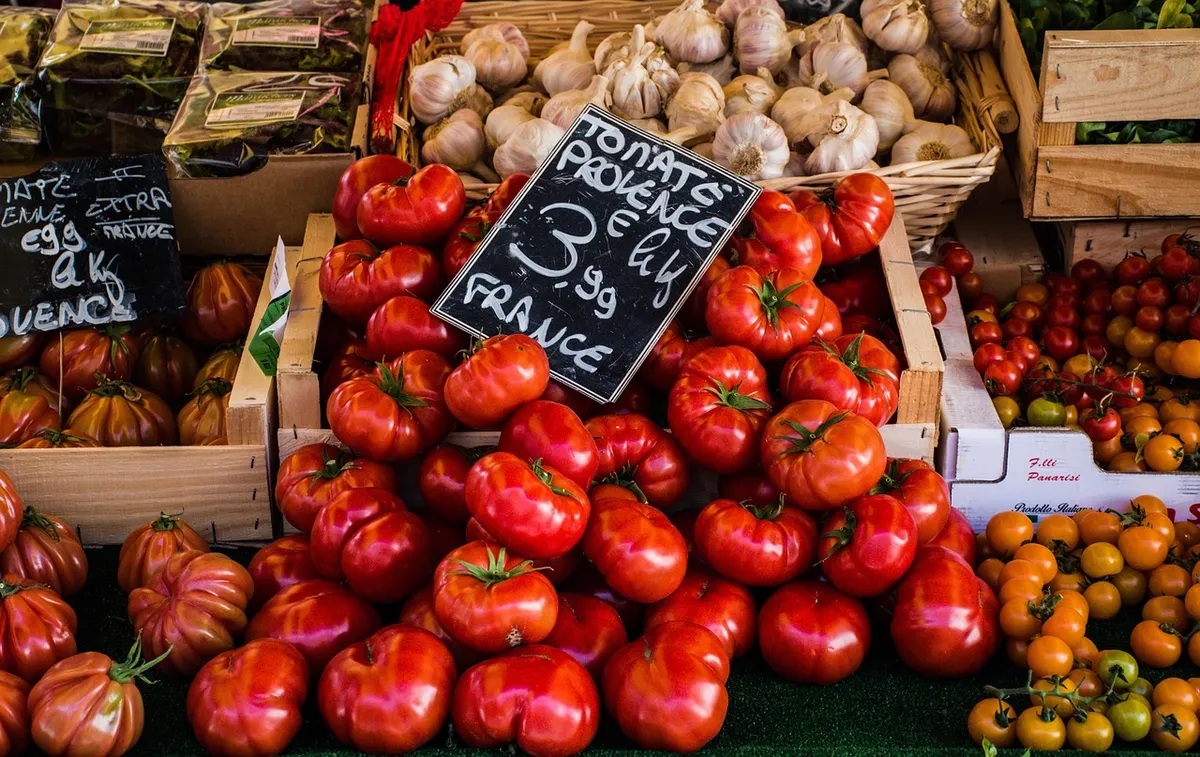
The influx of international visitors has introduced a wider variety of global cuisines to urban centers like Reykjavík. While traditional staples remain vital, restaurants now frequently blend local ingredients with international culinary trends to cater to diverse palates.
What are the must try island dishes for travelers?
A diner picks up a piece of dried fish, tasting the salt and the texture of the sea. To experience the must try island dishes, one must look for items that highlight the sea and the ability to preserve protein.
Many travelers seek out unique textures that are characteristic of the region. These foods are often the result of centuries of practice designed to keep food edible without modern refrigeration.
| Category | Traditional Method | Primary Source |
|---|---|---|
| Preserved Proteins | Drying and Fermentation | Sea and Livestock |
| Seasonal Staples | Pickling and Smoking | Limited Agriculture |
I found that comparing these traditional methods to modern supermarket availability helps clarify why certain flavors remain so distinct. Eating like a local often means embracing these specific, intense profiles.
A limitation of this culinary exploration is that many traditional items are highly specialized and may not be suitable for those with specific dietary sensitivities or those seeking fresh, modern vegetable-heavy meals.
Visitors should seek out fresh Atlantic cod, slow-roasted Icelandic lamb, and creamy skyr. For those seeking a true taste of tradition, fermented shark or dried fish provide a unique glimpse into the island's history of food preservation.
How can you learn about eating like a local?
A visitor sits in a small kitchen, learning the history of a recipe from a local resident. Deep dive into cuisine often starts with understanding the relationship between the people and their environment.
To truly understand the food, one must look at the history of the population and the shifts in their economy. The way people eat is a direct reflection of how they live and work.
- Research the history of preservation techniques used in the North Atlantic. 2. Identify the primary protein sources used in traditional recipes. 3. Compare traditional methods with modern commercial food availability. 4. Check the seasonal availability of ingredients when dining.
The intersection of history and economy provides the context for every meal. Understanding this allows for a more meaningful connection to the culture through its food.
To truly understand the local food culture, follow these steps: 1. Visit local fisheries and harbors to see the daily catch. 2. Shop at neighborhood markets to find seasonal produce and dairy. 3. Dine at small, family-run establishments rather than large tourist hubs.
Related
FAQ
How much of the land is used for agriculture?
Popular posts

7 Days in Iceland: See Glaciers, Aurora, and Hot Springs

80s Onward: Björk Fuses Vocals with Experimental Soundscapes

82% State Funding Supports Symphony's Cultural Journey

Comments 0