Iceland glacier sightseeing: 0.9 mm Guide to frozen terrains
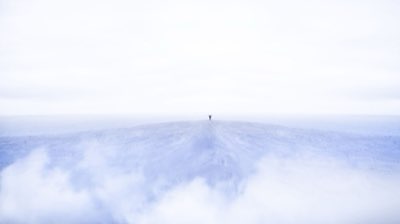
"The ice reaches toward the horizon, carving the very bones of the earth."
This guide provides essential context for understanding these frozen terrains and the practicalities of witnessing them.
Why is Iceland glacier sightseeing so popular?
A traveler stands before a massive wall of blue ice, feeling the cold wind sweep across the valley. The sheer scale of the frozen landscape draws visitors from around the globe to witness natural wonders.

According to the Icelandic Tourist Board, the total number of overnight stays by foreign visitors to Iceland grew from 595,000 in 2000 to 2.1 million in 2010, before rising to 4.4 million in 2014.
This surge in interest reflects a growing desire to see unique geological features firsthand.
The allure of the ice often stems from the dramatic interplay of light and texture. Many seek to understand the history of the land through these massive structures. One can observe how the ice has shaped the terrain over millennia.
How can one prepare for an Iceland ice landscape tour?
A hiker adjusts heavy boots and pulls a waterproof jacket tight against the biting air. Proper gear is essential when moving through rugged, icy environments.
Preparing for an Iceland ice landscape requires specific attention to safety and equipment. Because the terrain is often unpredictable, travelers must prioritize layered clothing and sturdy footwear.
- Invest in high-quality, waterproof outer layers to block wind and moisture. 2. Use traction devices like crampons to navigate slippery surfaces safely. 3. Always check local weather reports before heading toward any glacier.
A final check of all gear ensures that no essential item is left behind before departing for the field. I remember checking my crampons twice before stepping onto a frozen surface to ensure they were secure.
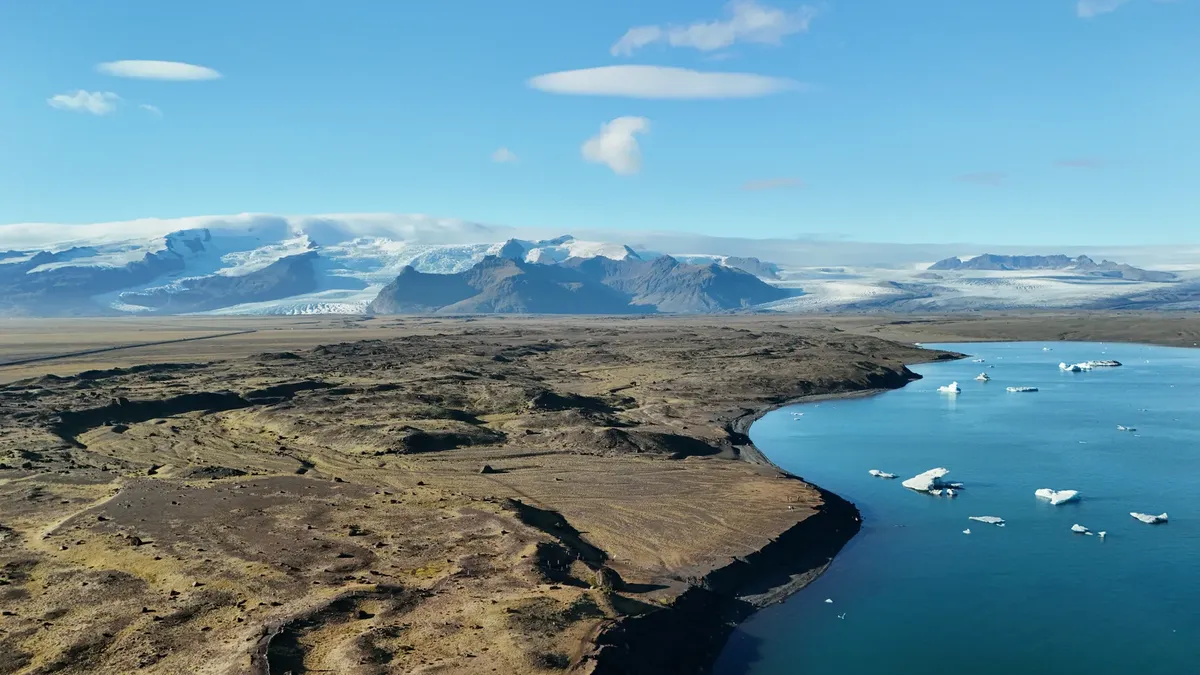
Which Iceland glaciers should I visit? A group of travelers gazes at a massive ice tongue stretching toward a dark coastline. Each destination offers a different perspective on the power of frozen water.
Finding the best Iceland glaciers often depends on whether one seeks hiking opportunities or mere visual splendor. Different regions provide varying levels of accessibility and dramatic scenery.
| Feature Type | Primary Interest |
|---|---|
| Glacial Hiking | Physical engagement and movement |
| Scenic Overlooks | Photography and panoramic views |
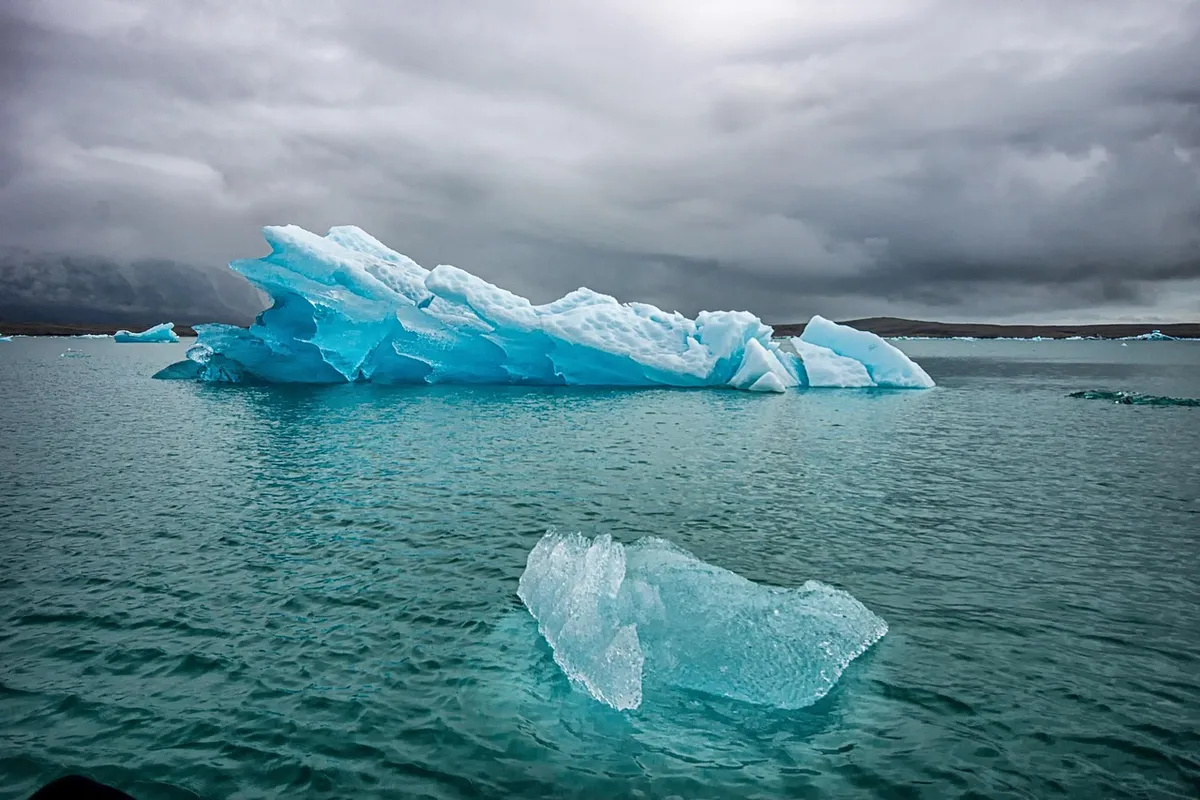
While viewing these giants, one must remain aware of the geological processes at play. The movement of ice can change the shape of the land over time.
How can you find the best Iceland glacier views?
A photographer adjusts the lens to capture the sharp contrast between white ice and dark rock. Seeking the perfect angle requires patience and an understanding of the terrain.
Achieving the best Iceland glacier views often involves timing the visit to coincide with specific lighting conditions. Early morning or late afternoon light can accentuate the textures of the ice.
For those interested in the history of these landscapes, literature can provide deep context. The first book, *Icelandic Ice Mountains*, was published by the Icelandic Literary Society in 2004 in cooperation with the Icelandic Glaciological Society and the International Glaciological Society.
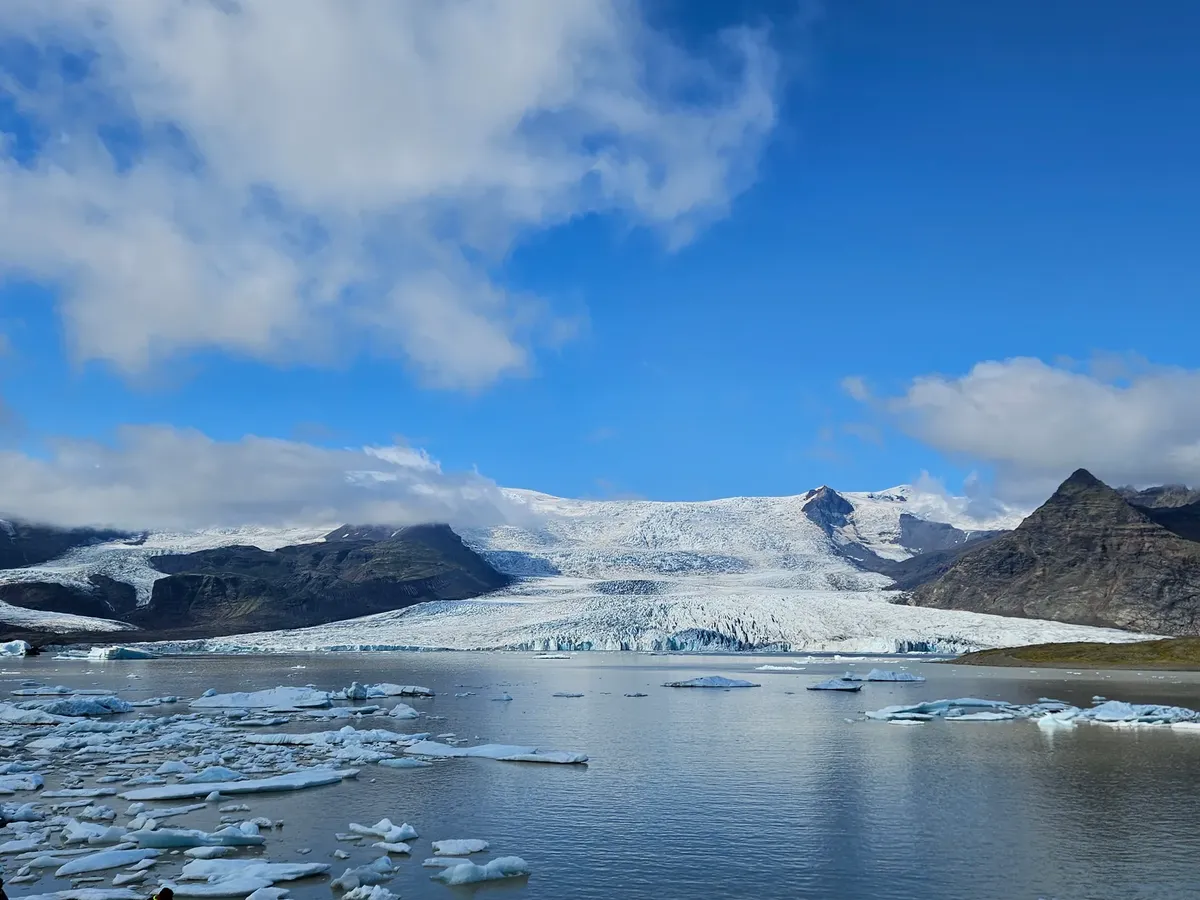
This historical perspective adds depth to the visual experience.
Looking for the perfect vantage point requires scouting the area for safe and clear sightlines. Some travelers prefer guided tours to reach more remote and spectacular locations.
What are the downsides of glacier tours? A guide points toward a receding ice wall, noting the changes in the landscape over the years. Environmental changes pose significant challenges to traditional sightseeing.
A major limitation of a glacier tour is the inherent instability of the environment. Glacial retreat and shifting ice can make certain paths dangerous or inaccessible.
One specific limitation is that the accessibility of certain areas is strictly governed by seasonal melting and ice thickness. For example, the erosion rate of the cirque glacier was 0.9 mm/year, illustrating how much these environments change.
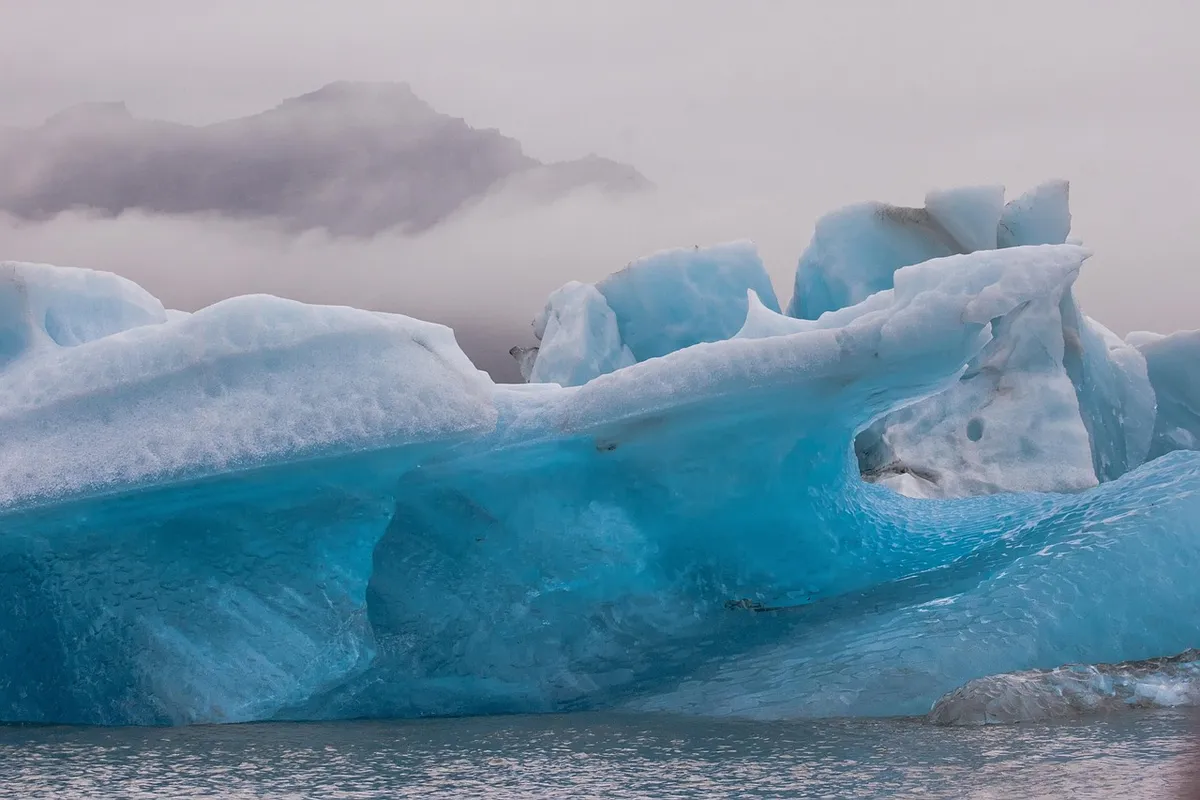
- Iceland glacier sightseeing offers a profound encounter with shifting landscapes and ancient ice.
- Travelers should focus on seasonal changes, prepare for unpredictable weather, and respect the geological fragility of the environment.
- The popularity of these frozen landscapes is evident in historical travel trends.
The subject here is Iceland glacier sightseeing.
The same subject is also called Glacier tour Iceland.
This part also covers Tips for glacier tours.
This part also covers How to see glaciers.
This part also covers Glacier viewing guide.
Tips for glacier tours
Related
- How did the public respond to proposed loans?
- UK public funds Iceland crisis: Scale of losses revealed
What cautions must visitors observe regarding the ice reaches?
Visitors must observe cautions regarding the ice reaches because the environment is inherently dynamic. The movement of the glacier dictates the safety of the journey.
- Always heed warnings from local guides regarding unstable formations. 2. Be mindful that the ice reaches toward the horizon, showing signs of constant movement. 3. Recognize that the visual grandeur masks underlying geological activity.
These cautions are vital for a safe and meaningful experience. The ice reaches toward the horizon, a visual testament to slow but relentless planetary forces.
What considerations apply to the ice toward the horizon?
Considerations regarding the ice toward the horizon relate to the scale and age of the formations. The sheer mass of the ice suggests deep time scales.
- The formations represent millennia of accumulation and compression. 2. The visual contrast between the ice and surrounding rock highlights geological contrast. 3. Understanding this scale enhances appreciation for the Earth's slow processes.
The ice reaches toward the horizon, offering a visual metaphor for deep time. This vastness underscores the power of glacial erosion.
FAQ
How many tourists visited in 2020?
Popular posts
7 Days in Iceland: See Glaciers, Aurora, and Hot Springs

80s Onward: Björk Fuses Vocals with Experimental Soundscapes

82% State Funding Supports Symphony's Cultural Journey

Comments 0