Icelandic Food: Sourcing Local Ingredients for Your Trip
"To eat in Iceland is to taste the tension between a harsh volcanic landscape and the ingenuity required to survive it."
If you walk into a restaurant in Reykjavik, you might see a menu that looks like a modern European bistro, but look closer at the ingredients. You are looking at the result of a culture that learned to turn limited, rugged resources into something profound.
Key Takeaways * Master the balance between high-end dining and budget-friendly supermarket hauls. * Learn to identify premium local proteins like Icelandic lamb and fresh Atlantic seafood. * Navigate the price differences between Reykjavik and rural regions like the Westfjords.
* Understand how to use local staples to cook meaningful meals in your rental car or Airbnb.
Why Go Beyond Tourist Fare? The Philosophy of Modern Icelandic Cuisine
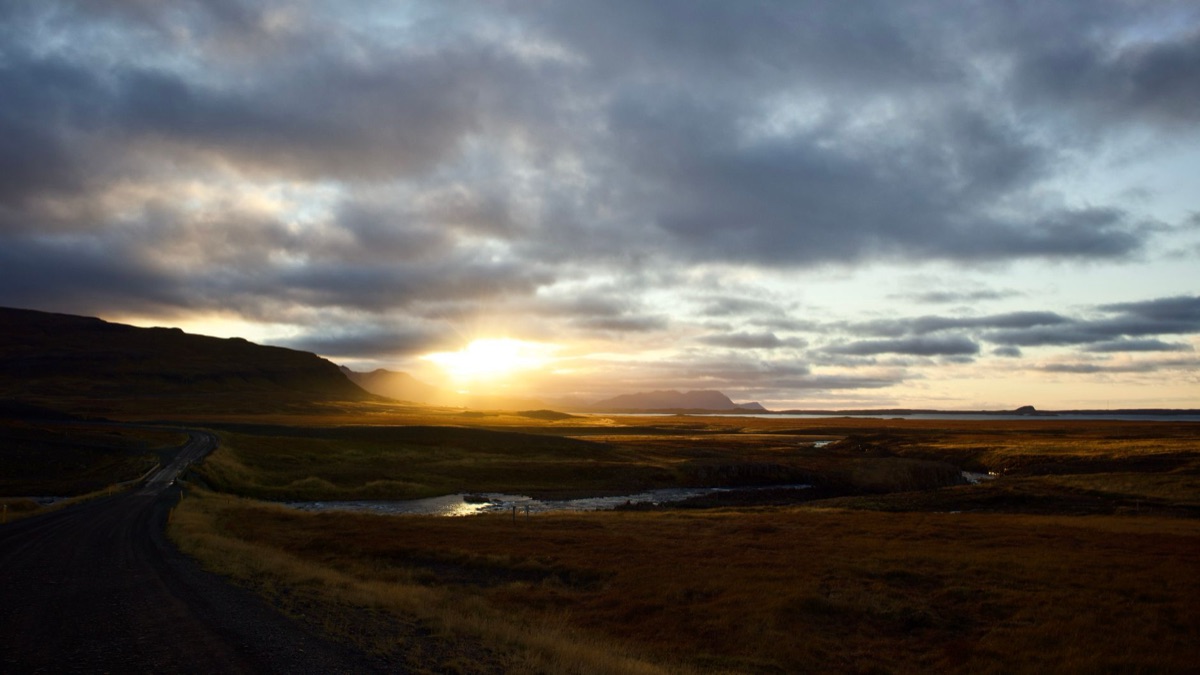
The sun hangs low over the harbor in Reykjavik as a chef carefully plates a piece of salt-crusted cod. There is no vast fertile plain here; instead, there is the constant presence of the North Atlantic and the heat of the earth beneath the pavement.
According to the Icelandic Tourist Board, the total number of overnight stays by foreign visitors to Iceland grew from 595,000 in 2000 to 2.1 million in 2010, before rising to 4.4 million in 2014.
Modern Icelandic cuisine is a response to geography. For centuries, survival meant preservation—fermenting, drying, and salting everything to endure the long winters. Today, that survivalist instinct has evolved into a culinary movement that prizes purity and local sourcing above all else.
While the country has a relatively small agricultural footprint, with the World Bank noting that Iceland recorded an agricultural land share of 16.2% in 2023, that limited space is used with extreme intention.
Because much of the food must be grown or harvested within a specific, controlled environment, the flavors are concentrated. You aren't just eating a meal; you are eating the minerals of the volcanic soil and the salt of the ocean.
This transition from "survival food" to "gourmet food" is why a simple piece of lamb can taste vastly different from any other sheep you have encountered.
The next time you look at a menu, don't just look for the most expensive item; look for the ingredient that defines the region you are currently standing in.
But how do you actually find these ingredients without spending your entire travel budget in a single afternoon?
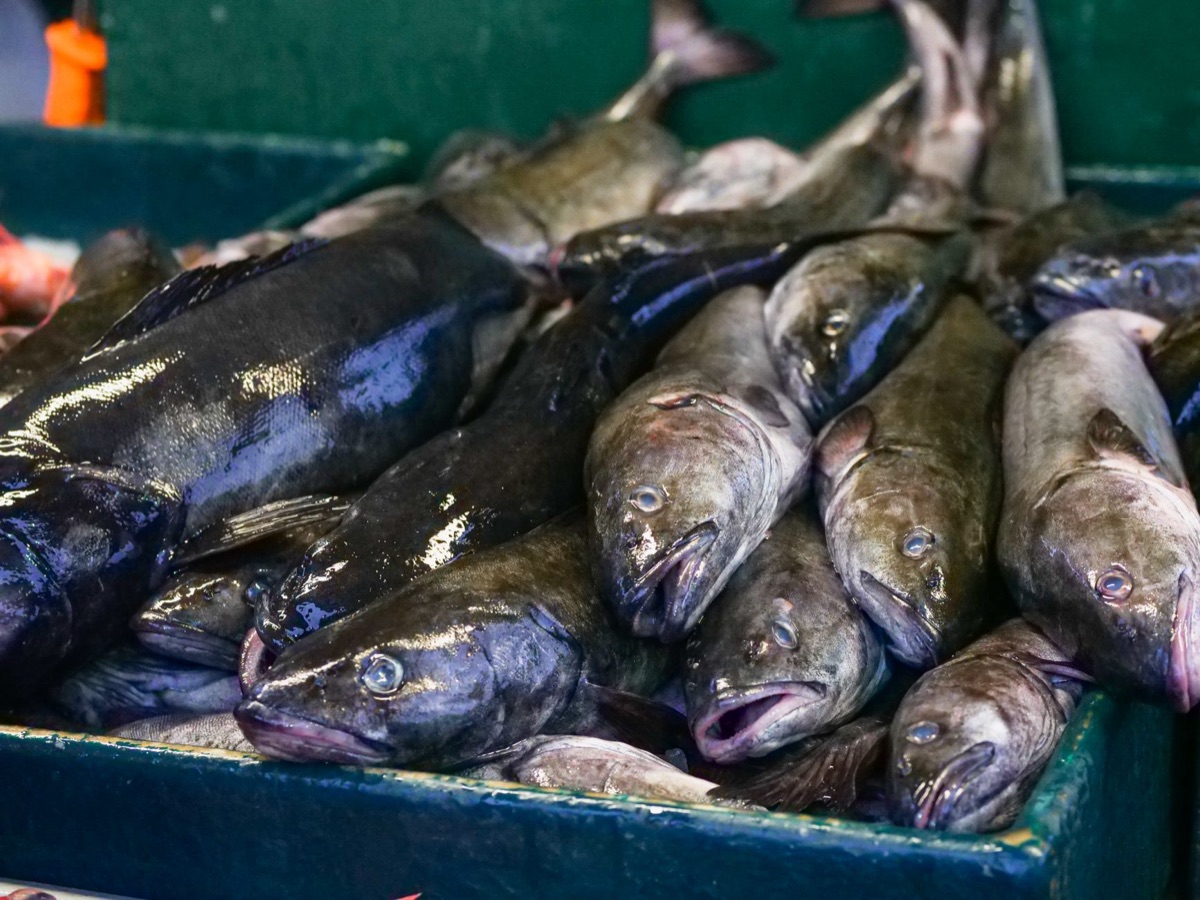
Where can I find local food and supplies? I stood in the middle of a brightly lit supermarket aisle in Akureyri, staring at a wall of various dairy products, wondering how to navigate the sheer cost of a simple grocery list. It is easy to feel overwhelmed when a basic shopping trip can quickly escalate in price.
According to a 2013 Eurostat report by the European Commission, Iceland spends around 3.11% of its GDP on scientific research and development (R&D), over 1 percentage point higher than the EU average of 2.03%, and has set a target of 4% to reach by 2020.
To manage your budget, you must know your way around the local chains. In Iceland, you will primarily encounter Bónus and Krónan. Bónus is famous for its pink pig logo and is generally the go-to for budget-conscious travelers looking for staples.
Krónan often offers a slightly wider selection of fresh produce and deli items, often serving as a middle ground between a discount shop and a full-service supermarket.
When you are shopping, look for these specific items to bring a taste of Iceland into your rental car or kitchen: * Icelandic Lamb: Often free-roaming and fed on wild herbs, this meat is lean and uniquely flavorful.
* Skyr: While technically a dairy product, this thick, high-protein cultured dairy is a staple for breakfast. * Fresh Seafood: Cod, arctic char, and langoustine are often much fresher and better quality than what you find in the States.
If you are staying in a rental car or a remote cottage, a well-stocked pantry is your best friend.
Self-Guided Food Tour Shopping List: 1. A large tub of Skyr (plain is best for versatility). 2. High-quality Icelandic butter (rich and creamy). 3. Smoked lamb or dried fish (Harðfiskur) for easy protein. 4. Local rye bread (Rúgbrauð), often baked in geothermal heat. 5. Seasonal root vegetables.
However, knowing what to buy is only half the battle; you also have to know where to eat it.
How do I navigate the dining scene? The steam from a hot dog stand in downtown Reykjavik rises into the chilly evening air, attracting a him of locals and tourists alike. It is a strange sight—the most famous "restaurant" in the city often looks like a simple kiosk.
Dining in Iceland exists on a wide spectrum. On one end, you have the high-end tasting menus in Reykjavik that celebrate Nordic minimalism. On the other, you have the legendary hot dog stands. You should try both.
The hot dogs (pylsur), made with a blend of Icelandic lamb, beef, and pork, are a cultural touchstone and a way to eat well without breaking the bank.
When deciding where to eat, pay attention to the setting. In Reykjavik, prices are naturally higher due to the density of tourism and the concentration of service workers.
As you move toward smaller towns along the Ring Road, you might find that prices stay high due to import costs, but the atmosphere becomes much more intimate.
Be wary of "tourist traps"—restaurants located directly next to major landmarks that offer generic international fare. If a menu offers everything from pizza to sushi to burgers, it is likely not utilizing the local ingredients that make Iceland special.
Look for places that focus on a limited, seasonal menu.
But what if you aren't in a restaurant at all, but rather in a remote cabin with nothing but a stovetop?
From Farm to Table: Utilizing Local Ingredients (The Cooking Guide)
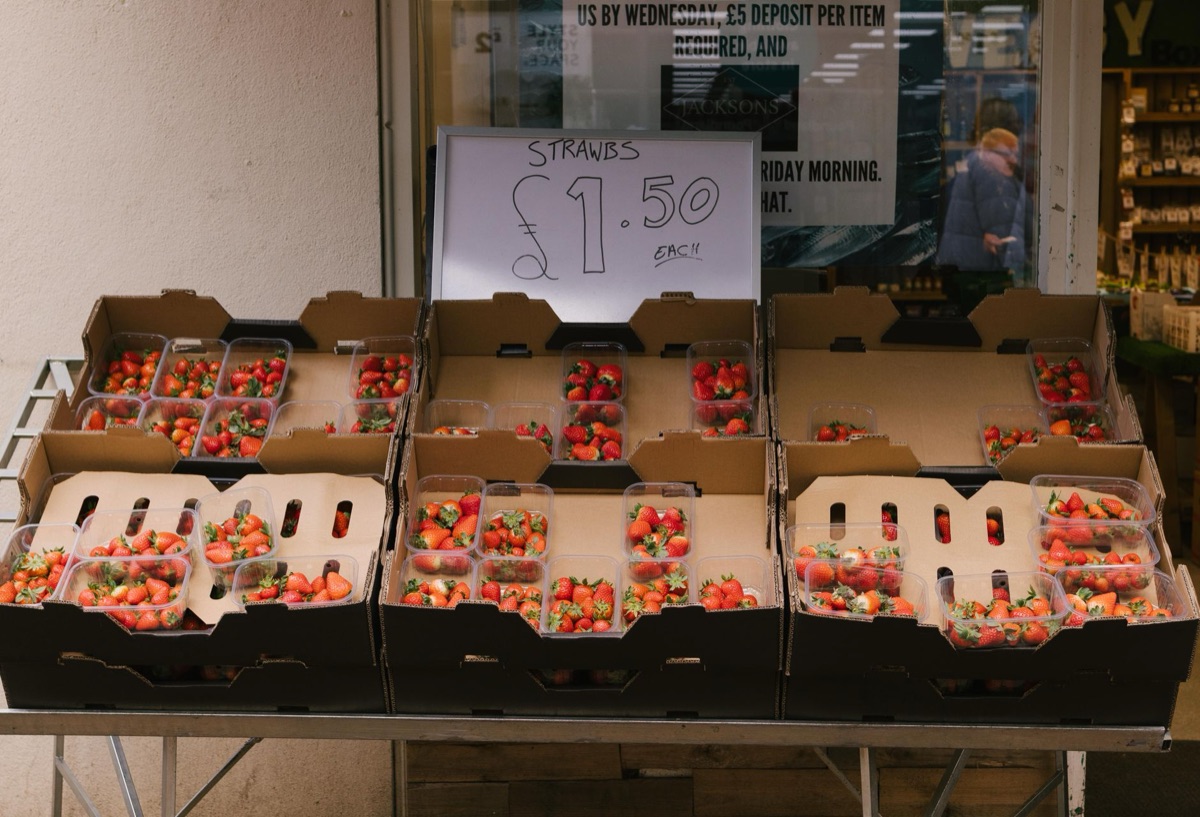
I remember sitting in a small kitchen in a seaside village, peeling a potato while the smell of salt air drifted through the window. I had a piece of fresh arctic char and a loaf of dark rye bread, and it felt like the most luxurious meal I had ever had.
To cook like a local, you need to understand the core ingredients. Icelandic cuisine is built on a foundation of seafood, lamb, and dairy. Because of the limited growing seasons, you will often find that vegetables are hearty and root-based.
The Modern Icelandic Cooking Guide
| Ingredient Type | What to Look For | Best Preparation |
|---|---|---|
| Seafood | Arctic Char, Cod, Haddock | Pan-seared with butter or baked in foil |
| Meat | Icelandic Lamb | Roasted with herbs or slow-cooked stews |
| Dairy | Skyr, Icelandic Butter | Skyr as a breakfast base; butter for finishing |
| Grains/Bread | Rúgbrauð (Rye Bread) | Toasted with thick butter and smoked meat |
Simple Recipe Idea: The Icelandic Coastal Plate If you have access to a stove in your accommodation, try this: 1. Sear a fillet of local fish (like Arctic Char) in a pan with plenty of Icelandic butter. 2. Serve alongside a slice of warm, dense rye bread. 3.
Add a side of simple, salted root vegetables.
This method honors the ingredient without masking it. The goal is to let the natural salinity of the fish and the richness of the butter do the work. For a more traditional touch, you can experiment with fermented or dried elements, but always balance them with something fresh or creamy.
This level of quality is incredible, but there is a catch that every traveler must face.
The Economics of Eating in Iceland: Budgeting & Reality Check
A single meal for two at a mid-range restaurant in Reykjavik can easily cost as much as a full day of activities in other parts of Europe. It is a sobering realization when you look at your bank account after a week of dining out.
According to World Bank data, Iceland recorded an agricultural land share of 16.2% in 2023.
The cost of living in Iceland is high, and food is a significant portion of that. Because the country is an island with a small-scale production base, almost everything—from citrus fruits to certain grains—must be imported. This drives up the price of "non-local" items significantly.
To maximize your budget, follow the "one-meal rule." Eat a hearty, locally sourced breakfast or lunch (perhaps a soup or a sandwich from a local deli) and plan for one significant, high-quality dinner.
By utilizing supermarkets like Bónus for your breakfast and lunch supplies, you can save enough to enjoy a truly spectacular fine-dining experience in the evening.
Remember that you are paying for the logistical challenge of bringing food to a remote island. While it may seem expensive, the quality of the proteins you are consuming often justifies the price.
Note that these tips apply best to travelers staying in accommodations with kitchen access. If you are staying in high-end hotels without mini-fridges, your ability to utilize supermarket staples will be limited by the lack of storage.
#
FAQ
아이슬란드 식문화의 핵심적인 특징은 무엇인가요?
아이슬란드 여행 시 식재료를 찾을 때 고려해야 할 점은 무엇인가요?
아이슬란드 식문화가 현대에 이르러 어떻게 변화했나요?
Related posts

IMF Intervention: 18% Rates and the Strain on Foreign Funds

High Interest Rates Stabilized Iceland Post-Banking Failure
Iceland Winter: Pursuing the Aurora Beyond Tourist Crowds

Iceland in July: Unlock 24 Hours of Golden Daylight
Popular posts

7 Days in Iceland: See Glaciers, Aurora, and Hot Springs

80s Onward: Björk Fuses Vocals with Experimental Soundscapes

82% State Funding Supports Symphony's Cultural Journey

Comments 0