How did the public respond to proposed loans?
"The Icelandic government had a relatively healthy balance, with sovereign debt of 28% of GDP and a budget surplus of 6% of GDP (2007)."
The shift from a surplus to a massive deficit defined the era of the Iceland debt crisis policy. This transition saw sovereign debt climb from a manageable level to a staggering percentage of the national economy.
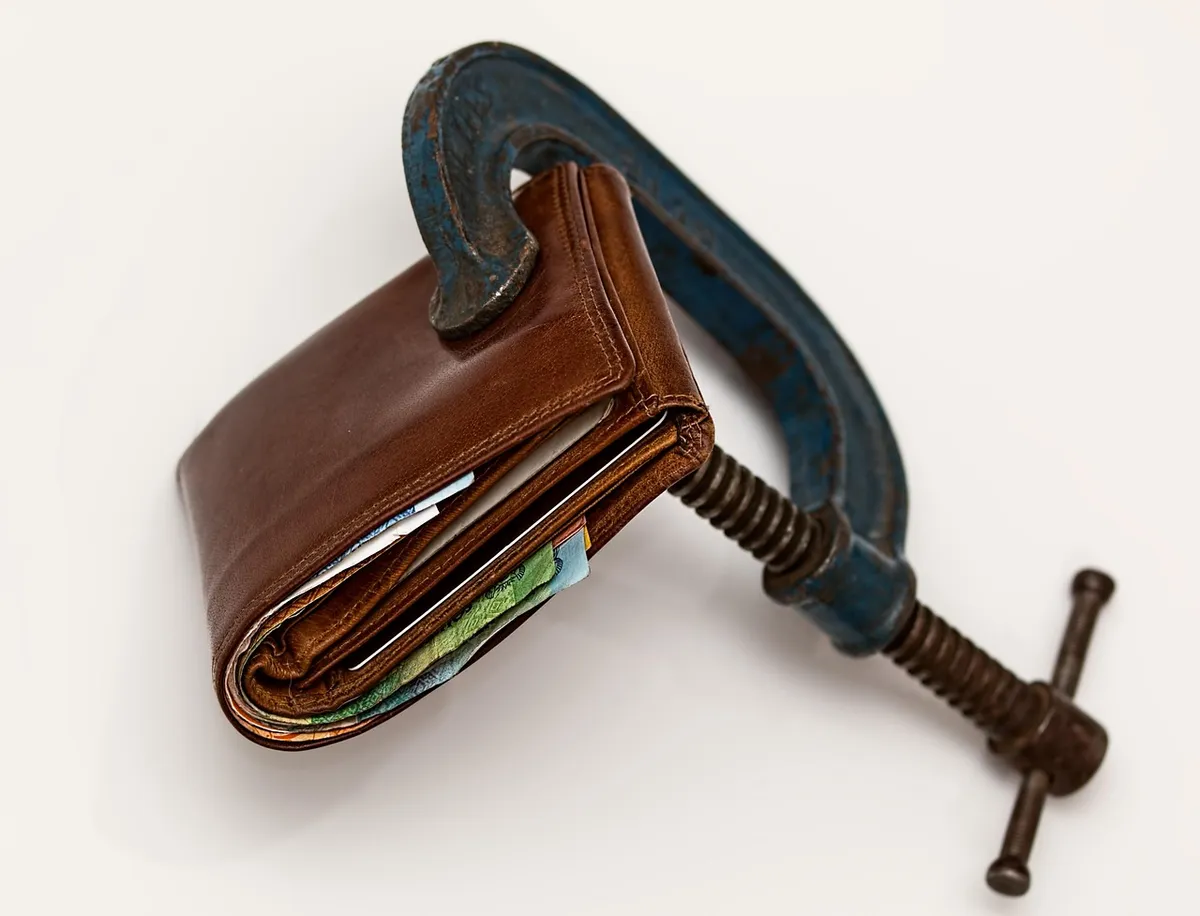
Key takeaways: * Pre-crisis stability featured a 6% budget surplus and 28% debt-to-GDP ratio in 2007. * By 2011, debt rose to an estimated 130% of GDP with a 6% budget deficit. * Public resistance played a role in determining the path of fiscal recovery.
How did the economic landscape shift?
In a quiet Reykjavik office, a clerk stares at the plummeting figures on a ledger, feeling the cold chill of a changing Iceland.
A desk in Reykjavik sits silent as officials review the drastic changes in the national ledger. In 2007, the nation maintained a healthy financial standing with a 28% debt-to-GDP ratio and a 6% budget surplus.
This stability vanished during the financial collapse, leading to a massive restructuring of the national economy.
This era of Nation debt management required a complete overhaul of previous fiscal assumptions.
What role did international organizations play? Iceland debt crisis policy
An official meeting room hosts representatives from global financial institutions during a period of intense negotiation. In October 2008, a team of experts from the International Monetary Fund (IMF) arrived in Iceland to hold talks with the government.
These discussions were part of a broader effort to manage the fallout of the banking collapse. The presence of international experts highlighted the scale of the crisis and the need for a coordinated Financial crisis response.
How did the public respond to proposed loans?
A polling station stands empty after a decisive vote that changed the country's trajectory. When the IMF offered a loan intended to bail out the banks, the proposal met significant public resistance.
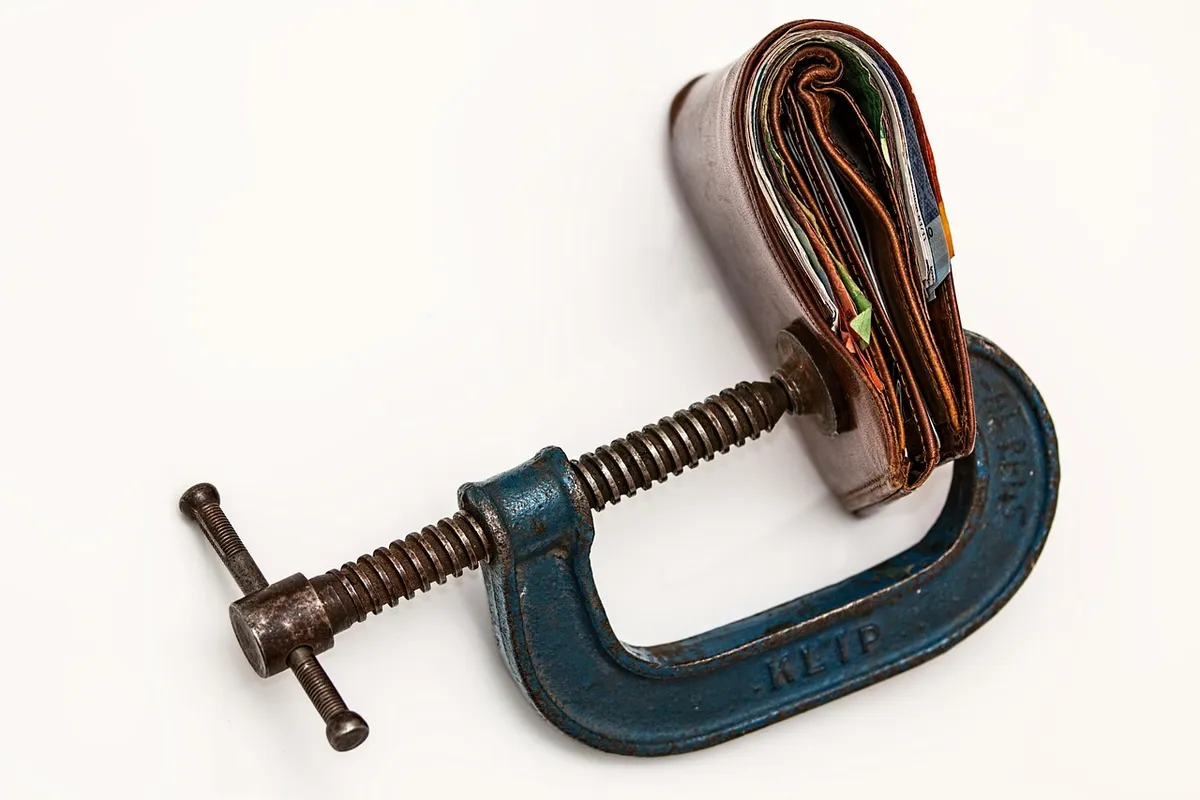
In the 2010 Icelandic loan guarantees referendum, the loan was overwhelmingly rejected. This decision shaped the unique Economic recovery plan that followed, as the public exercised direct democratic control over fiscal terms.
How was leadership held accountable?
A legislative chamber hums with tension as reports on government conduct are released to the public. In April 2010, the Special Investigative Commission released a report regarding the financial collapse.
According to the Special Investigative Commission, Geir was strongly criticized in the April 2010 report of the Special Investigative Commission into the financial collapse, being accused of "negligence" along with three other ministers of his government.
The report was critical of the administration, noting that Geir was strongly criticized and accused of "negligence" alongside three other ministers. This accountability process was a central part of the post-crisis era.
What were the specific terms of the proposed assistance?
A contract sits on a wooden table, detailing the complexities of international lending. The proposed loan structure included specific interest rate requirements to ensure stability.
The terms indicated the loan would be given across three or four years, with an interest rate of 30 to 50 basis points (0.3% to 0.5%) above LIBOR.
Comparison of Fiscal Health: 2007 vs. 2011
A spreadsheet compares the sudden change in the nation's economic health over a few years. According to World Bank data, Iceland recorded international tourist arrivals of 488,000 in 2020.
| Metric | 2007 Status | 2011 Estimated Status | | :--- much | :--- | :--- | | Sovereign Debt (% of GDP) | 28% | 130% | | Budget Balance (% of GDP) | 6% Surplus | 6% Deficit |
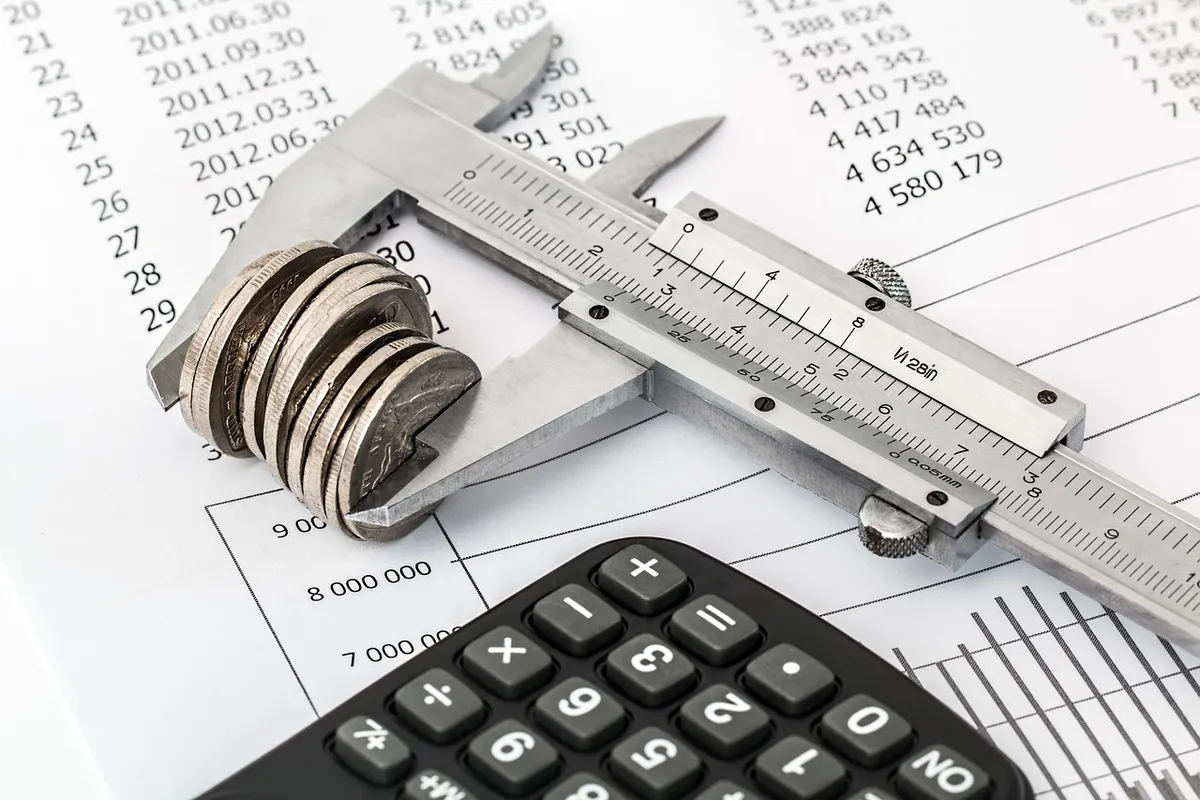
I looked at these figures to understand how quickly a surplus can transform into a crisis.
- How did the economic landscape shift?
- What role did international organizations play?
- How did the public respond to proposed loans?
The subject here is Iceland debt crisis policy.
The same subject is also called Iceland fiscal policy.
This part also covers Iceland budget review.
This part also covers Sovereign debt handling.
This part also covers Post-crisis fiscal measures.
Iceland budget review
Related
- UK public funds Iceland crisis: Scale of losses revealed
- How has Iceland maintained its Eurovision presence?
What caused the shift in the Icelandic government balance?
The shift occurred when the 2007 surplus of 6% transformed into a 6% deficit by 2011. This transition saw the sovereign debt move from 28% of GDP to an estimated 130% of GDP.
- The 2007 budget surplus of 6% provided a healthy balance. 2. The financial collapse caused the debt to climb to 130% of GDP. 3. The resulting 6% deficit defined the era of the debt crisis.
How did the loan terms affect the recovery?
The loan terms required an interest rate of 30 to 50 basis points above LIBOR. This specific condition meant that delays in securing these terms prevented loans from other countries from being secured until the IMF program was approved.
Because the 2010 referendum rejected the loan, the recovery plan had to adjust to the public's decision. The comparison between the 2007 stability and the 2011 crisis shows how much the debt-to-GDP ratio changed.
What were the consequences of the debt transition?
The transition from a 28% debt-to-GDP ratio in 2007 to a 130% debt-to-GDP ratio by 2011 created a massive shift in the Icelandic government balance. This change turned a 6% budget surplus into a 6% budget deficit.
- The 2007 surplus provided a healthy balance before the collapse. 2. The debt climbed to 130% of GDP by 2011. 3. The 6% deficit followed the rise in sovereign debt.
How did the interest rate conditions impact the timeline?
The interest rate was set at 30 to 50 basis points above LIBOR. Because of the specific conditions regarding these rates, loans from other countries could not be secured until the IMF program was approved.
This delay occurred because the terms required approval before other funding could be obtained. The comparison between the 2007 stability and the 2011 crisis highlights how these conditions shaped the recovery period.
FAQ
What was the debt level in 2011?
Related posts

UK public funds Iceland crisis: Scale of losses revealed

How has Iceland maintained its Eurovision presence?

Iceland bank debt crisis: Protect deposits with these tips

Iceland tourism guide: 595,000 to 4.4 million stays
Popular posts

7 Days in Iceland: See Glaciers, Aurora, and Hot Springs

80s Onward: Björk Fuses Vocals with Experimental Soundscapes

82% State Funding Supports Symphony's Cultural Journey

Comments 0