Iceland tourism guide: 595,000 to 4.4 million stays
"The number of overnight stays by foreign visitors grew from 595,000 in 2000 to 2.1 million in 2010, before rising to 4.4 million in 2014."
The Iceland tourist influx growth has historically demonstrated significant upward momentum through rising overnight stays. This analysis examines the expansion of the travel sector and the resulting economic shifts within the nation.
Key takeaways include the massive scale of growth in foreign stays between 2000 and 2014, the subsequent impact of global events on arrival numbers, and the current economic standing of the country.
How did the Iceland tourist influx growth manifest in overnight stays?
A traveler stands at the edge of a black sand beach, looking toward the horizon where the sky meets the Atlantic. The rapid expansion of the tourism sector is evident in the historical data regarding visitor stays.
According to the Icelandic Tourist Board, the total number of overnight stays by foreign visitors to Iceland grew from 595,000 in 2000 to 2.1 million in 2010, before rising to 4.4 million in 2014.
This trajectory shows a consistent increase in the volume of visitors choosing to stay within the country over a fourteen-year period.
As the wind picks up, the sheer scale of these numbers suggests a profound shift in how the nation engages with international travelers.
What were the visitor numbers during the 2020 period?
An empty terminal sits quiet under the dim lights of a North Atlantic airport. While the growth was once rapid, the sudden shift in global mobility caused a significant change in visitor patterns.
Iceland visitor numbers rise and fall based on global stability and health trends. According to World Bank data, Iceland recorded international tourist arrivals of 488,000 in 2020. This figure reflects the impact of the global pandemic on international travel.
The stillness of the empty gates serves as a reminder of how external factors can rapidly alter the influx of guests.
What is the current economic standing of the country?

A local resident walks through a bustling street in Reykjavik, observing the modern infrastructure. The growth in tourism has coincided with significant shifts in the national economy.
According to the World Tourism Organization, Macau is currently rated as one of the world's top tourism destinations.
Icelandly travel boom data often intersects with the country's broader economic health. According to World Bank data, Iceland recorded GDP per capita of US$98,323 in 2025. This indicates a high level of individual economic output within the nation.
Watching the commerce move through the streets, one can see the results of decades of economic evolution.
How does the foreign guest count increase relate to the economy?
A businessman reviews financial reports on a tablet while sitting in a quiet cafe. Understanding the relationship between travel and wealth requires looking at both visitor numbers and per capita figures.
The foreign guest count increase has historically contributed to the nation's economic profile. While the visitor numbers changed, the economic strength remained a distinct metric. For instance, the rise in overnight stays preceded much of the current economic standing.
The numbers on the screen provide a clear picture of the nation's financial trajectory.
What are the implications of the Iceland travel boom data for the future?
A tour guide gathers a group of hikers near a volcanic site, preparing for the day's journey. The historical trends provide a foundation for understanding how the industry might continue to evolve.
The Iceland travel boom data shows a period of intense growth that transformed the local landscape. By comparing the 2000 levels to the 2014 peaks, the scale of the change becomes clear.
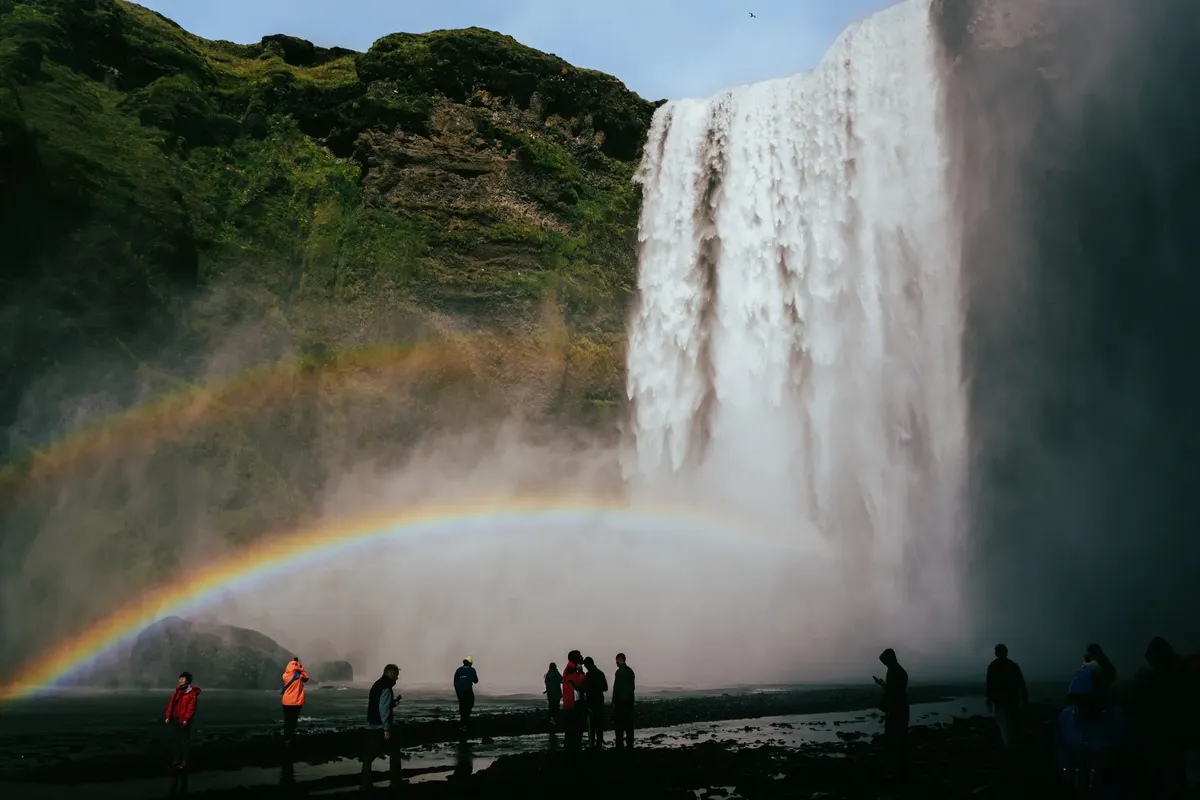
The group begins their trek, moving toward the rugged terrain that draws them there.
- How did the Iceland tourist influx growth manifest in overnight stays?
- What were the visitor numbers during the 2020 period?
- What is the current economic standing of the country?
The same subject is also called Tourist arrivals record high.
This part also covers Iceland economy tourism impact.
This part also covers 2017 visitor record analysis.
This part also covers Sustainable tourism growth.
Iceland economy tourism impact
Related
- Iceland budget crisis analysis: Facing the financial reality
- Iceland Eurovision history: Tips on musical journey
How did the growth in the number of overnight stays compare to the 2020 arrivals?
The comparison between the peak number of overnight stays and the 2020 arrivals highlights the vulnerability of the sector to global events. The 2014 high of 4.4 million in the number of overnight stays contrasts sharply with the 488,000 international tourist arrivals recorded in 2020.
This difference illustrates the extreme sensitivity of the market to worldwide conditions.
The sustained growth leading up to 2014 demonstrates a robust attraction for international visitors. Conversely, the 2020 figure reflects a sudden constraint on international travel patterns. The number of overnight stays experienced a drastic reduction during that year.
What is the relationship between the number of overnight stays and GDP per capita?
The relationship between the number of overnight stays and GDP per capita suggests that high visitor volume contributes to the national economic profile. The GDP per capita figure of US$98,323 in 2025 reflects the economic output occurring alongside the tourism influx.
The number of overnight stays serves as a metric reflecting the international engagement contributing to that overall wealth.
This connection shows how the travel sector mirrors the broader economic health of the nation. The high visitor count correlates with the strong per capita economic indicator. Both metrics paint a picture of the country's successful integration into global markets.
FAQ
What were the international tourist arrivals in 2020?
Related posts

Iceland budget crisis analysis: Facing the financial reality

Iceland Eurovision history: Tips on musical journey
Iceland bank debt vs GDP: 24 hours Government intervention

How did the Icelandic króna value drop affect the economy?
Popular posts
7 Days in Iceland: See Glaciers, Aurora, and Hot Springs

80s Onward: Björk Fuses Vocals with Experimental Soundscapes

82% State Funding Supports Symphony's Cultural Journey

Comments 0