Iceland food and grocery guide: Tips for budgeting your trip
"The cost of living in a remote island nation can be as unpredictable as its weather, making preparation essential for any traveler."
Planning an Iceland food and grocery guide requires understanding both the local economic climate and the unique availability of fresh goods. This guide helps you manage your budget, navigate grocery shopping, and understand the pricing landscape of the country.
You will learn about inflation trends, land use for food production, and how to handle supermarket logistics.
What is the economic reality of an Iceland food and grocery guide?
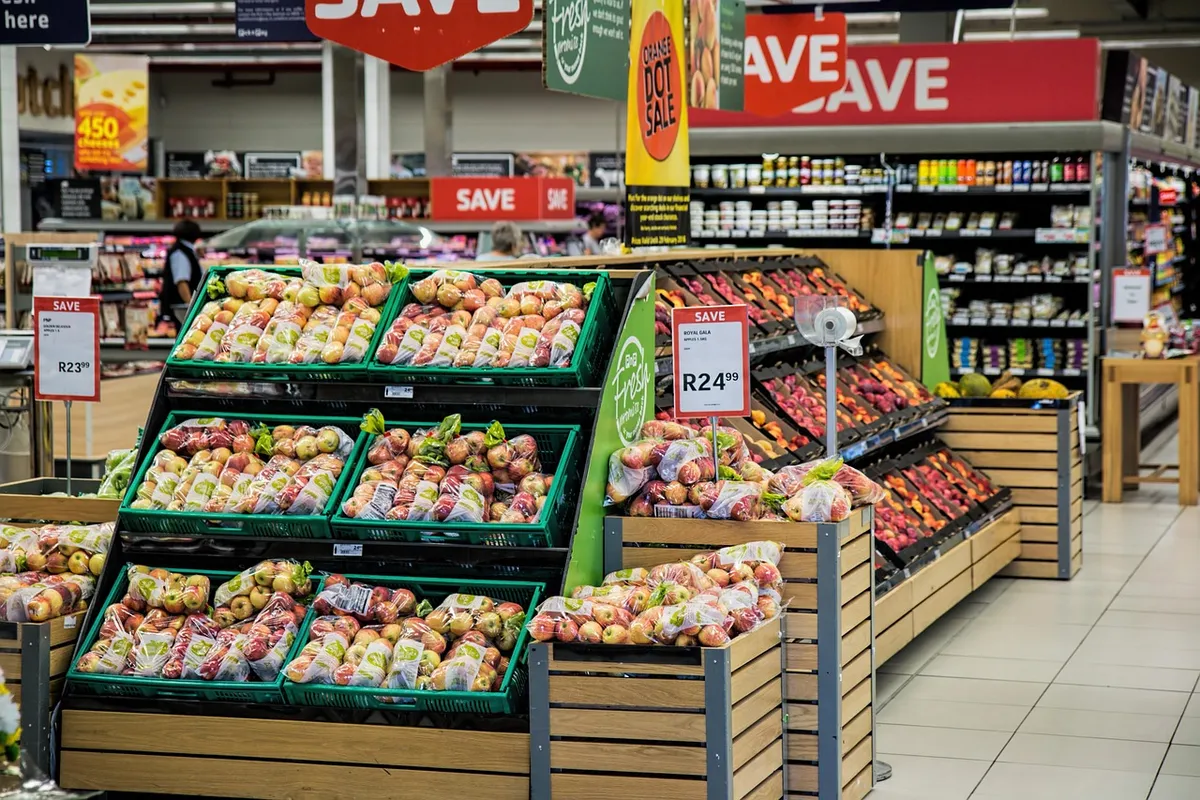
At dusk in a Reykjavik market, I grip a cold receipt while contemplating the high costs of an Iceland food and grocery guide.
According to World Bank data, Iceland recorded inflation (consumer prices) of 4.1%.
A traveler walks through a brightly lit Reykjavik grocery store, observing the price tags on imported goods. Understanding the financial background of the region is the first step in budgeting for a trip.
According to World Bank data, Iceland recorded inflation (consumer prices) of 4.1% in 2025. This upward trend in consumer prices suggests that food costs may fluctuate based on global supply chains and local economic shifts.
Budgeting for an Iceland food and grocery guide means accounting for these price increases when planning daily meals.
The agricultural landscape also plays a role in what you find on the shelves. According to World Bank data, Iceland recorded an agricultural land share of 16.2% in 2024.
This limited land availability often means that many fresh products are imported, which can influence the overall cost of living tips for visitors.
Understanding the economic reality requires recognizing that food prices are heavily influenced by import costs and high operational expenses within the country.
How does local production affect Icelandic food and prices?
In the chilly morning air of a greenhouse, I touch the damp soil while studying how local production affects Icelandic food and prices.
A farmer inspects the soil in a greenhouse, where much of the local produce is grown despite the rugged terrain. The balance between domestic and imported goods defines the grocery experience.
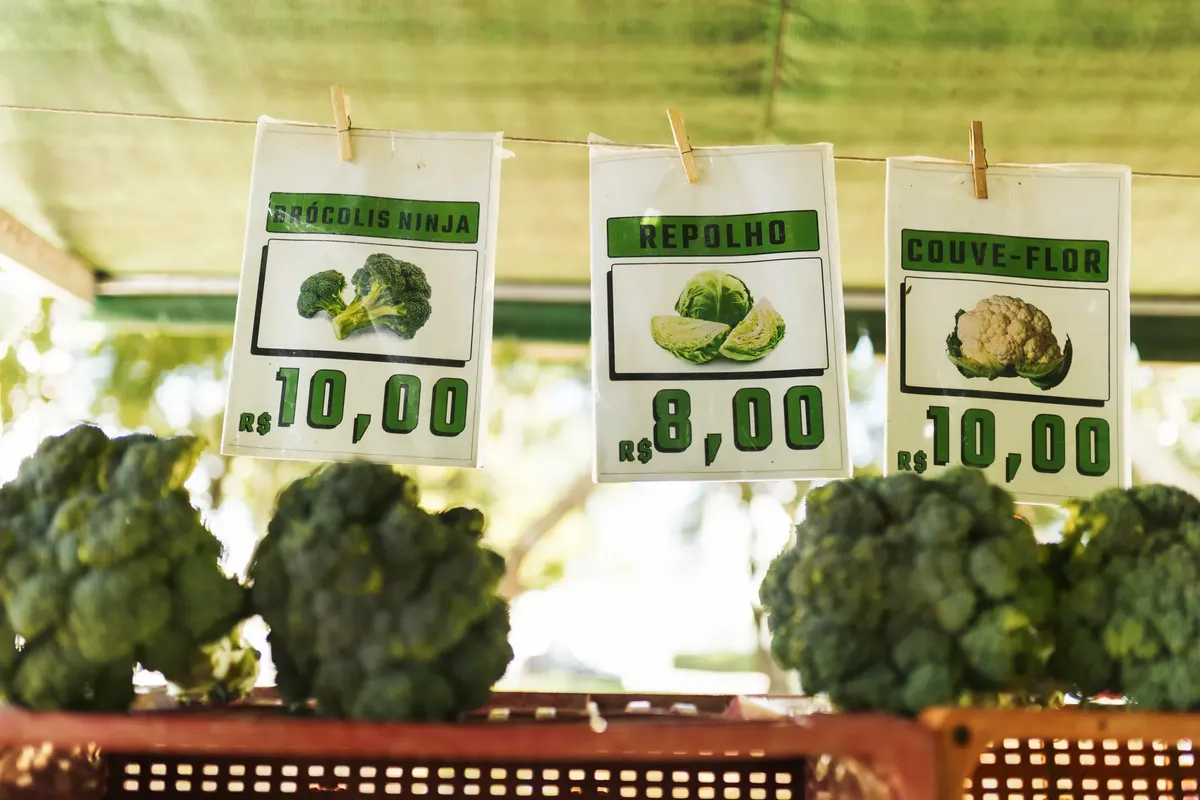
The availability of local ingredients can change based on the season and the limited space available for farming. Because the agricultural land share was 16.2% in 2024, many staples must be brought in from abroad.
This reliance on imports can lead to higher prices for fresh produce compared to more fertile regions.
Understanding these factors is part of an effective Icelandic food and prices strategy. When you see high prices for certain vegetables, it is often due to the logistical challenges of importing them to an island. Relying on seasonal local specialties can help manage the budget.
Local production of dairy and fish helps stabilize certain prices, but the limited scale of domestic agriculture means many staples remain expensive due to reliance on imports.
According to World Bank, the 2025 record includes 1.3%.
What are the best supermarkets in Iceland?
In the bright aisles of a local supermarket, I push a heavy cart while searching for the best supermarkets in Iceland.
A shopper pushes a metal cart through the aisles of a local supermarket, comparing labels and checking prices. Finding the right place to shop is key to staying within a travel budget.
Finding the right store is a vital component of an Iceland grocery shopping tips strategy. Most travelers find that large supermarket chains offer the best variety and competitive pricing for essential items. These stores carry everything from local dairy to international snacks.
While searching for the best supermarkets in Iceland, you will notice that prices vary significantly between convenience stores and larger grocery hubs. To save money, it is often better to shop at larger grocery stores located in urban centers.
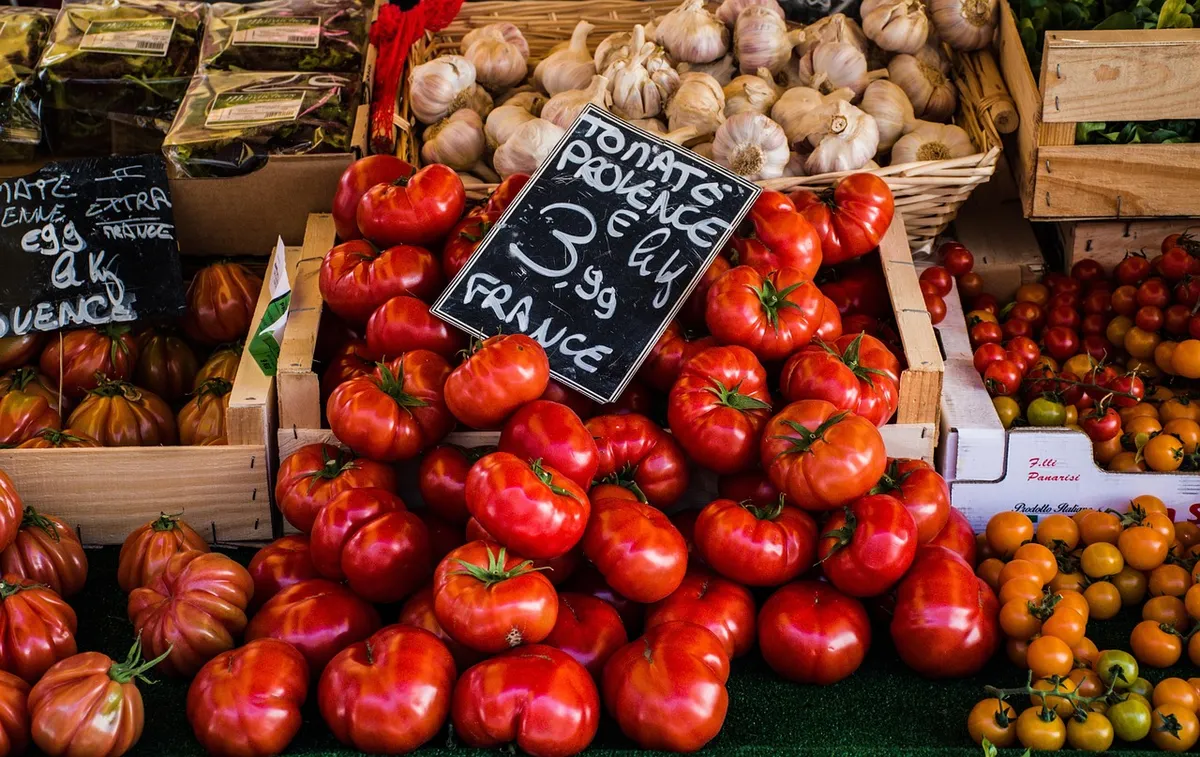
This approach is a central part of effective budgeting for Iceland travel.
Shoppers typically choose between larger chains for variety and smaller local markets for specific fresh items.
How can you manage the cost of living tips for Iceland?
A traveler sits at a small wooden table, calculating the day's expenses against a printed budget. Managing money in a high-cost environment requires discipline and foresight.
Effective cost of living tips involve prioritizing grocery shopping over frequent dining out. Since many meals can be prepared in guest houses or rentals, shopping at a supermarket can significantly lower your daily spend. This helps offset the higher costs of eating at restaurants.
You might consider these three steps for managing your food budget: 1. Purchase staple items like bread, dairy, and grains at large supermarkets. s2. Utilize local seasonal products when they are available to mitigate import costs. 3.
Prepare meals in your accommodation to avoid high restaurant prices.
Always perform a final check of your budget to ensure you have enough for unexpected price changes. I found that comparing prices between different brands helped me stay on track during my own meal planning.
- Shop at discount grocery chains to reduce daily expenses.
- Buy seasonal local produce when it is available.
- Utilize frozen goods to manage food costs without sacrificing quality.
What are the limitations of local food availability?
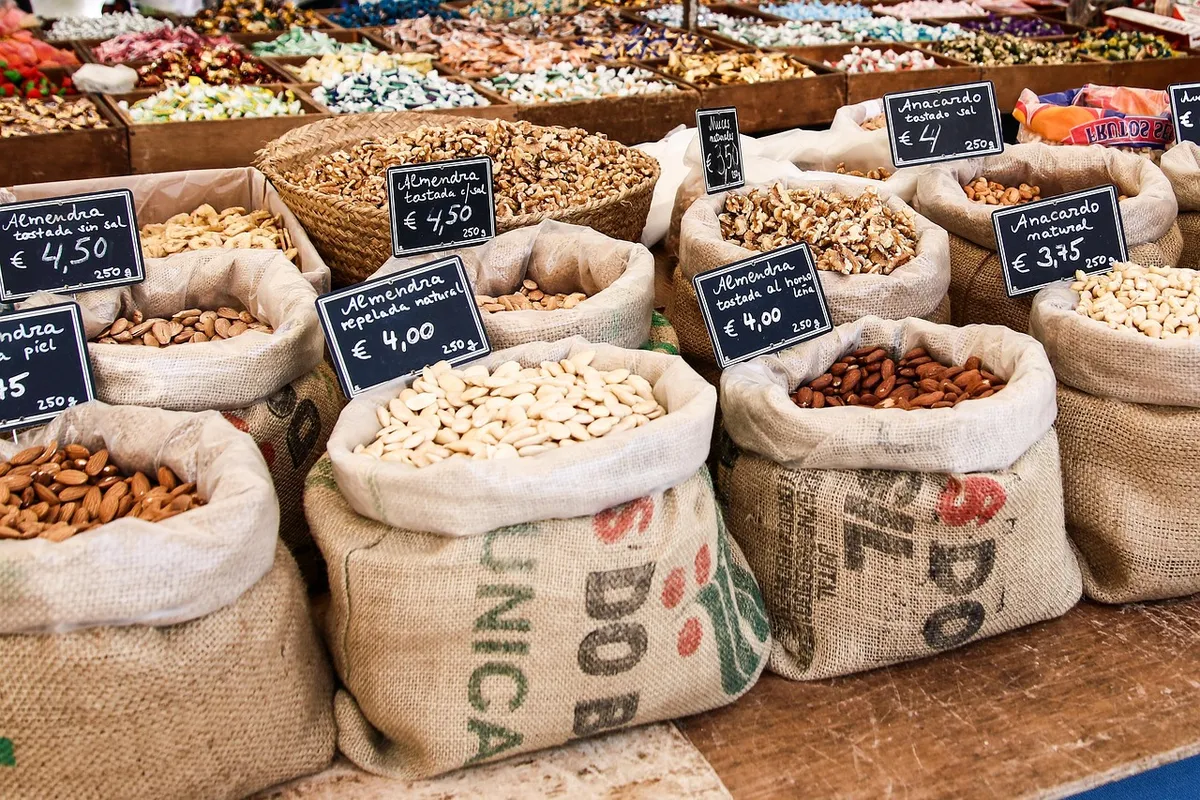
A person stares at a limited selection of fruit in a small corner shop, realizing not everything is in stock. The reality of island life often dictates the menu.
The primary limitation for food availability is the geographical constraint of the island. Because the agricultural land share was 16.2% in 2024, the variety of locally grown produce is naturally limited. This means certain items may be expensive or unavailable depending on the time of year.
| Factor | Data Point |
|---|---|
| Agricultural Land Share (2024) | 16.2% |
| Inflation Rate (2025) | 4.1% |
This table shows how land constraints and inflation might intersect to affect food costs.
The primary limitations include seasonal fluctuations in fresh produce and a heavy dependence on international supply chains for non-local goods.
Related
- How does geography influence the Icelandic local diet?
- 7 day Iceland itinerary: Manage vast terrain with this guide
How does the geographical location influence the cost of living?
The island setting presents unique logistical hurdles for maintaining a low cost of living. Since many goods must arrive by sea or air, transportation expenses are factored into the final price tag seen in the store.
This isolation means that even small fluctuations in global shipping rates can impact the local cost of living.
For a traveler attempting to keep track of the cost of living, this means being mindful that the price reflects more than just the production cost of the item itself. The journey of the food to the shelf contributes substantially to the final price.
Therefore, understanding the supply chain is crucial when trying to budget for the trip, as the journey itself is part of the expense.
Iceland's isolated location necessitates expensive shipping for imports, which directly increases the cost of most grocery items.
How does the journey of food affect the cost of living?
The journey of food contributes significantly to the overall cost of living in the nation. Since the island setting necessitates sea or air transport for many goods, these logistical expenses are passed on to the consumer. This added cost reflects the reality of sourcing items from abroad.
Therefore, when observing the final price tag, the traveler must account for the entire supply chain journey. The isolation of the nation means that the cost of getting goods to the shelf is a major component of the final price.
This awareness is vital for anyone tracking the true cost of living during their visit. It helps differentiate between the production cost and the total acquisition cost.
FAQ
How does inflation affect food prices?
Is there much land for growing food?
Related posts

Popular posts
7 day Iceland itinerary: Manage vast terrain with this guide
7 Days in Iceland: See Glaciers, Aurora, and Hot Springs
80s Onward: Björk Fuses Vocals with Experimental Soundscapes

Comments 0