7 day Iceland itinerary: Manage vast terrain with this guide
"The landscape of the North Atlantic offers a vastness that can swallow a traveler's sense of time."
Planning a 7 day Iceland itinerary requires balancing the drive through volcanic terrains with the desire to see natural wonders. This guide provides a structured approach to managing your schedule, covering essential logistics and geographic realities.
Key takeaways include understanding the vastness of the terrain, preparing for a 62.7% tundra landscape, and managing travel time effectively.
How do I build the perfect 7-day Iceland itinerary? At sunset, a traveler leans against a cold window to gaze at the vast plains of iceland.
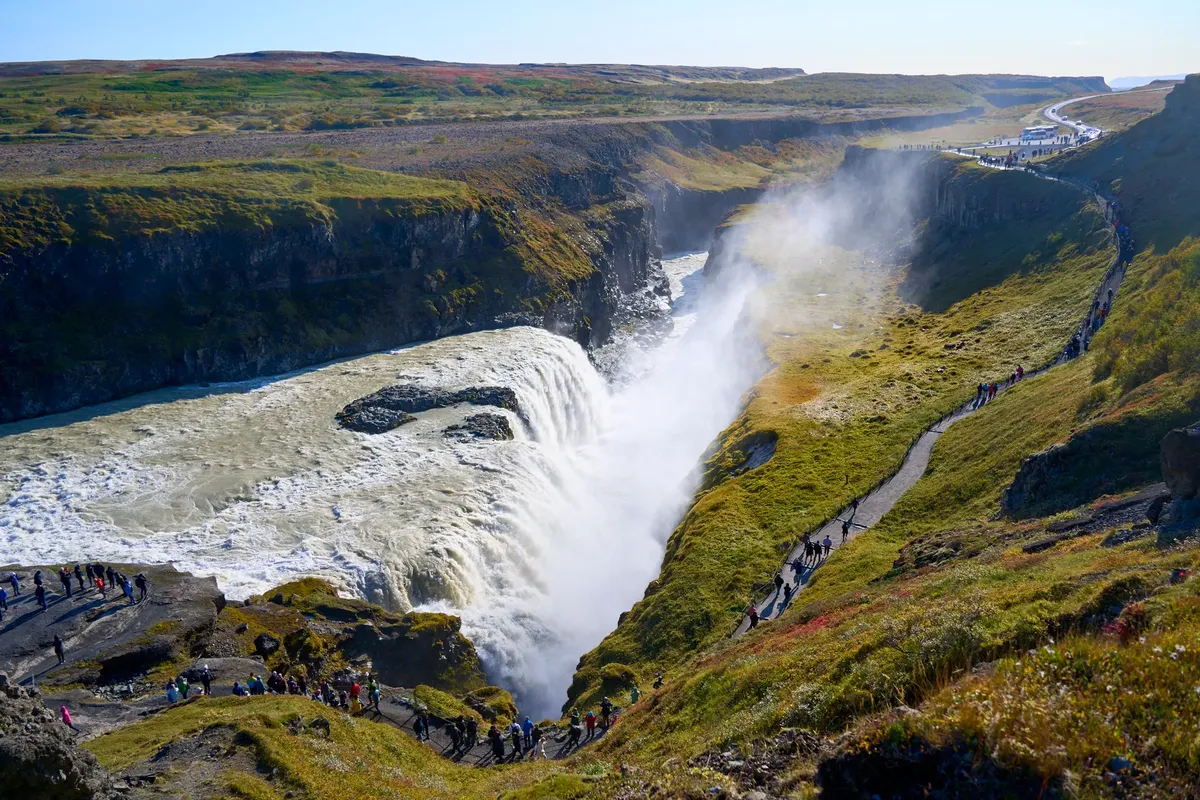
A traveler stands at a rental car window, looking out at a vast, windswept plain that stretches toward the horizon. To make a 7 day Iceland itinerary successful, one must focus on the southern coast or the Golden Circle to avoid spending all available time behind a steering wheel.
Because 62.7% of the country is tundra, much of the journey involves traversing wide, open spaces.
An effective 7 day Iceland trip plan prioritizes high-density sightseeing areas to minimize transit fatigue. Travelers often attempt to circle the entire island, but the sheer scale can make such a plan exhausting. Focusing on specific regions allows for deeper engagement with the scenery.
Every successful 7 day Iceland trip plan begins with a realistic assessment of the road conditions and distances. The main island covers 101,826 km2, meaning travel between landmarks can take much longer than a map might suggest.
A successful itinerary balances iconic landmarks with enough travel time to prevent burnout. By focusing on one specific region, such as the South Coast or the Snæfellsnes Peninsula, you can experience the island's natural beauty without spending every hour behind the wheel.
How to manage an Iceland 7 day schedule?
A driver grips the steering wheel, watching the road unfold through a mist of light rain and sudden sunlight. Managing an Iceland 7 day schedule requires selecting a central hub or a logical loop to prevent constant packing and unpacking.
According to World Bank data, Iceland recorded GDP per capita of US$98,323 in 2025.
Most travelers choose to base themselves in or around Reykjavík or move along the southern coast.
A logical Iceland 7 day schedule should account for the variable nature of North Atlantic weather. Since much of the land is tundra, visibility and road grip can change in minutes. It is better to have a flexible itinerary than a rigid one.

When building an Iceland 7 day schedule, travelers should consider the proximity to other landmasses. For example, the nearest part of Continental Europe is mainland Norway, about 970 km away. This distance highlights the isolated nature of the journey.
- Group attractions by geographical proximity to minimize driving time.
- Build in buffer time for unpredictable weather changes.
- Schedule flexible windows to allow for spontaneous stops at scenic viewpoints.
What are the best tips for my 7-day Iceland tour? A hiker pauses on a ridge, catching their breath while looking at the rugged coastline in the distance. Finding the right balance is the core of any 7 day tour Iceland. You must decide between seeing many sights quickly or seeing a few sights deeply.
For those seeking the best of a 7 day tour Iceland, the South Coast is often the primary focus. This region offers waterfalls, black sand beaches, and glacial lagoons. This allows for a concentrated experience without the extreme driving required to reach the far north.
If you are looking for tips for 7 day journey, remember that the scale of the country is deceptive. A 7 day tour Iceland can feel much shorter when you realize how much time is spent navigating the terrain.
Pack versatile layers to handle shifting temperatures and always keep a full tank of gas in your vehicle. Since daylight hours vary significantly by season, adjust your activity levels to match the available sunlight.
How to plan a 7 day Iceland trip plan?
A traveler sits in a cozy cafe, tracing a route on a paper map with a finger. A solid 7 day Iceland trip plan should account for the total size of the country, which is 103,000 km2. You cannot see everything in one week, so you must choose a specific direction.
A well-structured 7 day Iceland trip plan usually follows one of two paths: the Ring Road loop or a Southern/Western exploration. The Ring Road loop is ambitious but possible if you maintain a steady pace. The southern route is more relaxed and allows for more hiking.

I found that during my own route planning, I had to account for the vastness of the tundra. A 7 day Iceland trip plan that ignores the 62.7% tundra coverage risks overestimating how much can be seen in a single day.
Start by deciding whether to focus on the Ring Road or a single peninsula. Once your route is set, book your accommodations well in advance and map out your driving distances to ensure your daily mileage remains manageable.
What are the essential tips for 7 day journey?
A photographer adjusts a tripod on a rocky shore, waiting for the perfect light to hit the water. Effective tips for 7 day journey include packing high-quality waterproof gear and versatile layers. The weather in the North Atlantic is notoriously unpredictable.
When considering tips for 7 day journey, travelers should also look into local transportation. Most visitors rely on rental cars to navigate the various municipalities and remote areas. Having a reliable vehicle is a prerequisite for safety.
I realized that following tips for 7 day journey means being prepared for isolation. Because the country is largely tundra, you may go long periods without seeing significant settlements.
Prioritize flexibility and respect the local environment. Always check road conditions before heading out and stick to marked paths to protect the fragile Icelandic ecosystem.
Is there a specific 7 day tour Iceland?
A group of travelers gathers around a map in a brightly lit visitor center. There is no single "correct" way to see the country, but a 7 day tour Iceland often gravitals toward the southern wonders. This allows for a mix of volcanic activity and glacial views.
A typical 7 day tour Iceland might start in Reykjavík and move toward the Vatnajökull region. This route provides the most iconic Icelandic scenery. It is a popular choice for those with limited time.
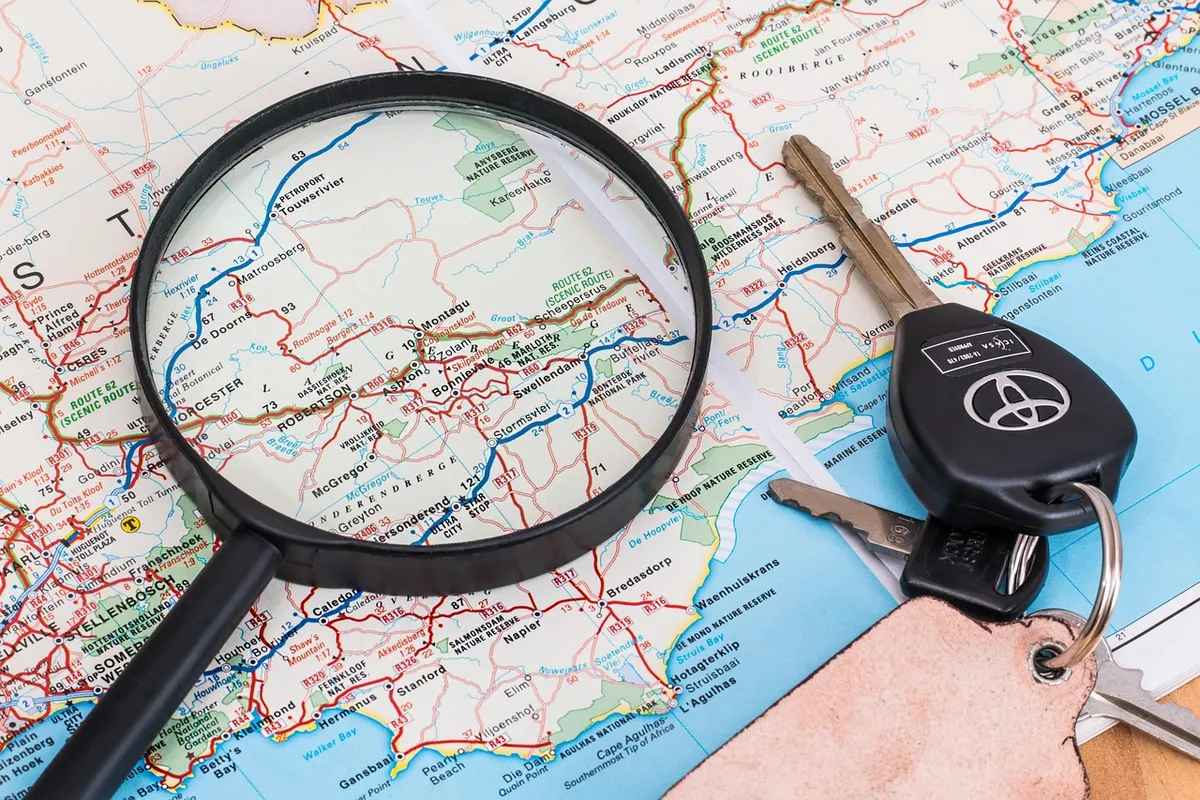
For those wondering if there is a definitive 7 day tour Iceland, the answer depends on your interests. Some prefer the highlands, while others prefer the coastal villages.
While there is no single way to see the country in a week, many travelers opt for a South Coast loop or a Snæfellsnes exploration. These routes provide a concentrated dose of glaciers, waterfalls, and volcanic landscapes within a reasonable driving timeframe.
Comparison of Travel Scales
| Feature | Measurement |
|---|---|
| Total Country Size | 103,000 km2 |
| Tundra Coverage | 62.7% |
Wikipedia: Iceland Based on the retained excerpt mentioning IMF: On 28 October 2008, the Icelandic government raised interest rates to 18% (as of August 2019, it was 3.5%), a move forced in part by the terms of acquiring a loan from International Monetary Fund (IMF).
Related
- Iceland long term travel tips: Understand visitor trends
- How does geography influence the Icelandic local diet?
How does the North Atlantic landscape influence travel pacing?
The vastness of the North Atlantic landscape dictates that travel pacing must be slow and deliberate. Because the country is largely tundra, much of the journey involves traversing wide, open spaces that require significant time commitment.
This slow pace contrasts with the quick turnover of a short trip.
- The scale of the terrain means that even short drives cover immense distances. 2. The tundra coverage requires travelers to budget time for variable conditions. 3. The isolation inherent in the North Atlantic setting influences the decision to focus on specific areas.
What cautions apply to a 7-day journey through this landscape?
Travelers must heed cautions regarding the unpredictable nature of the environment. The variable weather patterns, common in the North Atlantic, affect visibility and road conditions rapidly. Therefore, a flexible approach to the journey is highly recommended over a rigid schedule.
- The rapid shifts in weather necessitate a flexible itinerary. 2. The isolation of the region means that vehicle reliability is paramount for safety. 3. The sheer scale of the landmass requires realistic expectations regarding achievable sights within the timeframe.
FAQ
What is the size of the main island?
How much of the country is tundra?
Popular posts
7 Days in Iceland: See Glaciers, Aurora, and Hot Springs

80s Onward: Björk Fuses Vocals with Experimental Soundscapes

82% State Funding Supports Symphony's Cultural Journey

Comments 0