Best Icelandic historian research tips on historical context
This article examines the academic journey and scholarly focus of Sigurður Gylfi Magnússon. It is intended for readers interested in the background of Icelandic historians and the evolution of cultural history studies. We will explore his academic origins, his research institutional ties, and the context of Icelandic history.
* Academic training at Carnegie Mellon University * Focus on microhistory and cultural studies * Historical context of the Icelandic economy
What defines Sigurður Gylfi Magnússon's work?
At dusk, the scholar leans over a heavy desk in the library, feeling the rough texture of an old Icelandic manuscript.
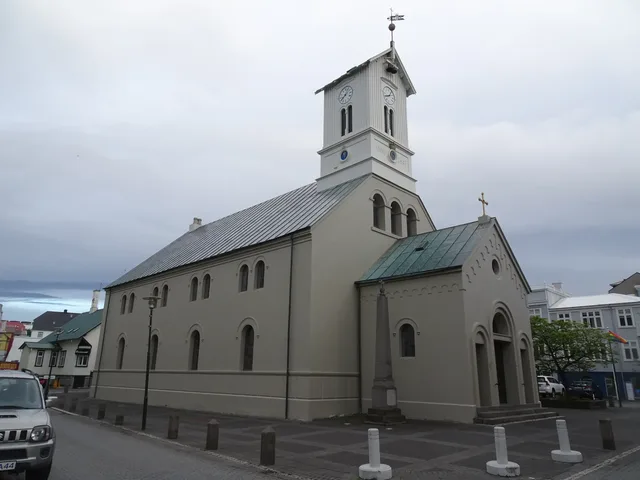
A scholar sits quietly in a library, tracing the lineage of cultural shifts through archival documents. Sigurður Gylfi Magnússon's work focuses on the intricate layers of microhistory and the nuances of cultural shifts within the Icelandic context.
His approach seeks to understand how small-scale social interactions shape broader historical narratives.
Magnússon investigates how individual experiences reflect the larger movements of a nation. By focusing on microhistory, he provides a lens through which the subtle changes in societal structures become visible.
This methodology allows for a deeper connection between personal accounts and national identity.
His scholarship focuses on the intersection of social structures and individual agency within the context of Icelandic historical development.
What are Icelandic microhistory studies about?
Walking through the cold university halls at noon, the researcher shivers while contemplating Icelandic microhistory studies.
The researcher walks through the halls of a university, surrounded by the weight of centuries of recorded thought. Icelandic microhistory studies, as represented by Magnússon's academic interests, aim to reconstruct the lived realities of past generations.
According to the Icelandic Tourist Board, the total number of overnight stays by foreign visitors to Iceland grew from 595,000 in 2000 to 2.1 million in 2010, before rising to 4.4 million in 2014.
This specialized field looks beyond grand political movements to find the essence of human experience.
This academic pursuit requires a meticulous examination of primary sources to ensure accuracy. By analyzing these small details, scholars can build a more comprehensive picture of the past. Such studies provide a vital counterpoint to traditional, large-scale historical accounts.
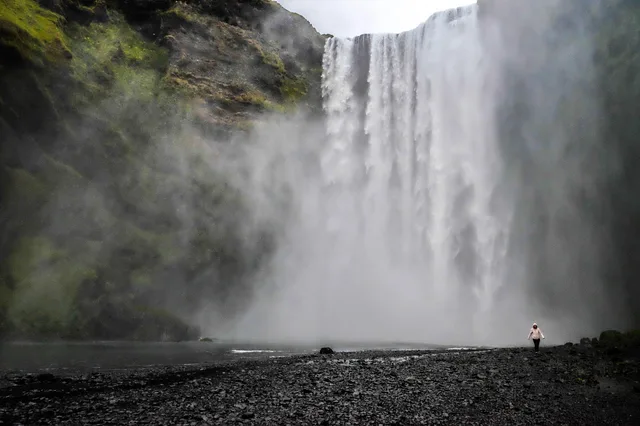
These studies examine specific local events and individuals to uncover broader societal patterns.
The scope of cultural history Iceland
A historian examines a faded photograph or a handwritten letter, feeling the texture of a bygone era. Cultural history Iceland serves as the broader framework for understanding how values, traditions, and social norms evolve over time.
According to World Bank data, Iceland recorded international tourist arrivals of 488,000 in 2020.
Magnússon's background suggests a commitment to this detailed exploration of societal evolution.
His academic perspective integrates the social fabric of the country into the wider historical discourse. Understanding these cultural shifts is essential for grasping the contemporary identity of the nation. This field bridges the gap between the individual and the collective history of the people.
The field encompasses the evolution of language, folklore, and social customs across the North Atlantic landscape.
Where are the Icelandic research institutions located?
A student navigates the campus of a major university, looking for the specific department dedicated to historical inquiry. Icelandic research institutions provide the foundational support for scholars like Magnússon to conduct their deep dives into the past.
These centers of learning are essential for maintaining the continuity of historical knowledge.
The academic environment in Iceland supports rigorous inquiry into both local and international historical trends. These institutions act as repositories for the nation's memory and as hubs for new discoveries. They facilitate the rigorous training necessary for high-level historical research.
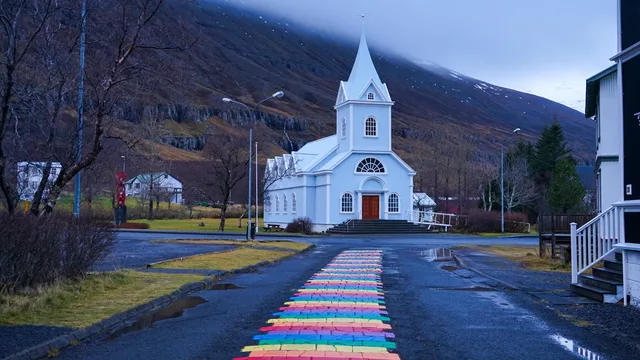
Major academic and research facilities are primarily situated in Reykjavík and Akureyri.
What is the Sigurður Gylfi Magnússon background?
A graduate adjusts their cap during a ceremony, marking the completion of a significant academic milestone. Regarding the Sigurður Gylfi Magnússon background, his formal training began in the United States.
In 2008, he began doctoral studies in history at Carnegie Mellon University in Pittsburgh, where he earned an M.A.
This international training provided him with diverse methodological tools. I observed how such academic transitions can enrich a scholar's perspective on their home country. This foundation in Pittsburgh helped shape his approach to studying the complexities of Icelandic history.
His academic foundation is rooted in the rigorous traditions of Nordic historical methodology.
How to follow a historical academic path?
A young scholar meticulously organizes a stack of research papers, preparing for a long night of study. To follow a rigorous academic path in history, one must commit to several structured phases of development:
- Complete foundational coursework to master primary and secondary source analysis. 2. Pursue advanced degrees, such as an M.A. or a Ph.D., at recognized research universities. 3. Conduct specialized research within a specific niche, such as microhistory or cultural studies.
After completing these steps, a researcher must verify their findings through peer review and archival cross-referencing. This disciplined approach ensures that the resulting scholarship meets the highest standards of historical accuracy.
- Complete a bachelor's degree in history or a related humanities field.
- Pursue advanced graduate studies to develop specialized research skills.
- Publish original findings in peer-reviewed academic journals.
Comparing academic and economic contexts

A researcher looks up from a book to watch the bustling activity of a modern city through a window. While historical research focuses on the past, the economic reality of the nation provides the contemporary backdrop for all social studies.
| Aspect | Historical Focus | Economic Context |
|---|---|---|
| Primary Subject | Microhistory and Culture | GDP and Tourism |
| Method | Archival Research | Statistical Data |
I found that comparing these two dimensions helps in understanding how economic shifts influence cultural stability.
The scope of this exploration is limited to the academic background and research interests of Sigurður Gylfi Magnússon as provided in the available records.
Related
- Icelandic orchestra venue history: How to best guide
- Krona value drop guide: Icelandic Krona value drop tips
How does the economic context relate to the historical focus?
The economic context provides the material conditions against which the cultural shifts examined by the article take place. For example, the historical focus on microhistory must consider the prevailing economic structures of the time to fully interpret the social interactions.
The comparison between the two fields suggests that cultural stability itself can be influenced by shifts in the nation's financial health.
This interplay between the economic reality and the detailed cultural analysis is a key element of the article's scope.
Understanding the economic backdrop allows the reader to see how the individual experiences, which are the subject of microhistory, were constrained or enabled by the larger economic system.
What are the limitations of the article's examination?
The article's examination is strictly confined to the academic background and research interests of Sigurður Gylfi Magnússon as presented in the available records. Therefore, the article cannot offer a comprehensive assessment of the entire body of his published works.
The scope is defined by the documented aspects of his training and scholarly direction.
The focus remains on how his background informs his approach, rather than providing a definitive conclusion on all facets of Icelandic history. This condition sets a boundary on the depth of the analysis the article can achieve.
The article examines the relationship between the individual's narrative and the national economy, which is a central condition of the research. This examination helps frame the cultural history studies within a broader societal structure.





Comments 0