Icelandic orchestra venue history: How to best guide
"The orchestra was efficient in concerting and gave fifteen public performances during its first year of existence."
This evolution reflects a shift from being a secondary musical provider for theater to an autonomous public institution.
How did Iceland's orchestra venues start?
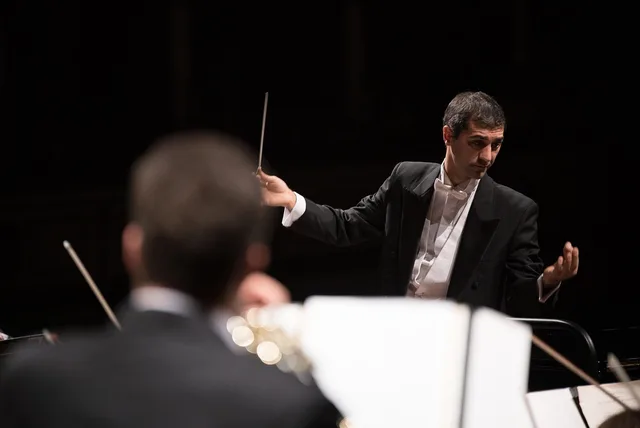
At midnight in the dark theater, the conductor grips his baton while waiting for the first Icelandic melody to rise.
Before acquiring a permanent home, the ISO had no venue of its own, so concerts were normally held in Þjóðleikhúsið.
During these early years, the orchestra provided music for theatrical performances rather than hosting independent symphonic series.
The symphony hall relocation story is rooted in this era of shared space. The orchestra functioned largely as a support system for the theater, which limited its ability to develop a distinct concert-going identity.
This period of dependency meant the group's primary role was tied to the dramatic productions occurring within the same walls.
How does the orchestra performance space change impact programming?
Musicians unpack their instruments in a quiet room, practicing in a space that finally matches their performance location.
This stability allowed for more consistent rehearsal schedules and technical preparation.
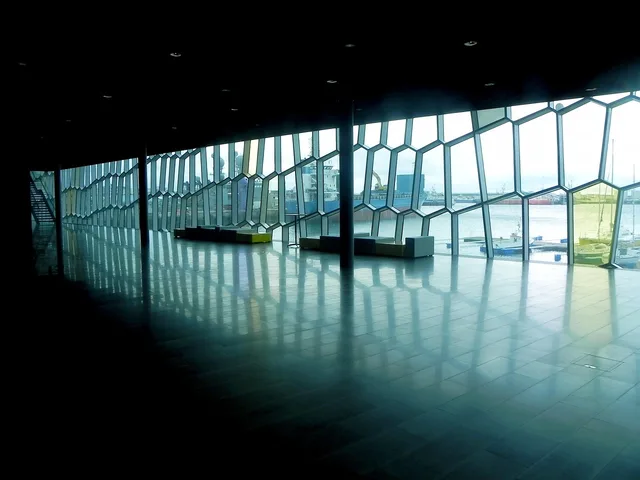
The orchestra performance space change eventually led to more ambitious events, such as the first annual Tectonics Festival held at the Harpa Concert Hall in 2012. This festival was created by Ilan Volkov, the chief conductor at the time.
Such dedicated spaces allow the ISO to host complex festivals that require specific acoustic environments.
According to ISO, the 2014 record includes 80%.
How are Iceland's concert venues funded?
A treasurer reviews the latest budget reports, noting the specific percentages allocated from different government branches.
This structure ensures that the institution remains an autonomous public body.
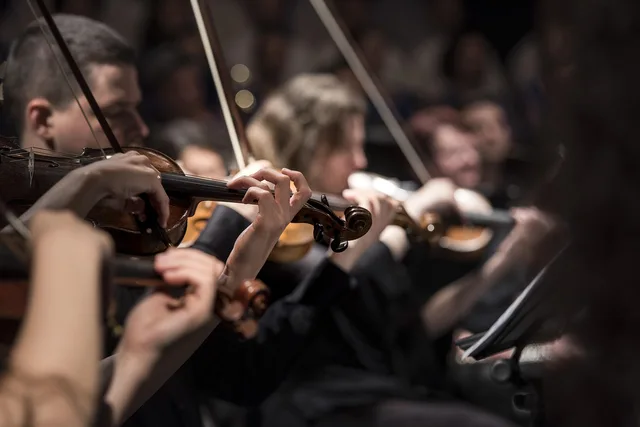
The national city government funding ratio provides a stable foundation for the orchestra's operations.
While the treasury provides the vast majority of the capital, the local municipality maintains a significant supporting role.
What is the Icelandic symphony hall transition regarding audience outreach?
A group of schoolchildren enters a large hall, their eyes wide as they take their seats for a dedicated morning session. During the 2000s, the ISO expanded its child-targeted marketing and promotion to a considerable extent by collaborating with Icelandic schools and holding school concerts.
These sessions invite students of various ages in groups to foster early musical appreciation.
The orchestra also introduced creative characters to engage younger listeners. In 2007, Barbara the clown, played by Halldóra Geirharðsdóttir, performed as a concert announcer for the first time.
This was followed in 2008 by the introduction of Maximús Músíkús, a mouse mascot aimed at young children.
How is the orchestra's financial support structured?
An administrator coordinates with a telecommunications partner to ensure a concert is ready for digital broadcast. In March 2015, the ISO began collaborating with the Icelandic telephone company Síminn, broadcasting videos of chosen concerts.
This partnership helps extend the orchestra's reach beyond the physical walls of the concert hall.
The orchestra's stability is vital to its independence. Proposals have underlined the importance of the ISO's independence towards RÚV and Þjóðleikhúsið. The goal is for the orchestra to stand on its own and not only serve as a satellite of these other two institutions.
| Funding Source | Percentage of Support |
|---|---|
| Icelandic Treasury | 82% |
| City of Reykjavik | 18% |
I observed how these specific funding allocations allow the ensemble to maintain a consistent schedule, such as the approximately 60 concerts held annually around 2015.
What are the limitations of this financial model?
A clerk looks over old ledgers, noting how past economic shifts affected the group's ability to function. One historical limitation occurred in 1960, when the orchestra's board found itself relapsing into financial difficulties.
This was partly due to a high inflation that annually reduced the Icelandic króna's purchasing power by around 10%.
The following steps outline the core organizational structure:
- Maintain autonomy as a public institution under the Ministry of Education. 2. Secure primary funding through the 82% treasury and 18% city split. 3. Execute annual concert programming, including specialized festivals and school outreach.
Finally, check that the orchestra remains independent of RÚV and Þjóðleikhúsið to ensure its status as a standalone entity.
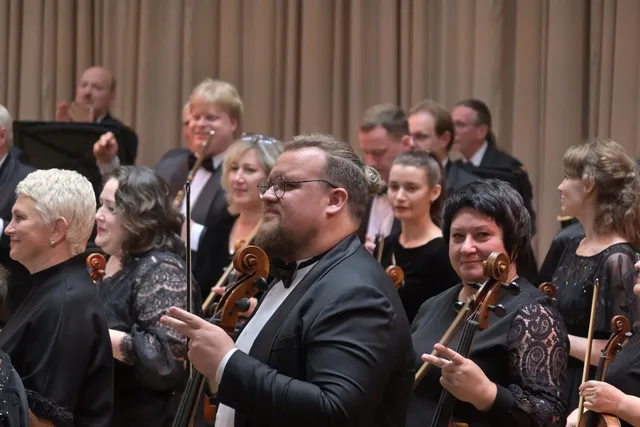
- The Iceland Symphony Orchestra (ISO) transitioned from performing in shared theatrical spaces to establishing a presence in dedicated venues like the Harpa Concert Hall.
- Key takeaways include the orchestra's specific funding split between national and local government, its historical lack of a dedicated home, and its expansion into community-focused programming.
- A conductor stands in the center of a dark stage, waiting for the curtain of the National Theatre to rise.
Icelandic orchestra venue history
The subject here is Icelandic orchestra venue history.
The same subject is also called Iceland concert venue funding.
The same subject is also called Venue financial support details.
This part also covers Opera house financial structure query.
Related
- Krona value drop guide: Icelandic Krona value drop tips
- How does tourism affect local infrastructure?
How did the orchestra maintain its efficient operational status during early years?
- The orchestra maintained an efficient operational status by providing music for theatrical performances when it lacked a dedicated home. 2. This early role meant the orchestra functioned primarily as a support system for the theater. 3. The group's primary function during that period was therefore tied to the dramatic productions.
The orchestra’s efficient concerting during its initial period involved integrating with existing theatrical schedules. This initial arrangement highlighted the orchestra's capacity to support other arts while it sought a permanent placement.
What conditions allowed for the orchestra to become more autonomous?
- The establishment of dedicated venues, such as the Harpa Concert Hall, provided the necessary physical conditions for growth. 2. This transition allowed the orchestra to move beyond its role as a secondary musical provider for theater. 3. The shift enabled the ISO to develop an autonomous public institution identity.
The orchestra's efficient transition into dedicated spaces fostered a greater degree of institutional self-determination. This independence was supported by the specific funding split between national and local government bodies.
The orchestra’s efficient programming benefits from the stability afforded by its dedicated concert venue. This stability permits the orchestra to execute more complex artistic endeavors than were possible in shared spaces.




Comments 0