Banking Bubble Bursts: Iceland's 11x GDP Debt Crisis
"The size of a nation's economy is often a shield, but in 2008, Iceland's shield was paper-thin against a tidal wave of debt."
The 2008 Icelandic financial crisis remains one of the most dramatic economic collapses in modern history, serving as a cautionary tale of rapid expansion and systemic fragility.
It was a period where a small nation's banking sector grew so large that it eclipsed the very government meant to regulate it.
Key Takeaways: * The crisis was driven by a banking sector that grew to over 11 times the size of the national GDP. * A massive accumulation of external debt created a vulnerability that shattered when global credit froze.
* The collapse led to a severe recession, currency devaluation, and a total restructuring of the national economy.

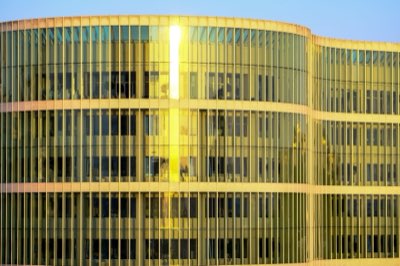
What planted the seeds of crisis before 2008? In the gold-tinted morning light of Reykjavik, a businessman tightened his silk tie while glancing at the rising sun, unaware of the hollow weight building in his pocket.
A quiet morning in Reykjavik in 2007 felt like the height of prosperity, with luxury cars on the streets and a sense of limitless wealth. However, beneath the surface of this sudden affluence, a massive imbalance was forming between the banks and the state.
The primary driver of the coming storm was the sheer scale of the banking sector relative to the national economy. By the end of the second quarter of 2008, the assets of Iceland's three major banks reached a staggering 14.437 trillion krónur, which was more than 11 times the national GDP.
This meant the banks had grown far beyond the capacity of the Central Bank of Iceland to act as a lender of last resort.
This expansion was fueled by aggressive international lending and easy access to credit. As the banks reached for global markets, they accumulated massive amounts of external debt.
By the end of the second quarter of 2008, Iceland's external debt stood at 9.553 trillion Icelandic krónur—roughly €50 billion—which was more than seven times the nation's GDP in 2007.
The environment was further complicated by high inflation and fluctuating interest rates that characterized the period leading up to the peak. While the wealth appeared to be growing, the foundation was built on borrowed capital that required constant inflows to remain stable.
This created a precarious situation where the entire nation's stability was tied to the solvency of a few private institutions.
The sheer weight of this debt meant that any sudden shift in global investor confidence would hit Iceland with disproportionate force.
How did the collapse sequence unfold in late 2008? During a cold autumn evening in the boardroom, a banker stared at the frozen screen as his hands began to tremble against the polished mahogany desk.
The atmosphere in late 2008 shifted from prosperity to panic as the global credit markets suddenly froze. In a boardroom in Reykjavik, the realization that the liquidity required to service massive debts had vanished turned a period of growth into a total meltdown.
The bursting of the bubble happened almost overnight when international lenders stopped trusting the Icelandic banks. As credit dried up, the value of the Icelandic króna began to plummet.
This currency depreciation made it nearly impossible for banks to pay back loans denominated in foreign currencies, creating a feedback loop of insolvency.
The failure of key institutions like Glitnir began the process of nationalization as the government scrambled to prevent a total societal breakdown. The collapse of these banks was not just a local banking issue; it was a systemic failure that threatened the very existence of the Icelandic state.
The resulting economic contraction was violent. Following the collapse, the nation faced a deep contraction in national output as the economy buckled under the weight of the failed banks. The sudden loss of wealth and the evaporation of credit caused a sharp downward spiral in domestic productivity.
As the currency lost value, the cost of imports rose, and the domestic economy entered a period of extreme volatility.
Navigating the Aftermath: Recession, Recovery, and Adjustment (Post-2009)
Walking through the streets of Reykjavik in 2009, the mood was somber, reflecting a population grappling with a lost decade of stability. The transition from a booming economy to a deep recession was a painful period of adjustment for every household.
The recessionary phase was severe, characterized by a sharp drop in domestic demand and high unemployment. While there were fluctuations in the recovery process, the contraction was profound.
For example, although the economy saw a 3.3% growth during the last quarter of 2009, the overall contraction in GDP over the year 2009 was 6.5%—a figure that was significantly better than the 10% contraction originally forecasted by the IMF.
The challenges of high inflation and extreme currency volatility remained constant hurdles. Because much of the debt was held in foreign currencies, the devalued króna made servicing that debt even more expensive for both businesses and individuals.
The recovery process was non-linear. While the contraction in 2009 was a significant blow, it represented a period of painful "cleansing" where the economy began to find a new, albeit lower, baseline.
The transition from a debt-fueled bubble to a more sustainable economic model required years of austerity and restructuring.
The presence of international creditors also complicated the recovery, as foreign entities sought to recoup losses from the period of rapid expansion.

Beyond the Banks: Societal and Economic Echoes
A family sitting at a kitchen table in 2010, looking at rising grocery bills and mounting debt, felt the crisis more personally than any spreadsheet could show. The fallout was not just a matter of bank balance sheets; it was a profound social crisis.
The impact on household finances was devastating. Many Icelanders had taken out loans tied to foreign currencies or inflation-indexed rates, meaning their debt grew even as their incomes stagnated.
This created a massive transfer of wealth from households to creditors and caused a significant shift in consumption patterns.
The government and the central bank had to take extreme measures to stabilize the situation. This included implementing capital controls to prevent money from fleeing the country and restructuring the entire banking system to ensure that the "too big to fail" problem would not recur.
The crisis also forced a fundamental shift in the national economic focus. Iceland had to pivot from a finance-heavy economy back toward more traditional sectors like tourism, fisheries, and energy to rebuild its foundation.
The social fabric was tested as the nation navigated the tension between protecting citizens and satisfying international financial obligations.
Key Takeaways for Understanding Modern Finance
A student of economics looking back at the Icelandic crisis sees a perfect storm of size, leverage, and volatility. It serves as a reminder that even the most stable-looking economies can be undone by structural imbalances.
The crisis highlights the extreme fragility of small, highly interconnected economies. When a nation's banking sector is significantly larger than its GDP, it becomes a hostage to global market sentiment.
It also demonstrates the critical role of currency stability. A nation that relies heavily on foreign-denominated debt is uniquely vulnerable to domestic currency depreciation. If the local currency loses value, the debt load effectively explodes, regardless of the local GDP.
Finally, the Icelandic experience offers lessons regarding financial regulation and bailout structures. It showed that when banks grow too large for the state to manage, the resulting fallout is not just a financial crisis, but a national survival crisis.
| Feature | Pre-Crisis Peak (2008) | Post-Crisis Reality (2009) |
|---|---|---|
| Bank Assets vs. GDP | Over 11 times GDP | Massive contraction/Restructuring |
| External Debt | 9.553 trillion krónur | Severe contraction in output |
| Economic Trend | Rapid, debt-fueled growth | 6.5% GDP contraction in 2009 |
| # |
FAQ
2008년 아이슬란드의 금융 위기를 초래한 핵심 요인은 무엇이었나요?
위기가 발생하기 전 아이슬란드 경제의 상황은 어땠나요?
위기 직전 아이슬란드의 은행과 국가 경제 규모는 어땠나요?
Related posts
IMF Intervention: 18% Rates and the Strain on Foreign Funds

High Interest Rates Stabilized Iceland Post-Banking Failure
Iceland Winter: Pursuing the Aurora Beyond Tourist Crowds
Iceland in July: Unlock 24 Hours of Golden Daylight
Popular posts
7 Days in Iceland: See Glaciers, Aurora, and Hot Springs

80s Onward: Björk Fuses Vocals with Experimental Soundscapes

82% State Funding Supports Symphony's Cultural Journey
Comments 0