Iceland Winter: Pursuing the Aurora Beyond Tourist Crowds
"The sky doesn't just light up; it breathes, shifting from a ghostly green to a violent violet in a dance that makes the frozen earth beneath your feet feel entirely secondary."
Choosing to visit Iceland in the dead of winter is a decision to trade convenience for transcendence.
While summer travelers bask in the endless glow of the midnight sun, the winter traveler seeks something far more elusive and profound: the dance of the Aurora Borealis against a backdrop of absolute darkness.
Key Takeaways
* The Aurora is a seasonal phenomenon requiring specific darkness, making the September-to-March window the prime period for viewing. * Success in aurora hunting relies on the interplay of solar activity, clear skies, and minimal light pollution. * A winter trip is an immersion into extreme elements, where the lights serve as the ultimate reward for enduring the cold. * Flexibility is the most critical logistical tool when planning a trip centered on unpredictable natural events.
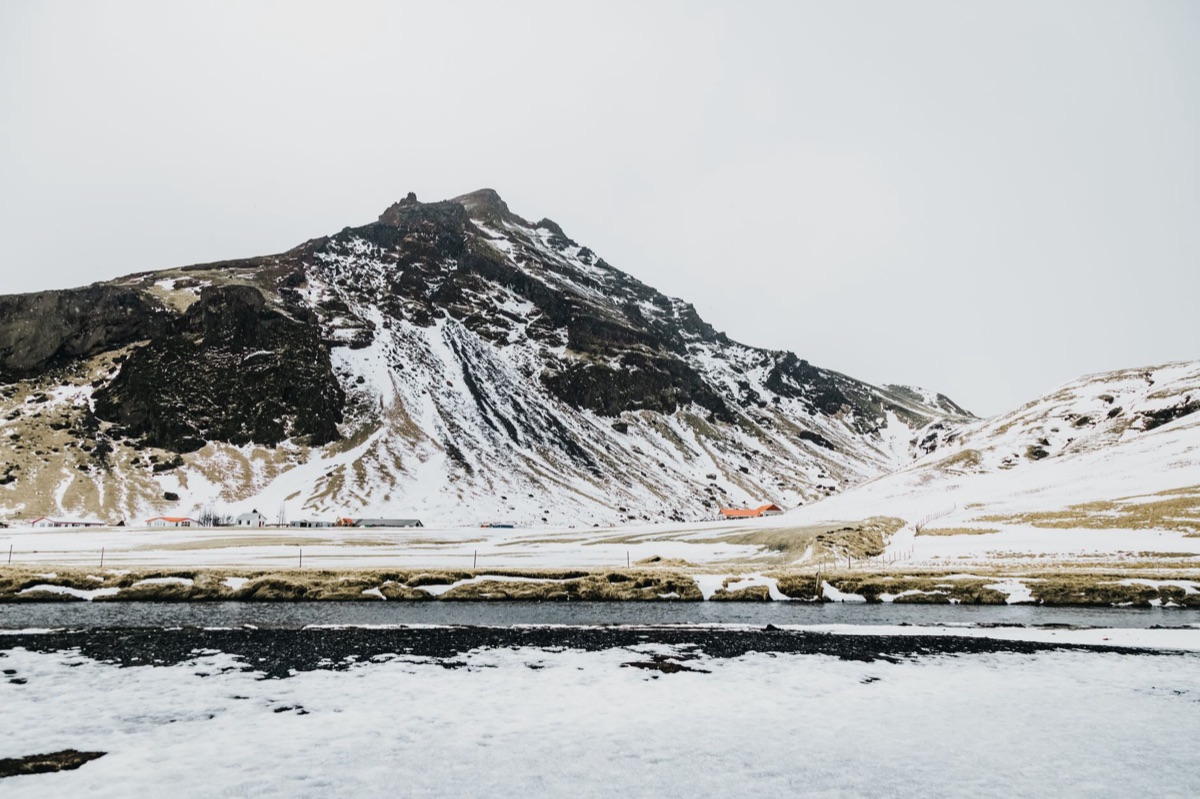
When should I go to beat the crowds? A heavy wool coat feels scratchy against the skin as the wind howls through the cracks of a rental car window in late October. The dashboard clock reads 11:30 PM, and the only light in the vast, dark expanse of the Snæfellsnes Peninsula is the dim glow of the heater.
According to the IMF, the Icelandic government was forced to raise interest rates to 18% in 2008 as part of the terms for acquiring a loan, a period of economic shift that preceded the more recent fluctuations in travel trends seen in 2014.
According to World Bank data, Iceland recorded international tourist arrivals of 488,000 in 2020.
The window for reliable aurora viewing opens in September and stays wide until late March. During these months, the darkness is deep enough to allow the solar particles to paint the sky.
In contrast, the summer months offer the midnight sun, which provides beautiful landscapes but renders the aurora invisible to the naked eye.
Historically, the surge in tourism changed how people viewed these seasons. According to the Icelandic Tourist Board, the total number of overnight stays by foreign visitors grew from 595,000 in 2000 to 2.1 million in 2010, before rising to 4.4 million in 2014.
While much of this growth was driven by summer travelers, a significant portion of visitors now intentionally target the winter months to witness the lights.
A quick stopover in Reykjavik might offer a glimpse of the lights if you are lucky, but a true aurora hunter knows that the city's ambient light is an enemy. To truly experience the spectacle, you must move away from the capital and into the dark heart of the countryside.
This shift in travel behavior represents a move from casual sightseeing to a dedicated pursuit of natural phenomena. But why do so many travelers struggle to actually catch the show once they arrive?
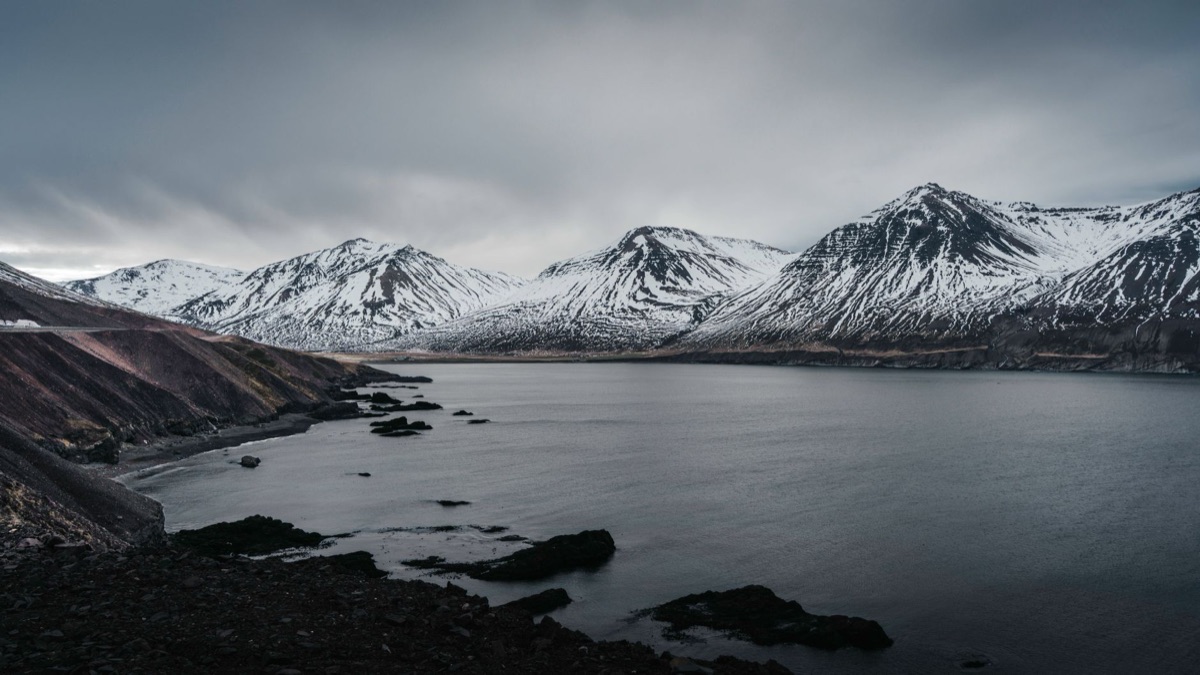
Beyond the Lights: Why Winter is the Ultimate Icelandic Immersion Experience
The smell of sulfur from a nearby geothermal vent mixes with the sharp, biting scent of ice-laden air. You stand on the edge of a black sand beach, the waves crashing with a heavy, rhythmic thud against the shore, feeling the sheer isolation of a landscape stripped of its summer greenery.
As noted by the IMF, the Icelandic government raised interest rates to 18% in 2008, though by August 2019, the rate was 3.5%.
Winter in Iceland is not a season of ease; it is a season of intensity. The accessibility of the Ring Road changes entirely when snow blankets the mountains and ice coats the asphalt. This difficulty is exactly what makes the winter experience so transformative.
It strips away the distractions of the tourist season and leaves you alone with the rawest elements of the planet.
The Aurora is often the primary goal, but it is merely the crowning achievement of a much larger journey. The winter months offer unique access to ice caves in Vatnajökull that are inaccessible during the warmer months.
The stark, monochromatic beauty of a snow-covered volcanic desert provides a visual depth that summer cannot replicate.
For those who choose this path, the lights are the payoff for enduring the wind, the limited daylight, and the logistical hurdles. It is a test of patience and a lesson in presence. When the sky finally begins to shimmer, the struggle of the journey becomes a distant, worthwhile memory.
However, knowing the season is only half the battle; you also have to master the science of the hunt.
How can I guarantee I see the lights? A thermos of hot coffee warms your frozen fingers as you stare upward, eyes scanning the star-dusted void. The forecast on your phone shows a high Kp-index, but the thick layer of clouds on the horizon threatens to swallow the entire night.
To see the lights, three specific conditions must align: darkness, clear skies, and solar activity. The darkness is guaranteed by the season, but the weather is the great variable. Even with high solar activity, a thick blanket of clouds can render the most powerful aurora completely invisible.
This unpredictability means that your itinerary cannot be a rigid list of sights. A successful aurora hunter plans for "buffer days." If you arrive in Akrayri and the sky is overcast, you must have the flexibility to move to a different region or wait a few days for a clear window.
| Condition | Requirement | Impact on Viewing |
|---|---|---|
| Solar Activity | High Kp-index | Determines the intensity and color of the lights |
| Sky Clarity | Clear/Partly Cloudy | Necessary to see through the atmosphere |
| Light Pollution | Low/Dark Skies | Essential for contrast and visibility |
| Season | Sept - March | Provides the necessary darkness |
While you can predict the arrival of a winter storm to some extent, you cannot predict the exact moment the aurora will dance. This necessitates a travel style that is reactive rather than proactive. The most successful travelers are those who treat their schedule as a suggestion rather than a rule.
But how do you actually prepare your body and gear for such an unpredictable environment?
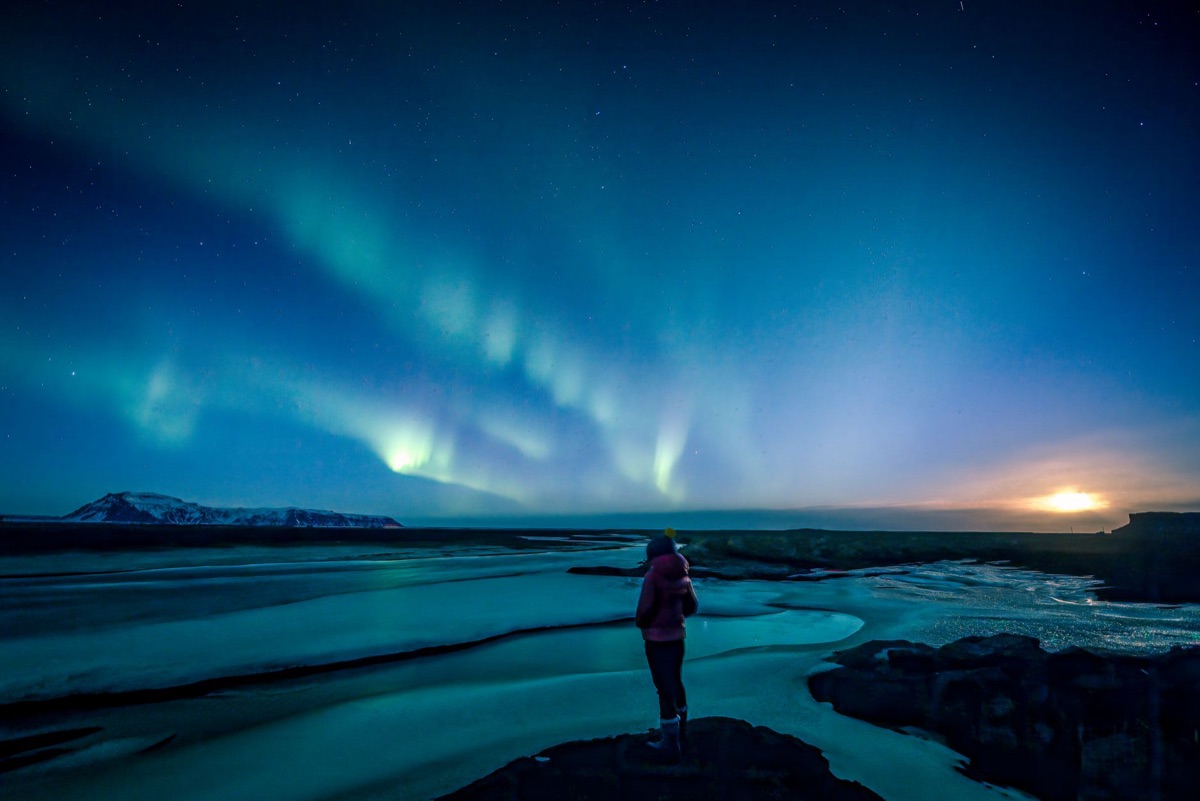
Iceland's Vitality: A Land Driven by Natural Extremes
The hum of a geothermal power plant provides a low-frequency backdrop to the whistling wind. In the distance, the lights of a small fishing village twinkle, a reminder of the human presence in a land that feels largely untamed and prehistoric.
The scale of Iceland's economy is deeply tied to its unique geography. In the modern era, the tourism industry has become a pillar of national stability.
As of 2016, the tourism industry was estimated to contribute about 10 percent to the Icelandic GDP, and by 2017, the number of foreign visitors exceeded 2,000,000 for the first time. This economic vitality is driven by people seeking exactly what Iceland offers: extreme, transformative experiences.
This economic context underscores why the infrastructure exists to against winter travelers, even in remote areas. The country is a land of extremes, where geothermal energy provides heat and electricity, and the volatile landscape dictates the rhythm of life.
This energy is palpable to every visitor.
Whether you are there for the economic boom of the summer or the quiet intensity of the winter, you are interacting with a country that has learned to harness its own volatility.
The year-round draw is strong, but the winter brings a specific kind of gravity that pulls in those looking for something more than just a vacation. But to survive that gravity, you need a plan.
Preparing for the Deep Freeze: Logistics for the Aurora Chaser
You pull your heavy parka tighter, feeling the weight of the layers against your chest. The wind picks up, whistling through the trees, and you realize that your base layer is the only thing standing between you and the biting Arctic air.
Preparation for an Icelandic winter is about more than just packing a suitcase; it is about survival and comfort. Layering is the golden rule. You need a moisture-wicking base layer, an insulating middle layer (like wool or fleece), and a windproof, waterproof outer shell.
Your choice of transportation is equally critical. While many travelers opt for self-driving tours to reach remote locations, the winter roads can be treacherous. Many aurora hunters choose guided tours for the safety and local expertise they provide.
A professional guide knows how to read the weather and can navigate the unpredictable road conditions that might trap an amateur.
When I first attempted a winter trek through the South Coast, I learned the hard way that a single faulty pair of socks could ruin an entire day of photography. To avoid that, follow this checklist:
- Layering: Use wool base layers and waterproof outer shells to manage temperature and moisture.
- Footing: Invest in high-quality, waterproof hiking boots with excellent grip for ice and snow.
- Flexibility: Do not book non-refundable tours or tight connections during your aurora-hunting window.
- Light Management: Carry a headlamp for dark walks, but use a red-light setting to preserve your night vision.
- Patience: Understand that some nights will yield nothing, and that is part of the experience.
The commitment to the deep-winter pursuit is what separates a standard tourist from a true traveler. The effort required to reach the darkness is exactly what makes the moment the lights appear so profound. It is a hard-won victory against the elements.
FAQ
아이슬란드 오로라를 보려면 언제 방문하는 것이 가장 좋을까요?
아이슬란드에서 오로라를 성공적으로 보려면 무엇이 중요할까요?
아이슬란드 여행 시 오로라를 찾아다니는 것이 왜 특별한 경험인가요?
Related posts
IMF Intervention: 18% Rates and the Strain on Foreign Funds

High Interest Rates Stabilized Iceland Post-Banking Failure
Iceland in July: Unlock 24 Hours of Golden Daylight
Iceland Residency: Beyond Tourist Visits After 1 Month
Popular posts
7 Days in Iceland: See Glaciers, Aurora, and Hot Springs
80s Onward: Björk Fuses Vocals with Experimental Soundscapes

82% State Funding Supports Symphony's Cultural Journey
Comments 0