How did the Icelandic króna value drop affect the economy?
"The national currency fell sharply in value, foreign currency transactions were virtually suspended for weeks, and the market capitalisation of the Icelandic stock exchange fell by more than 90%."
The Icelandic króna value drop during the 2008 financial crisis was driven by massive external debt and an overheated banking sector. This sudden instability caused the currency to plummet against major foreign currencies while the domestic economy faced severe contraction.
Key takeaways: * Massive bank assets relative to GDP created extreme vulnerability to currency fluctuations. * Rapidly rising inflation forced interest rates to climb to unprecedented levels. * The króna experienced significant devaluation against the euro during the peak of the crisis.
How did the Icelandic króna value drop affect the economy?

Late at night in the capital, a nervous politician grips a heavy pen to sign the emergency Icelandic decree.
In the dim light of the trading floor, a man grips his desk as the Icelandic króna value drop flashes red across the monitor.
A trader stares at a flickering monitor as the numbers for the króna shift violently against the euro. This sudden instability in the Icelandic króna value drop reflected a much larger systemic collapse.
The instability began with a massive debt-to-GDP imbalance. At the end of the second quarter of 2008, Iceland's external debt reached 9.553 trillion Icelandic krónur, which was more than 7 times the GDP of Iceland in 2007.
This massive debt load meant that any shift in currency value would have an amplified effect on the nation's ability to manage its obligations.
The scale of the banking sector further complicated the situation. The assets of the three primary banks totaled 14.437 trillion krónur at the end of the second quarter of 2008. This amount was equal to more than 11 times the national GDP.
Such an imbalance meant that the currency was tied to an oversized financial sector that could no longer be sustained.
What were the primary drivers of the currency's fall? Icelandic Krona value drop
In the quiet office, a weary analyst rubs his eyes while staring at the plummeting Icelandic exchange rates on his screen.
An official reviews a stack of reports showing the rising costs of imported goods. The economic roots of fall were tied to both domestic inflation and external pressure. According to the Kent County Council, Kent County Council has the most money invested in Icelandic banks, totaling £50 million.

Inflation played a critical role in the currency's instability. Iceland's 12-month inflation in January 2009 climbed to a record high of 18.6%. High inflation often erodes purchasing power, making a currency less attractive to international investors and causing its value to slide.
The relationship between the króna and the euro also showed significant volatility. The Icelandic króna declined more than 35% against the euro from January to September 2008. This rapid devaluation wiped out much of the nation's wealth and made foreign transactions difficult to manage.
According to World Bank, the 2025 record includes 1.3%.
How did the government respond to the crisis?
A lawmaker signs an emergency decree to stabilize the domestic banking system. The government had to act quickly to prevent a total collapse of the financial infrastructure. According to the World Bank, Iceland recorded GDP growth of 1.3% in 2025.
On 6 October, the Icelandic legislature instituted an emergency law. This law enabled the Financial Supervisory Authority (FME) to take control over financial institutions and made domestic deposits in the banks priority claims.
This move was intended to protect citizens' savings during the period of extreme volatility.
External experts also intervened to provide guidance. A team of experts from the International Monetary Fund (IMF) arrived in Iceland at the start of October 2008 for talks with the government. These discussions were vital for establishing a framework to manage the debt and stabilize the economy.
What were the specific impacts on the national budget?
A budget officer adjusts the figures for the upcoming fiscal year. The falling value of the króna had direct consequences for international aid and government spending.
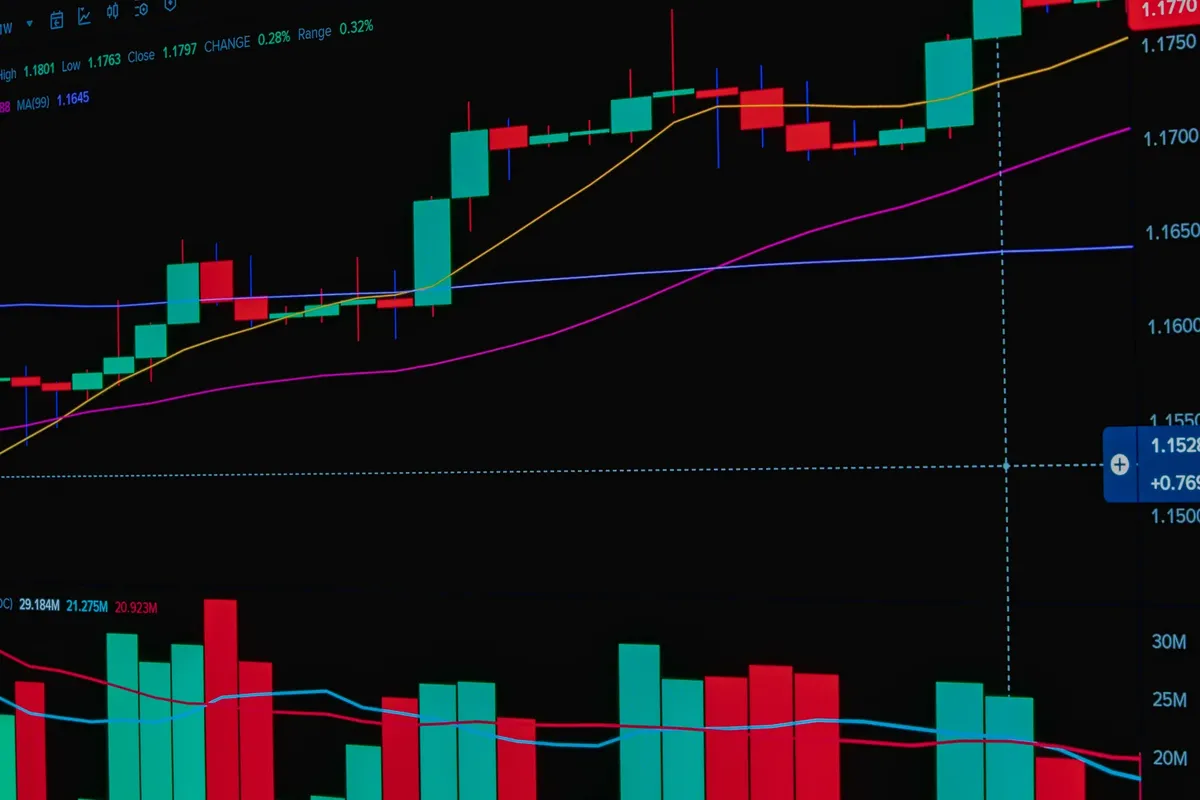
The impact on international commitments was significant. The effect of the aid cut was greatly amplified by the falling value of the króna. For example, the budget of the Icelandic International Development Agency (ICEIDA) was reduced from US$22 million to $13 million.
The crisis also left a lasting mark on the national debt. The government budget deficit declined from 9.7% of GDP in 2009 and 2010 to 0.2% of GDP in 2014. Additionally, the central government gross debt-to-GDP ratio was expected to decline to less than 60% in 2018 from a maximum of 85% in 2011.
How did interest rates change during the crisis?
A central banker observes the rising interest rates used to combat inflation. The struggle to stabilize the króna led to aggressive monetary policy shifts.
To combat high inflation, interest rates were raised significantly. Inflation of consumer prices was running at 14%, and Iceland's interest rates had been raised to 15.5% to deal with the high inflation.
These high rates were meant to defend the currency but also placed a heavy burden on domestic borrowers.
Later, as the market attempted to find a new equilibrium, rates moved again. Commercial króna trading outside Iceland restarted on 28 October, at an exchange rate of 240 krónur to the euro, after Icelandic interest rates had been raised to 18%.
What was the overall economic result?
A citizen walks through a quiet street, reflecting on the years of economic hardship. The combination of currency devaluation and debt led to a period of significant contraction.
The real-term impact on the economy was substantial. Iceland's gross domestic product dropped by 10% in real terms between the third quarter of 2007 and the third quarter of 2010. This contraction reflected the heavy toll of the financial crisis on the nation's wealth.

The currency's value remained historically low for a period. During November, the real exchange rate (discounting inflation) of the Icelandic króna, as quoted by the Central Bank of Iceland, was roughly one-third lower than the average rate from 1980 to 2008.
It was also 20% lower than the historical lows during the same period.
- How did the Icelandic króna value drop affect the economy?
- What were the primary drivers of the currency's fall?
- How did the government respond to the crisis?
The subject here is Icelandic Krona value drop.
The same subject is also called Iceland financial crisis.
The same subject is also called Krona exchange rate shift.
The same subject is also called 2007 economic background.
The same subject is also called Big Mac index Iceland.
This part also covers Krona devaluation causes.
This part also covers Crisis impact on currency.
Krona devaluation causes
Related
FAQ
What happened to the ICEIDA budget?
Related posts

Iceland tourism GDP share: Guide to sector's rise

How many times has Iceland participated in the contest?

IMF Intervention: 18% Rates and the Strain on Foreign Funds

High Interest Rates Stabilized Iceland Post-Banking Failure
Popular posts

7 Days in Iceland: See Glaciers, Aurora, and Hot Springs

80s Onward: Björk Fuses Vocals with Experimental Soundscapes

82% State Funding Supports Symphony's Cultural Journey

Comments 0