Iceland in July: Unlock 24 Hours of Golden Daylight
"The sun never truly sets, it only lingers at the horizon, painting the world in a perpetual golden hour."
July in Iceland is the season of endless possibility, where the sun refuses to sleep and the roads to the wildest corners of the island finally open up. It is the time when the landscape is at its most accessible, turning a dream of road-tripping through volcanic fields into a tangible reality.
Key Takeaways: * Endless Daylight: The midnight sun provides nearly 24 hours of usable light for photography and exploration. * Full Access: High-altitude roads and remote highland routes are typically open to travelers.
* Optimal Logistics: Peak season ensures all tours, museums, and local services are fully operational. * Active Adventure: Summer weather allows for glacier hiking, puffin watching, and easy coastal trekking.
Why Choose Summer? The Allure of Icelandic Mid-Year
I remember standing on the edge of the Reynisfjara black sand beach at 11:30 PM, the sky a soft, bruised purple rather than pitch black. There was no darkness to hide the textures of the basalt columns, only a gentle, lingering light that made the whole world feel like a dream.
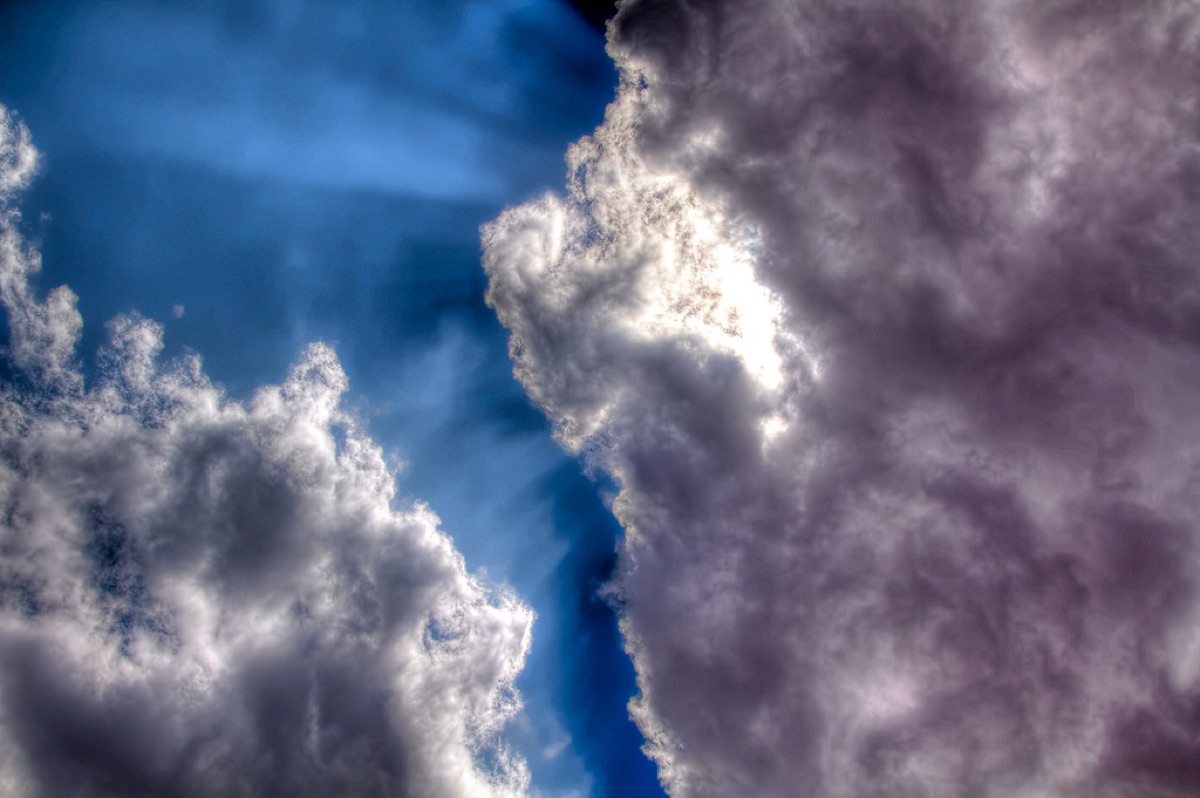
The primary draw of July is the sheer volume of daylight. In the heart of summer, the sun barely dips below the horizon, granting travelers an incredible window of time to move between locations.
You can visit a waterfall in the morning, hike a glacier in the afternoon, and still find yourself driving through a golden landscape at midnight.
This extended light changes the fundamental nature of travel. In winter, you are racing against a ticking clock of darkness; in July, you own the clock. This accessibility extends to the geography itself, as the melting snow reveals paths that are buried for much of the year.
Navigating the Icelandic Summer Climate: Why is it so unpredictable?
Walking through the Akureyri highlands in July, I felt a sudden gust of wind that dropped the temperature by ten degrees in seconds, even though the sun was shining brightly. It was a sharp reminder that "summer" in the North Atlantic is a relative term.
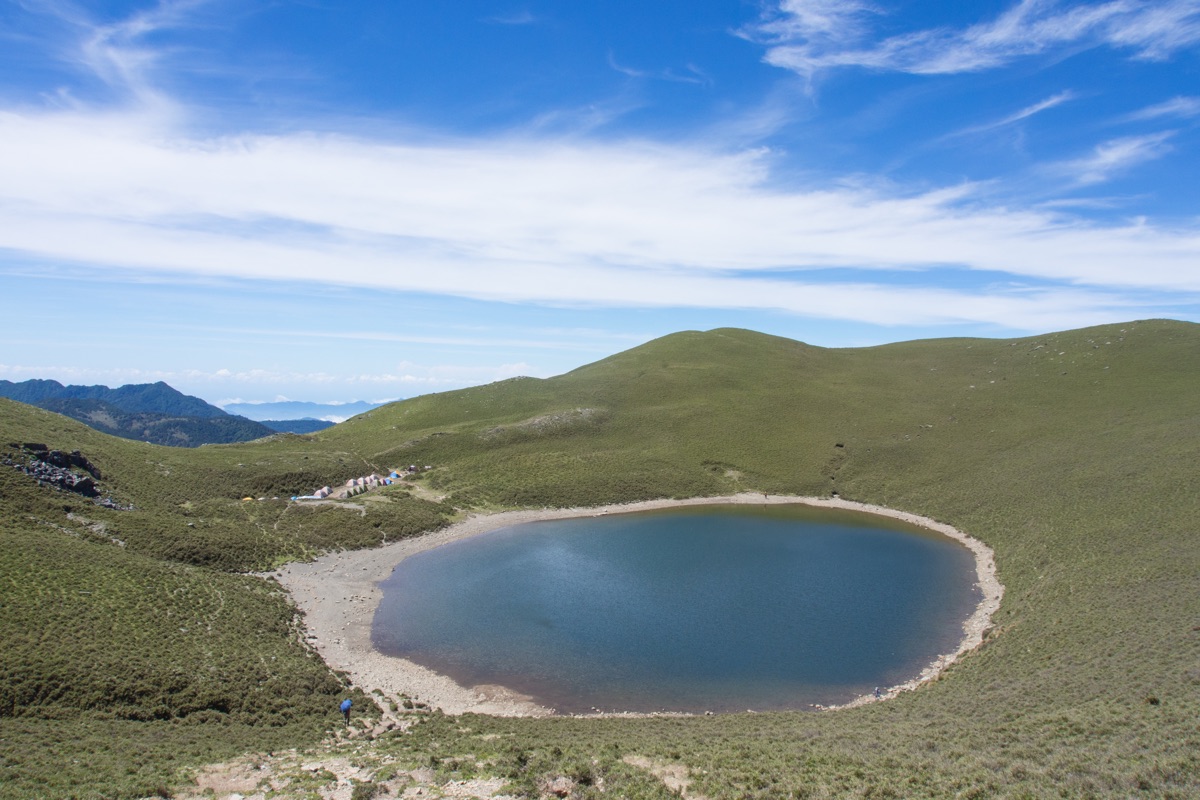
While the term "summer" implies heat, the July climate in Iceland is characterized by cool, variable temperatures that require a strategic approach to packing. You might experience a sunny afternoon at 55°F (13°C) followed by a misty, wind-swept morning at 40°F (4°C).
The weather is famously fickle, but it is much more manageable than the violent storms of winter.
Driving conditions during this period are generally excellent, especially on the paved Ring Road. The ice that dominates the winter months has retreated, allowing travelers to access more remote regions and even parts of the Highlands that are inaccessible during the colder months.
However, travelers should always prepare for rain and wind, regardless of the season.
| Feature | July Experience | Winter Contrast |
|---|---|---|
| Daylight | Near 24 hours of light | Very limited (4-5 hours) |
| Road Access | High (Highlands often open) | Low (Many roads closed/icy) |
| Temperature | Cool/Mild (40°F - 60°F) | Freezing/Sub-zero |
| Primary Activity | Hiking, Puffin watching | Northern Lights, Ice caves |
Maximizing Your Journey: How to reach the remote corners?
Driving along the southern coast near Vík, the sheer scale of the greenery against the black sand felt almost surreal under the constant daylight. It felt as though the landscape was breathing, fully awake and vibrant.
The Ring Road is the ultimate July circuit. Because the weather is more stable, you can reliably traverse the entire loop around the island, hitting everything from the remote fjords of the east to the dramatic cliffs of the north.
In July, you aren't just seeing the highlights; you can actually reach the remote corners that define the Icelandic spirit.
Natural wonders are at their peak accessibility during this time. Glacier walks are safer and more frequent, and the coastal cliffs are teeming with life, such as puffin colonies that only appear during these warmer months.
The ease of accessing natural hot springs also makes for perfect evening relaxation after a long day of trekking.
Planning Your Perfect Trip: What is the essential checklist?
I sat in a small rental car parked near Skógafoss, checking my gear and realizing that my waterproof shell was the most important item I owned. In Iceland, your wardrobe is your lifeline.
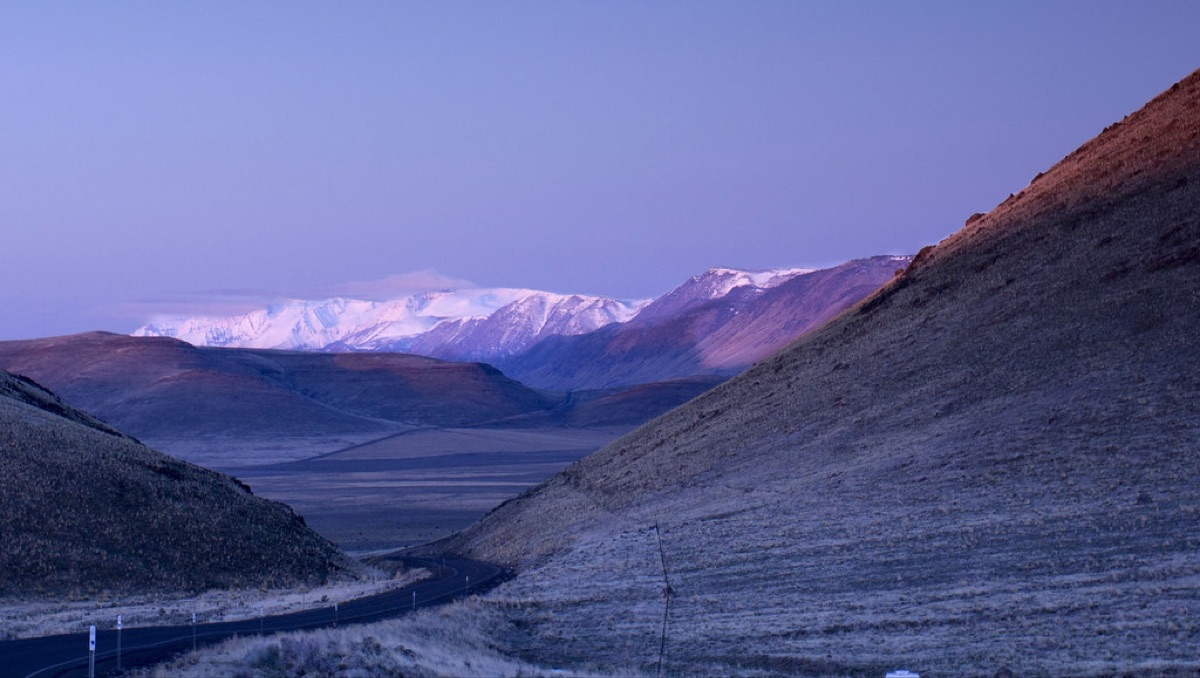
For a successful July trip, your logistics should focus on two things: mobility and layers. Renting a sturdy vehicle is essential, as even in summer, the terrain can be rugged. A 4x4 is highly recommended if you plan to venture off the main paved roads into the more adventurous areas.
To prepare for your journey, follow this essential summer checklist:
- Layer your wardrobe: Start with a moisture-wicking base layer, add a warm fleece or wool mid-layer, and always finish with a high-quality waterproof outer shell.
- Secure bookings months in advance: July is the peak of the peak season. Accommodations and car rentals should be secured at least 4 to 6 months ahead of time.
- Plan for flexibility: Do not over-schedule your days. Leave at least 2 hours of "buffer time" in your itinerary to account for sudden wind or rain delays.
- Verify road status: Check local road reports every morning before driving, especially if you are heading toward the interior highlands.
Beyond Sightseeing: What is the reality of modern Icelandic travel?
Walking through the streets of Reykjavík during a late-night summer stroll, the city felt alive with a quiet, energetic hum that you don't see in the dead of winter. It was as if the entire population had emerged from hibernation at once.
According to a 2013 report by the European Commission, Iceland's spending on scientific research and development was 3.11% of its GDP. According to World Bank data, Iceland recorded international tourist arrivals of 488,000 in 2020.
The scale of tourism in Iceland has transformed the country over the last two decades. In the early 2000s, the numbers were much lower, but the surge in global interest has made Iceland a major player in international travel.
According to the Icelandic Tourist Board, the total number of overnight stays by foreign visitors grew from 595,000 in 2000 to 2.1 million in 2010, before rising to 4.4 million in 2014.
This growth means that while the infrastructure is excellent, the popular spots can feel crowded. In July, you are traveling during the busiest window of the year. Understanding this context helps you plan for crowds at major sites like Gullfoss or the Blue Lagoon.
The sheer volume of visitors is a testament to the island's growing popularity, making it a well-serviced but busy destination.
FAQ
아이슬란드 7월 여행의 가장 큰 장점은 무엇인가요?
아이슬란드 여름(7월)에 어떤 활동들이 가능한가요?
아이슬란드 7월의 날씨는 어떤가요?
Related posts
IMF Intervention: 18% Rates and the Strain on Foreign Funds

High Interest Rates Stabilized Iceland Post-Banking Failure
Iceland Winter: Pursuing the Aurora Beyond Tourist Crowds
Iceland Residency: Beyond Tourist Visits After 1 Month
Popular posts
7 Days in Iceland: See Glaciers, Aurora, and Hot Springs

80s Onward: Björk Fuses Vocals with Experimental Soundscapes

82% State Funding Supports Symphony's Cultural Journey

Comments 0