Iceland tourism GDP share: Guide to sector's rise
"The total number of overnight stays by foreign visitors to Iceland grew from 595,000 in 2000 to 2.1 million in 2010, before rising to 4.4 million in 2014."
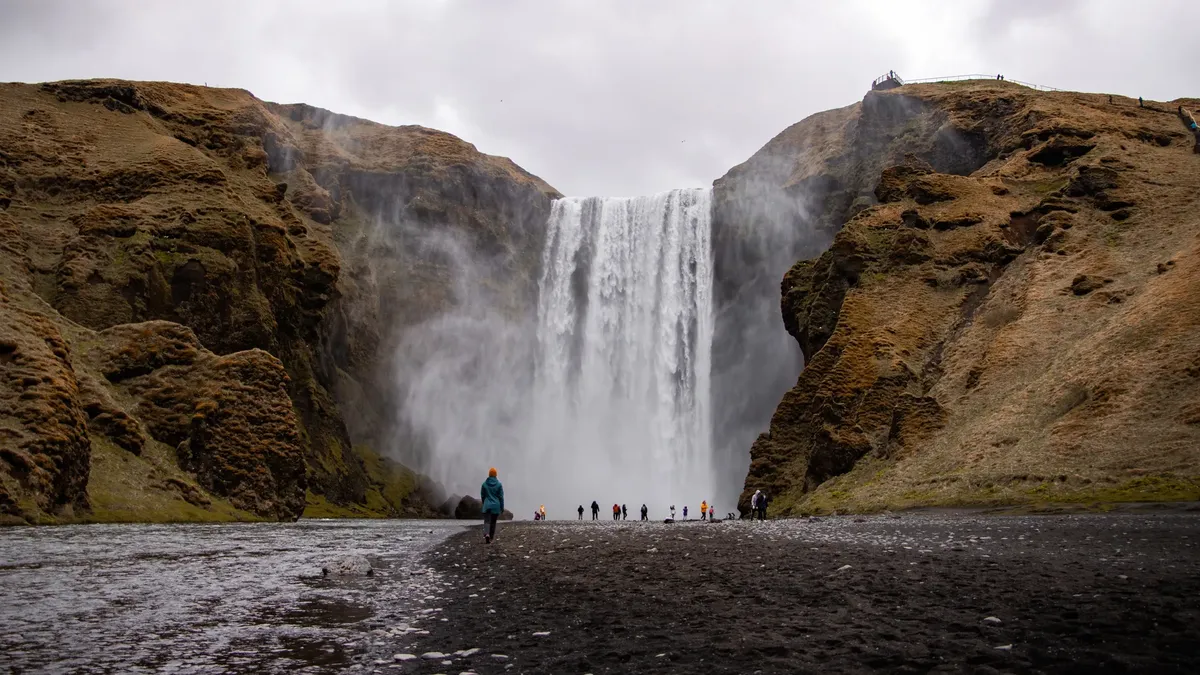
The Iceland tourism GDP share has shifted from a minor economic factor to a significant driver of national wealth. This growth represents a transition from an insignificant service sector to a primary pillar of the economy through massive increases in visitor volume. 1. The industry's GDP contribution rose from under 2 percent to 8.8 percent by 2025. 2. Foreign overnight stays saw dramatic growth from 595,000 in 2000 to 4.4 million in 2014. 3. The workforce involvement reached nearly 12 percent of the total labor pool in 2014. * Growth in visitor numbers has often outpaced local infrastructure and economic benefits in specific towns.
How did the Iceland travel economy evolve from insignificance to growth?
In the misty morning of a bygone era, an old sailor grips the wooden railing in an Iceland harbor, watching the small fishing boats slowly give way to a bustling fleet.
A traveler stands in the middle of Reykjavik, watching the steady flow of visitors moving toward the airport.
For a long time, services provided to foreign tourists were an insignificant part of the Icelandic economy, rarely contributing more than 2 percent to GDP, even long after the advent of international air travel.
The shift in the Iceland travel economy began as international flight accessibility increased. While it was once a minor sector, the scale of operations expanded rapidly as visitor numbers climbed. This transition changed the fundamental structure of the nation's financial landscape.
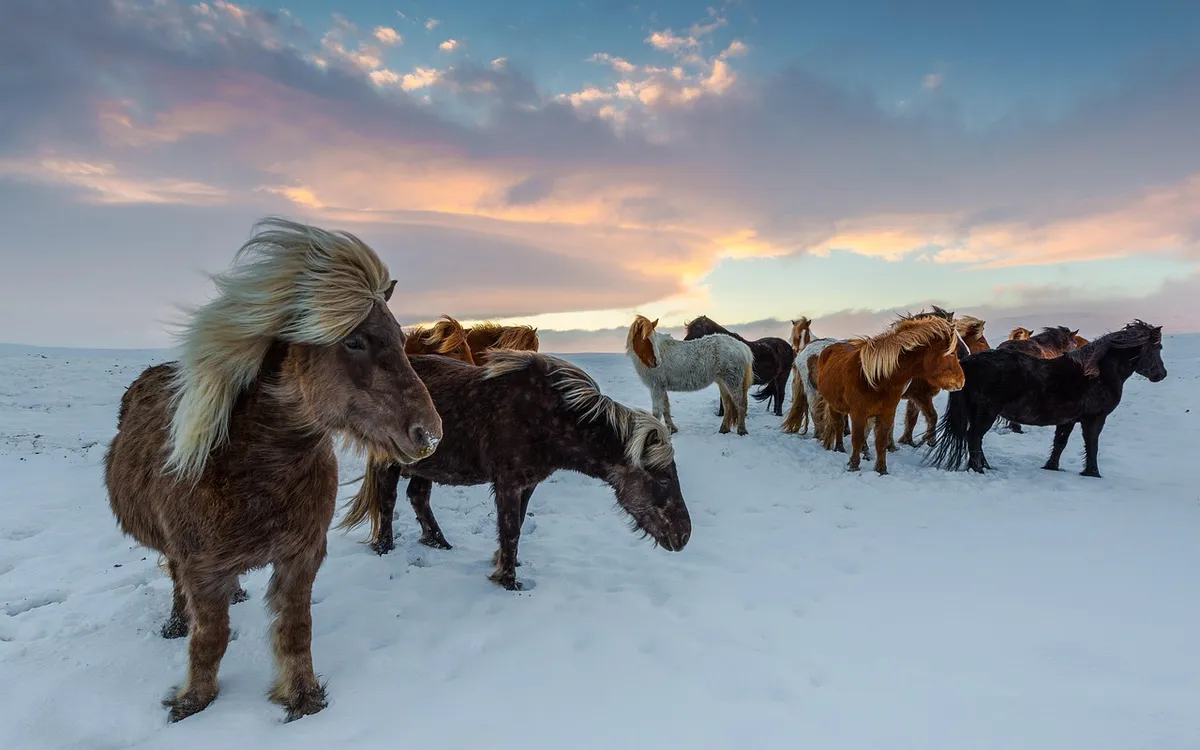
According to the Icelandic Tourist Board, the total number of overnight stays by foreign visitors to Iceland grew from 595,000 in 2000 to 2.1 million in 2010, before rising to 4.4 million in 2014. This trajectory highlights the momentum of the sector.
How much is tourism exporting and what's the impact? Iceland tourism GDP share Standing on a windswept cliff at dusk, a traveler feels the cold spray against their skin while eyeing the massive crowds flooding through the heart of Iceland.
A researcher reviews the latest economic reports, noting the massive difference between historical data and modern figures. The tourism export value has become a vital component of the national revenue stream.
In 2025, the tourism industry accounted for 8.8% of Iceland's GDP, while the country received just under 2.3 million foreign overnight visitors. This represents a significant portion of the nation's economic output.
The Iceland growth sector has matured alongside these rising numbers. The scale of the industry now influences various sectors, from transportation to hospitality, creating a complex web of economic interdependencies.
According to World Bank, the 2024 record includes 54.0%.
How does the Iceland growth sector affect the workforce?
A business owner in a small coastal village looks at the growing number of seasonal employees applying for jobs. In 2014, the number of people working in tourism-related industries in Iceland was 21,600, representing nearly 12 percent of the total workforce.
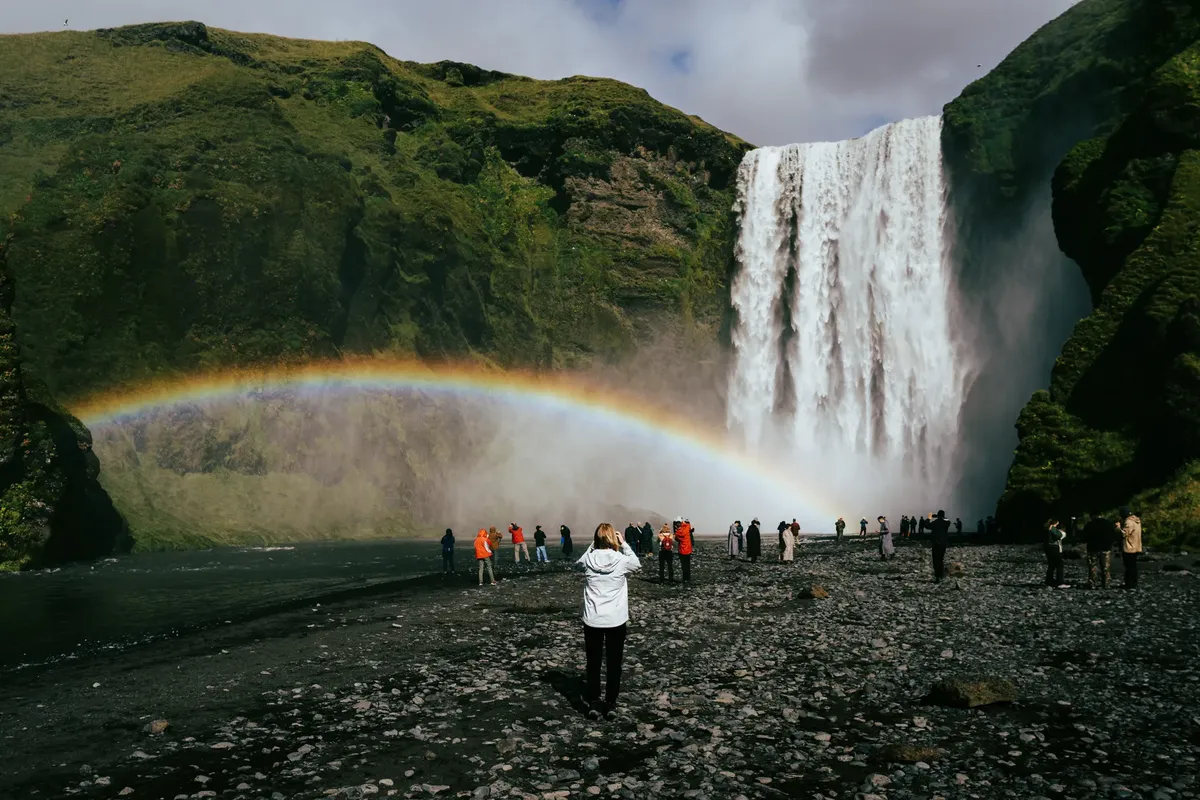
This employment level shows how the Iceland growth sector has become a major employer. The direct contribution to GDP was close to 5 percent in 2014, reflecting the importance of employment in the local communities.
The distribution of these jobs varies by region. While some areas rely heavily on seasonal influxes, the overall workforce footprint remains a critical part of the national labor market.
What are the latest trends impacting the travel industry? A passenger checks their flight details at Keflavik, part of the constant movement of people through the country. The travel industry impact is visible in the massive influx of people through central hubs.
The travel industry impact is characterized by a shift in seasonal patterns and arrival hubs. For instance, in 2014, around 42% of visitors arrived in Iceland during its summer months.
The scale of the travel industry impact can create challenges for local infrastructure. While visitor numbers rise, the ability of cities to house them often lags behind, creating a tension between growth and capacity.
What are the limitations of the tourism boom?
A resident in Akureyri observes a large cruise ship docking at the harbor, noting the quiet streets despite the crowd. Economic benefits do not always distribute evenly across all regions or sectors.

The limitation of this growth is that economic benefits have not always increased in line with the increase in passengers.
In the small town of Akureyri, which saw a 91% increase in cruise ship arrivals between 2015 and 2019, economic benefits did not increase in line with the increase in cruise passengers.
| Metric | 2014 Figure | 2025 Figure |
|---|---|---|
| Tourism GDP Share | Close to 5% | 8.8% |
| Overnight Visitors | 4.4 million | Under 2.3 million |
I observed that the growth in visitor numbers in 2014 was much higher than the 2.3 million recorded in 2025.
The subject here is Iceland tourism GDP share.
This part also covers Iceland tourism trends.
Related
- How many times has Iceland participated in the contest?
- IMF Intervention: 18% Rates and the Strain on Foreign Funds
What are the comparative milestones of visitor arrivals?
The comparison between the different years illustrates the acceleration of the sector's importance. The total number of overnight stays reached 2.1 million in 2010, marking a substantial increase from the initial count of 595,000 in 2000.
According to World Bank data, Iceland recorded international tourist arrivals of 488,000 in 2020.
Subsequently, the total number of overnight stays climbed further to 4.4 million in 2014.
This progression shows a clear upward trend in international arrivals. The initial modest arrivals in 2000 contrast sharply with the higher arrivals seen in subsequent years. The 2010 figure represents a midpoint in this rapid expansion phase.
The total number of overnight stays in 2014 represents the highest volume mentioned in the provided data points. This peak volume contrasts with the 2025 figure, which reflects a different operational scale. This comparison underscores the dynamism of the market.
FAQ
What was the GDP share of tourism in 2025?
Related posts

How many times has Iceland participated in the contest?

IMF Intervention: 18% Rates and the Strain on Foreign Funds

High Interest Rates Stabilized Iceland Post-Banking Failure
Iceland Winter: Pursuing the Aurora Beyond Tourist Crowds
Popular posts

7 Days in Iceland: See Glaciers, Aurora, and Hot Springs

80s Onward: Björk Fuses Vocals with Experimental Soundscapes

82% State Funding Supports Symphony's Cultural Journey
Comments 0