Iceland Camping: Choose Campsites Wisely for Your Trip
"The wind doesn't care about your itinerary, and the rain doesn't respect your tent stakes."
If you are planning to sleep under the Icelandic sky, you aren't just booking a room; you are negotiating with the elements.
Success in an Icelandic camping trip depends entirely on understanding the difference between a managed campsite and the wild, and knowing how to prepare for a landscape that changes every twenty minutes.
Key Takeaways
* Know the Law: Wild camping is generally restricted to specific areas; always use official campsites to stay legal and safe. * Season Dictates Strategy: Summer offers accessibility, while shoulder seasons require heavy-duty gear and advanced planning. * Logistics Matter: Renting high-quality, local gear is often smarter than lugging heavy equipment from home.
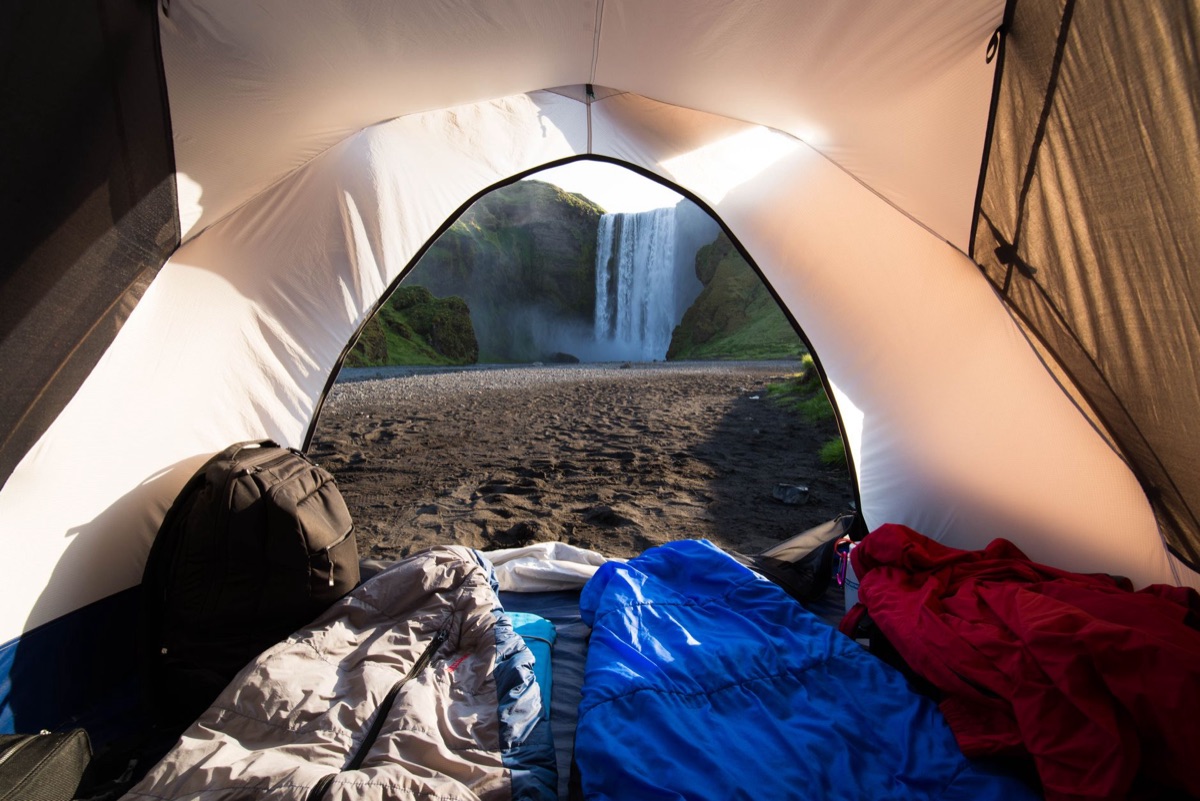
What kind of campsite should I choose in Iceland? The gravel crunches under your boots as you pull into a small, fenced-in plot near Skógafoss, the sound of falling water echoing in the distance. You look at your map, wondering if you can just pull over by the roadside instead of paying the entry fee.
In Iceland, you cannot simply park a van or pitch a tent anywhere you see a pretty view. Most of the country is covered by private land or protected nature reserves where "wild camping" is strictly prohibited to protect the fragile moss and volcanic soil.
Official campsites are your primary option. These are often located near small towns or major landmarks and provide essential amenities like hot showers, electricity for charging devices, and sanitary toilet facilities.
Some are large, well-equipped hubs, while others are small, family-run plots that might only offer a single water tap and a small patch of grass.
If you are looking for deep immersion, look for campsites located in the fjords of the Eastfjords or near the remote reaches of the North. These often offer more solitude than the crowded sites near the Golden Circle.
Always check if a site requires a reservation, especially during the peak months of July and August, as the most scenic spots can fill up fast.
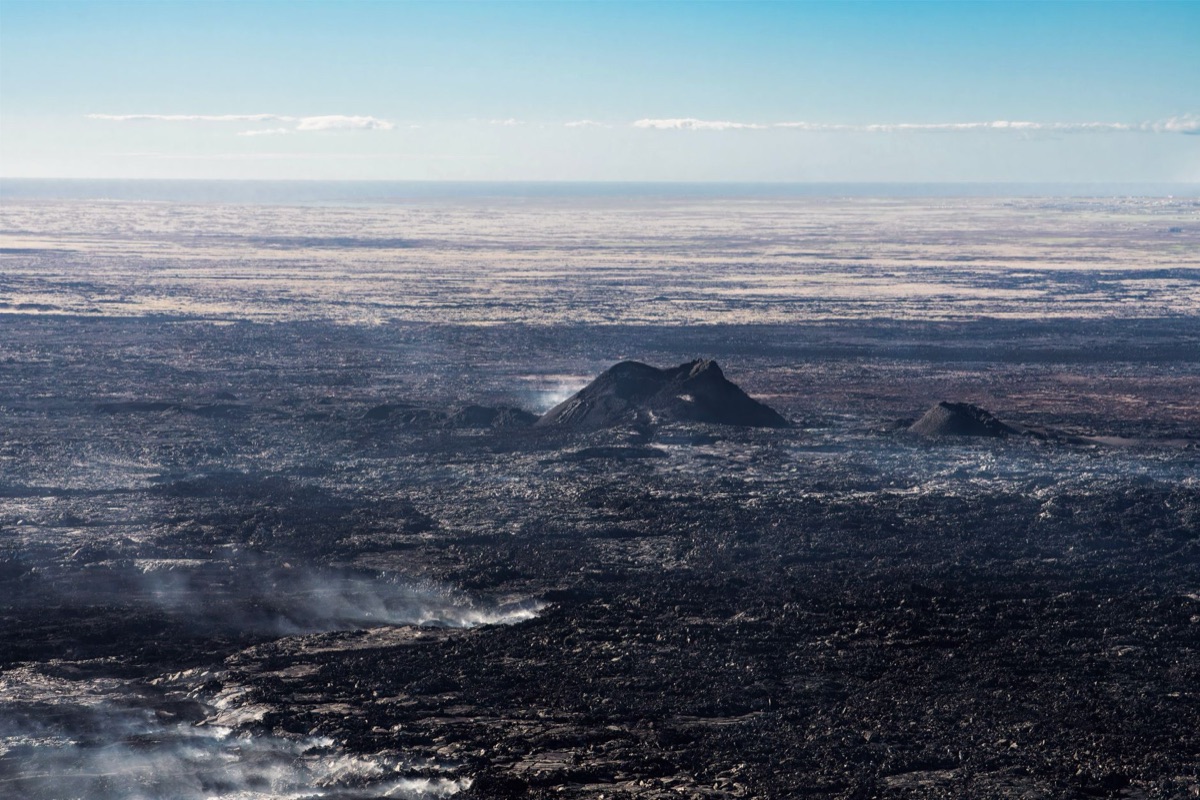
How do I plan my Icelandic camping trip? The morning mist clings to the windshield of your 4x4 as you navigate a winding dirt track toward the highlands, the engine humming a steady rhythm against the silence of the vastness.
According to the Icelandic Tourist Board, the total number of overnight stays by foreign visitors to Iceland rose to 4.4 million in 2014.
Your route determines your camping experience. For a first-timer, the Ring Road (Route 1) is the gold standard. It circles the entire island, connecting various regions and offering a diverse range of campsites from coastal plains to mountain valleys.
A 7-day itinerary might focus on the South Coast, while a 10-day trip allows you to push into the North or the Snaefellsnes Peninsula.
Timing is your biggest logistical hurdle. If you visit in July, you will deal with the Midnight Sun—nearly 24 hours of daylight—which makes navigation easy but can disrupt your sleep cycle.
If you visit in September or October, you gain a much higher chance of seeing the Aurora Borealis, but you must prepare for much colder nights and more unpredictable weather.
| Travel Style | Recommended Route | Best Season | Primary Focus |
|---|---|---|---|
| The Classic | Ring Road (Full Circle) | June - August | Diverse landscapes & accessibility |
| The Deep Dive | South Coast & Highlands | July | Waterfalls, glaciers, & trekking |
| The Northern Explorer | North Iceland & Akureyri | May - September | Whale watching & volcanic activity |
Gear Up Right: Camping Gear Rental and Essential Packing Tips
You stand in a rental shop in Reykjavik, staring at a heavy-duty four-season tent that looks more like a small house than a piece of camping equipment. The clerk explains that the wind in the North can snap a cheap pole in seconds.
For most travelers, renting gear locally is the most efficient way to travel. Lugging a tent, sleeping bag, and stove through international airports is exhausting and expensive.
Many rental agencies in Iceland provide "camping packages" that include high-quality, wind-resistant tents, insulated sleeping pads, and reliable cooking stoves.
When selecting gear, prioritize wind protection and warmth. Even in summer, temperatures can drop near freezing overnight. A high-quality sleeping bag with a low temperature rating is non-negotiable.
Additionally, waterproof layers are your best friend; you need a shell that can handle heavy rain and driving wind without soaking through to your skin.
Regarding food, you can rely on local supermarkets like Bónus or Krónan to stock up on supplies. Most campers find that a portable camping stove and a basic mess kit are enough for preparing simple, hearty meals.
Just remember that in remote areas, you must carry enough fuel and food to last until you reach the next settlement.
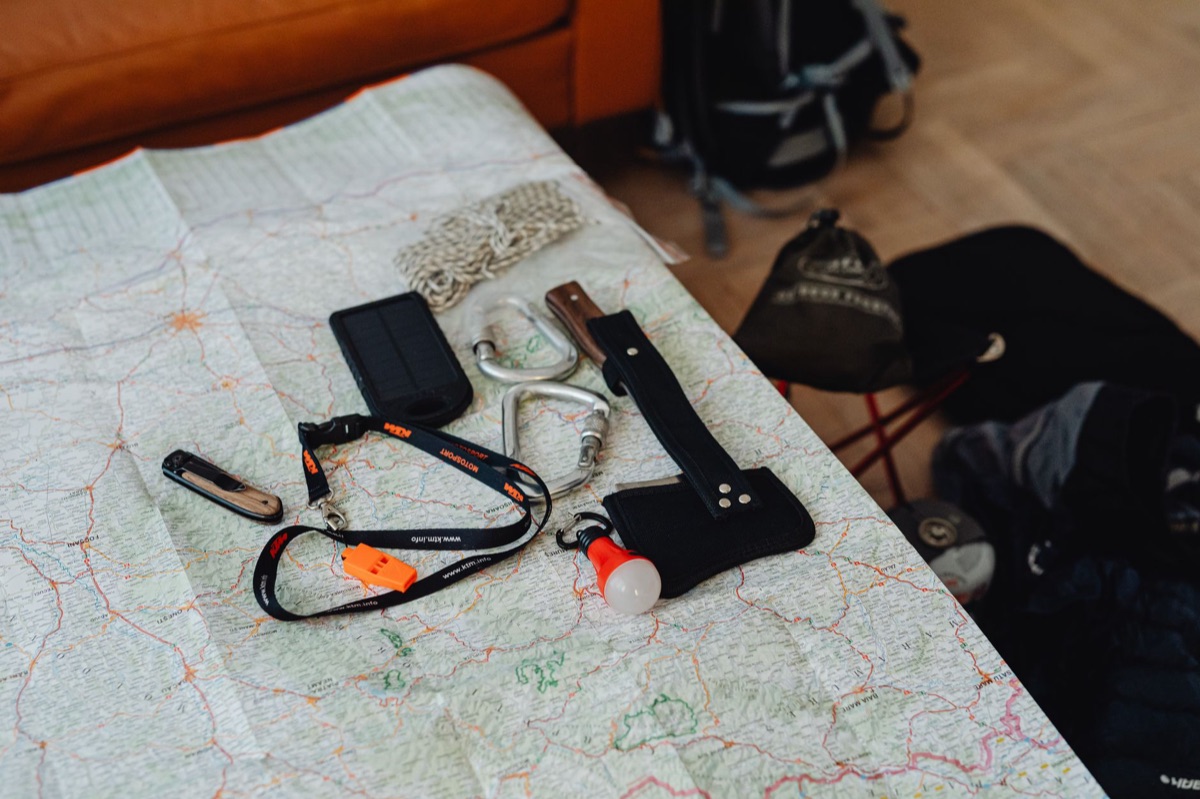
Beyond the Tent: Embracing the Local Camping Culture
The smell of sulfur from a nearby geothermal vent drifts through the air as you sit on a wooden bench, watching a local resident tidy up their campervan. There is a quiet, respectful rhythm to the way people move through this landscape.
According to the European Commission, over 85% of Icelanders found independence to be "very important" in a 2005 analysis, reflecting a deep-seated cultural value.
In the June 2005 European Commission Eurobarometer public opinion analysis, it was noted that over 85% of Icelanders found independence to be "very important."
Icelanders have a profound, almost spiritual connection to their environment. This is reflected in their camping culture, which emphasizes respect for nature. You will notice that even at busy sites, there is a general understanding of quiet hours and leaving no trace.
The landscape itself is steeped in folklore. From the hidden people (elves) believed to live in rock formations to the legendary sagas of the Vikings, there is a sense that the land is alive. When you camp, you aren't just a visitor; you are a guest in a living history book.
Respecting local etiquette is key. This includes using designated paths to avoid trampling sensitive vegetation and being mindful of water sources. While the water in many Icelandic streams is pure, always check local guidance before drinking from natural sources.
Engaging with locals in small-town cafes is often more rewarding than any tourist attraction; they can provide real-time updates on road conditions and weather that no app can match.
Making it Work: Budgeting, Safety, and Contingency Planning
The sound of a sudden, heavy rainstorm hitting the tent fabric wakes you in the middle of the night, a sharp reminder of the power of the elements. You check your flashlight, feeling the chill in the air, and realize you need to move to a sturdier shelter tomorrow.
According to World Bank data, Iceland recorded a GDP per capita of US$98,323 in 2025.
Budgeting for an Icelandic camping trip requires flexibility. While camping is significantly cheaper than staying in hotels, costs for fuel, campsite fees, and high-quality food can add up.
It is wise to set aside a contingency fund for unexpected expenses, such as vehicle repairs or sudden changes in travel plans due to weather.
Safety is your highest priority. Iceland's weather can turn violent in minutes. Always check the official weather website (vedur.is) and road condition reports (road.is) every single morning before setting out. If a road is marked as closed, do not attempt to drive it.
Follow these essential safety steps: 1. Never camp alone in remote areas: Always let someone know your planned route and expected return time. 2. Check your gear daily: Ensure your tent is properly staked and your sleeping bag is dry. 3.
Respect the wind: If the wind is too strong to set up a tent, seek shelter in a vehicle or a permanent building. 4. Carry a first-aid kit: Ensure it includes thermal blankets and basic wound care. আক্রমণ 5. Stay on marked paths: This prevents accidents and protects the environment.
While the adventure of camping in Iceland is unparalleled, it is not for the faint of heart. It requires preparation, respect for the rules, and a willingness to adapt to a wild, unpredictable environment.
If you go in with eyes wide open, the rewards—the silence of a glacier valley or the dance of the Aurora—will stay with you forever.
FAQ
아이슬란드에서 캠핑할 때 가장 중요한 것은 무엇인가요?
아이슬란드에서 어디든 자유롭게 야영할 수 있나요?
아이슬란드 캠핑장 유형별로 어떤 점을 고려해야 하나요?
Related posts

IMF Intervention: 18% Rates and the Strain on Foreign Funds

High Interest Rates Stabilized Iceland Post-Banking Failure
Iceland Winter: Pursuing the Aurora Beyond Tourist Crowds
Iceland in July: Unlock 24 Hours of Golden Daylight
Popular posts
7 Days in Iceland: See Glaciers, Aurora, and Hot Springs
80s Onward: Björk Fuses Vocals with Experimental Soundscapes

82% State Funding Supports Symphony's Cultural Journey

Comments 0