Iceland Residency: Beyond Tourist Visits After 1 Month
"The wind doesn't just blow in Iceland; it speaks, and if you stay long enough, you start to understand the dialect."
Transitioning from a week-long road trip to a multi-month residency requires a fundamental shift in how you view the landscape. You move from being a spectator of the scenery to a participant in a delicate, high-latitude ecosystem.
* Integration vs. Isolation: Moving beyond the "tourist bubble" to understand the social fabric of a small, highly educated society. * Logistics Mastery: Managing the realities of geothermal infrastructure, extreme seasonal shifts, and high living costs. * Cultural Nuance: Respecting the deep-rooted connection between the people, their history, and the volatile environment.
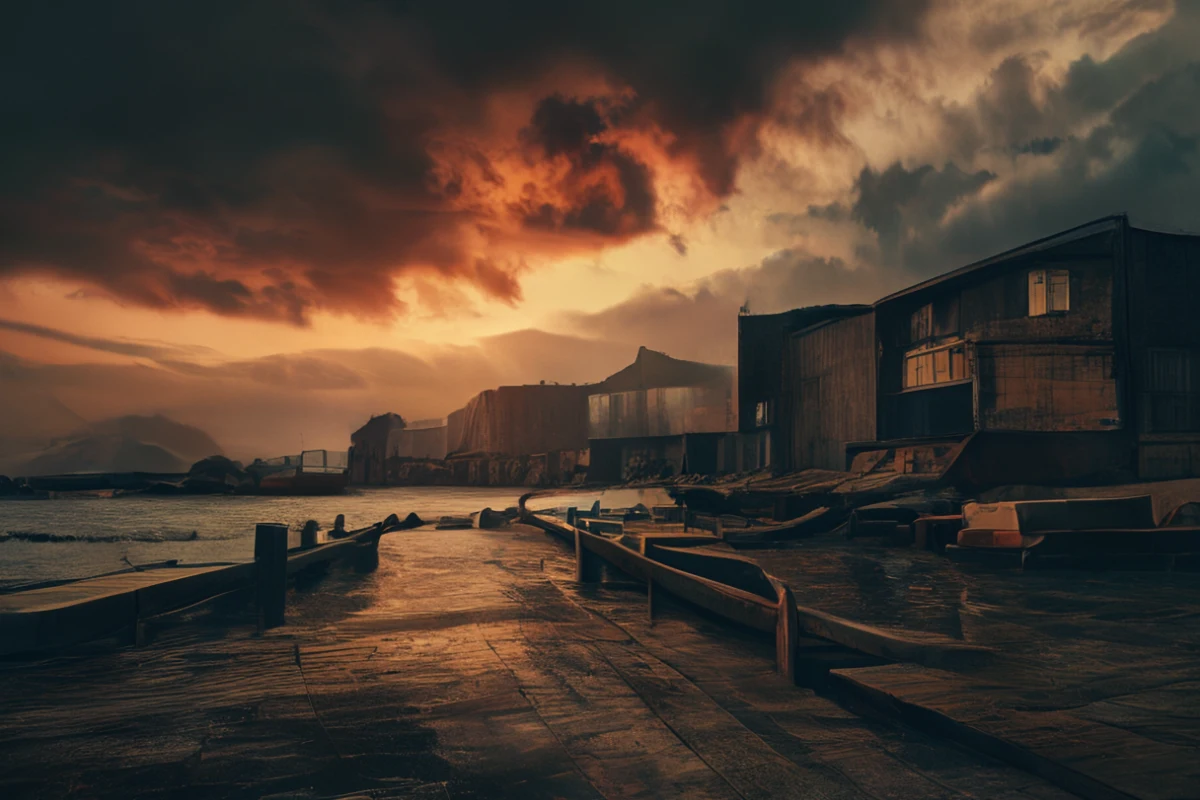
Why Settle Down? Comparing Tourist Visits vs. Residency Life
I remember sitting in a small cafe in downtown Reykjavík during a heavy rainstorm, watching travelers scramble to take photos of a single puddle while a local resident calmly walked past, eyes fixed on the horizon. In that moment, the divide between the visitor and the resident became crystal clear.
According to a 2013 report by the European Commission, Iceland's spending on scientific research and development was 3.11% of its GDP.
The transition from a transient visitor to an integrated resident is a shift in perspective. For a tourist, the Golden Circle is a bucket-list item; for a resident, it is a road that might be closed due to wind or ice. The scale of the country is deceptive.
While the Ring Road feels vast, the population is concentrated. For instance, Reykjavík is home to approximately 35% of the country's roughly 395,000 residents, creating a unique dynamic where the capital feels like a bustling city while the rest of the country maintains a quiet, communal rhythm.
The economic landscape has also shifted significantly over the decades. According to the Icelandic Tourist Board, the total number of overnight stays by foreign visitors grew from 595,000 in 2000 to 2.1 million in 2010, before rising to 4.4 million in 2014.
While this growth fueled the economy, long-term residents deal with the infrastructure pressures that come with such a massive influx. Living here means navigating the tension between a booming tourism industry and the needs of a permanent population.
But how do you actually live within that tension?
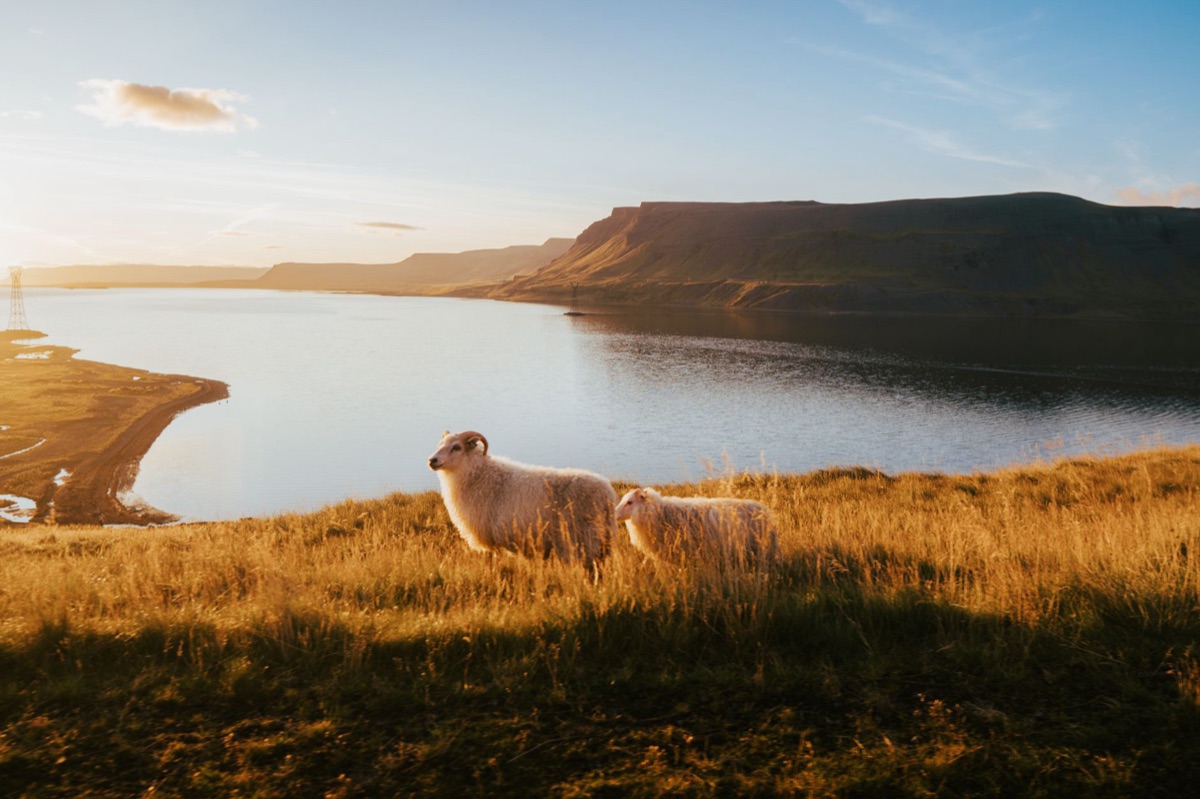
How do I explore Iceland beyond the Ring Road? Walking through a quiet neighborhood in Akureyri in the middle of November, the smell of sulfur in the air is a constant reminder of the heat beneath your feet. It isn't an unpleasant smell; it is the smell of home and warmth.
Understanding the utility and infrastructure is vital for anyone staying long-term. Iceland relies heavily on geothermal energy, which provides much of the heating and hot water for homes.
This isn't just a "green feature"; it is the backbone of daily life that makes living in subarctic temperatures possible.
In the capital, you might feel the pulse of a modern metropolis, but in places like Akureyri, you experience the reality of living in a smaller, tight-knit community where the seasons dictate everything.
The rhythm of life changes drastically depending on the time of year. In the summer, the midnight sun provides endless light and a burst of energy, but in the winter, the darkness necessitates a different kind of mental fortitude.
The modern development of the country is reflected in its focus on innovation; for example, a 2013 Eurostat report by the European Commission noted that Iceland spends around 3.11% of its GDP on scientific research and development (R&D), highlighting a society that values progress and stability.
However, the sheer power of the environment means you are never truly in control. This leads to a question of survival: can you actually afford to stay?
How do I handle money, groceries, and utilities? I once stood in a supermarket aisle in Keflavík, staring at the price of a single head of lettuce, wondering how anyone could sustain a lifestyle here without a plan. It was a humbling lesson in the cost of living. According to the World Bank, Iceland recorded a GDP per capita of US$98,323 in 2025.
Living in Iceland is significantly more expensive than most North American destinations. The "tourist pricing" you encounter at high-end restaurants in the capital is often different from the reality of daily grocery shopping. To survive long-term, you must learn to navigate the local supply chain.
| Category | Tourist Approach | Resident Approach |
|---|---|---|
| Dining | High-end restaurants & cafes | Cooking at home & local bakeries |
| Shopping | Specialty souvenir shops | Local supermarkets (Bónus/Krónan) |
| Transport | Rental cars & tours | Used vehicles & local transit |
| Utilities | Included in accommodation | Managed monthly subscriptions |
The hidden costs of living include high utility rates and the sheer expense of imported goods. While geothermal heating is efficient, other necessities can be pricey. For digital nomads, the challenge lies in balancing the desire for mobility with the high cost of setting⠈setting up a base.
It is important to note that these financial realities vary wildly depending on your residency status and whether you are living in the capital or a remote fjord. High-income professionals may find the costs negligible, while those on a fixed budget must be extremely disciplined.
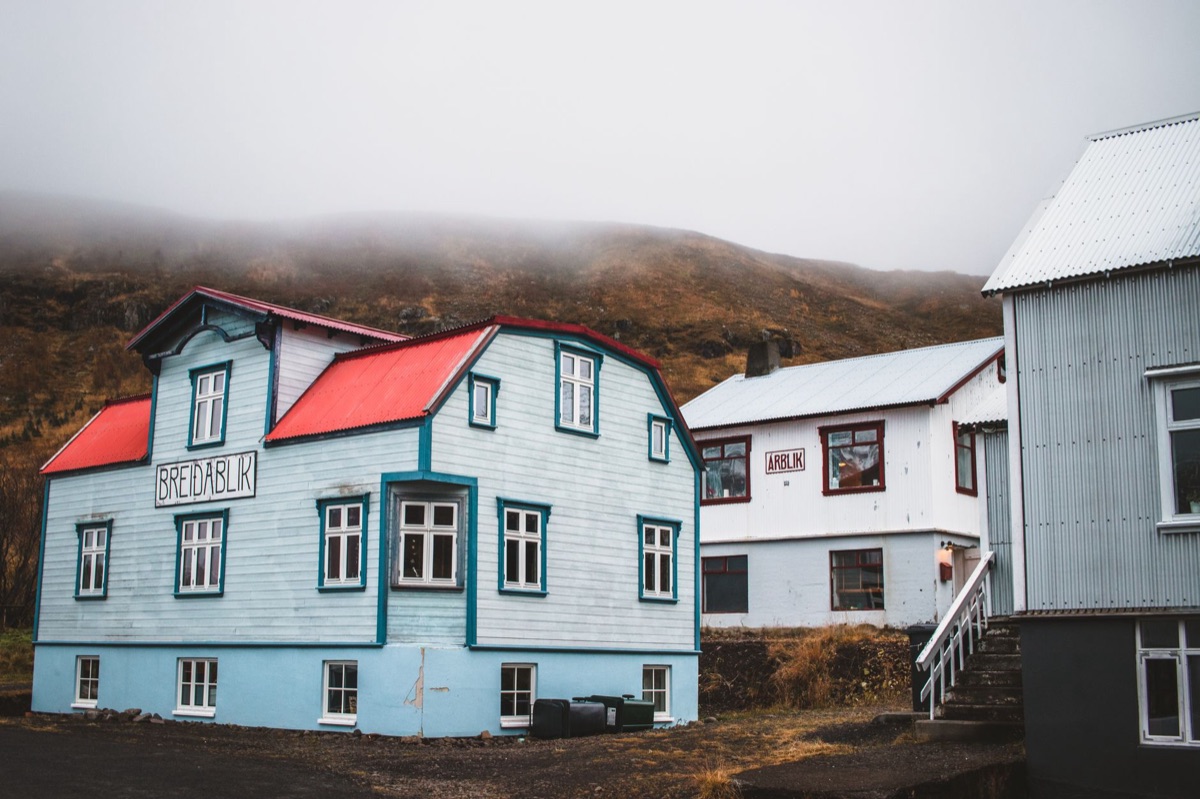
Cultural Immersion: Beyond the Blue Lagoon Narrative
Sitting on a black sand beach in Vík, feeling the spray of the Atlantic hit my face, I realized that the legends of the hidden people (elves) weren't just stories for tourists—they were a way of expressing respect for a landscape that can turn deadly in an instant.
To live here is to respect the land. The deep-seated cultural relationship with the sagas, folklore, and the volatile landscape is not a performance; it is a survival mechanism.
The extreme weather dictates the annual rhythm, and learning to "read" the weather is a fundamental skill for any resident.
The social fabric is tight. In smaller towns, everyone knows everyone, and community integration is key to feeling at home. While English is widely spoken, learning the Icelandic language is a significant door-opener.
It shows respect for the heritage of a nation that has fought hard to maintain its unique identity. But how do you transition from a visitor to a functioning part of this society?
Making it Work: Long-Term Logistics & Settling In
I remember the sheer amount of paperwork involved in my first month of residency—the endless stamps, the digital signatures, and the slow, methodical pace of local bureaucracy. It was a test of patience.
Settling in requires a structured approach. While there is no legal advice provided here, anyone looking at long-term stays should be prepared for the administrative realities of residency and visas.
- Choose your base: Decide between the urban energy of the capital or the quiet, seasonal life of the North or South.
- Prepare for the seasons: Invest in high-quality, professional-grade winter gear immediately.
- Understand the pace: Local bureaucracy moves at its own speed; patience is a necessity.
- Budget for the "hidden" costs: Always keep a buffer for sudden weather-related travel changes or heating fluctuations.
The mobility factor is a major consideration. Choosing between a city base and a countryside home will change your experience of the Icelandic identity. In the city, you have access to culture and services; in the countryside, you have the raw, unfiltered nature that many come here to find.
FAQ
아이슬란드 방문객과 거주민의 가장 큰 차이점은 무엇인가요?
아이슬란드 거주 생활에서 고려해야 할 주요 현실적인 측면들은 무엇인가요?
아이슬란드의 인구 분포나 관광객 수에 대한 통계적 사실은 무엇인가요?
Related posts

IMF Intervention: 18% Rates and the Strain on Foreign Funds

High Interest Rates Stabilized Iceland Post-Banking Failure
Iceland Winter: Pursuing the Aurora Beyond Tourist Crowds

Iceland in July: Unlock 24 Hours of Golden Daylight
Popular posts
7 Days in Iceland: See Glaciers, Aurora, and Hot Springs

80s Onward: Björk Fuses Vocals with Experimental Soundscapes
82% State Funding Supports Symphony's Cultural Journey
Comments 0