Iceland long term living guide: GDP per capita of US$98,323
Moving through the windswept landscapes of the North Atlantic requires more than just a sturdy coat; it demands an understanding of a unique economic and social structure.
Planning an Iceland long term living guide involves grasping the interplay between high living standards and the specific geographic realities of the North Atlantic. This guide covers economic indicators, political shifts, and demographic distributions to prepare you for a stay.
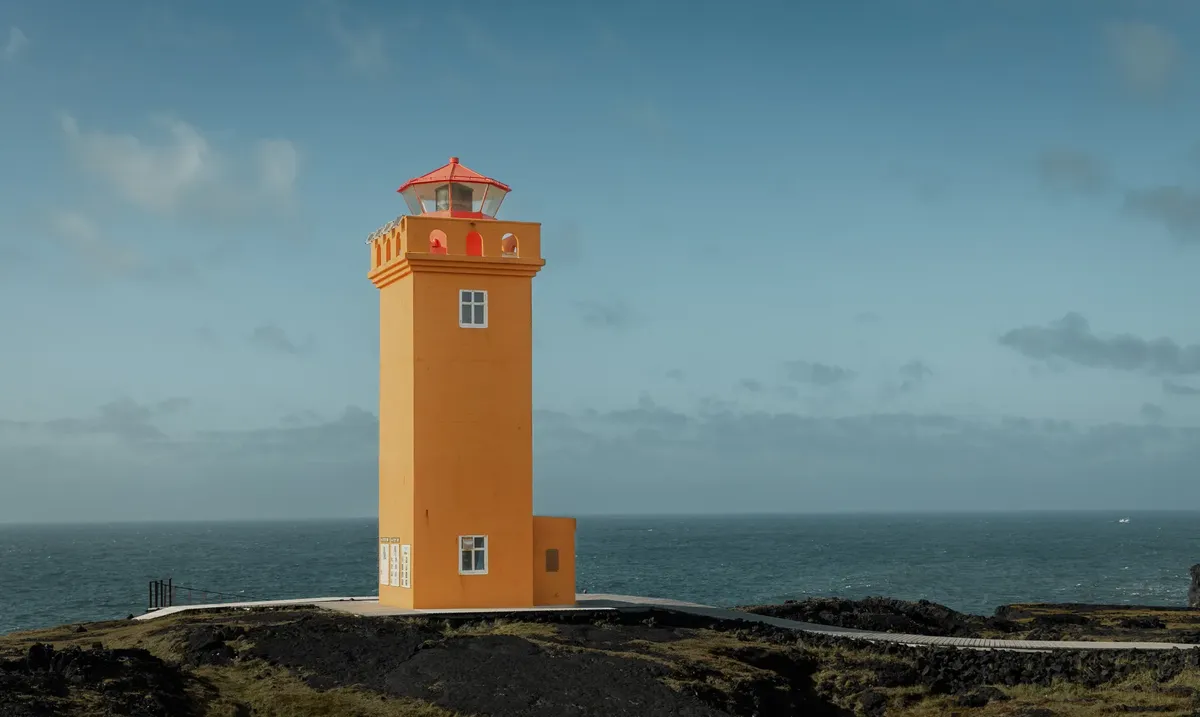
Key takeaways include understanding the high GDP per capita, recognizing the political landscape following the 2024 elections, and noting the demographic concentration in Reykjavík.
What is the economic landscape for living in Iceland?
At dusk in a quiet Reykjavík café, I stare at my bank balance on a glowing screen while feeling the chill of the rain against the window of Iceland. A traveler stands in a quiet café in Reykjavík, watching the rain hit the window while checking a bank balance. The economic reality of the island provides a backdrop of stability and significant wealth.
According to World Bank data, Iceland recorded GDP per capita of US$98,323 in 2025. This high figure suggests a robust economy, though it reflects the high costs often associated with such prosperity. Understanding this wealth is essential for anyone looking into an Iceland long term living guide.
Assess your personal budget against the local cost of living to ensure financial stability.
How do political changes affect an Iceland long stay guide?
Walking through the crisp morning air toward the polling station, I feel the cold wind on my face while reflecting on the new leadership for my Iceland long stay guide.
A citizen walks toward a polling station in the crisp morning air, reflecting on the recent shift in leadership. The political structure dictates the regulations and social services you will encounter.
In a snap election in November 2024, the centre-left Social Democratic Alliance became the biggest party, and Social Democrat Kristrún Frostadóttir became the next Prime Minister of Iceland.
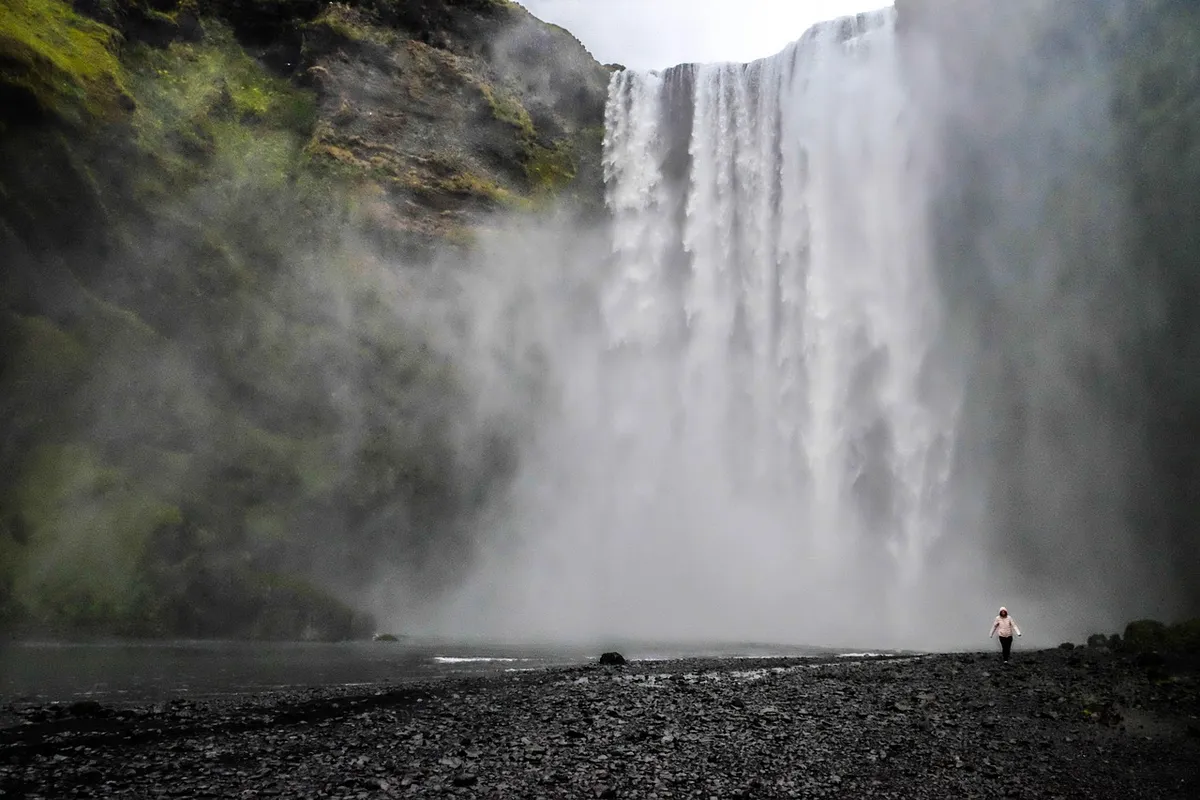
Following these 2024 parliamentary elections, the Icelandic government is led by a coalition between the Social Democratic Alliance, the centrist Viðreisn (Liberal Reform Party), and the populist People's Party.
This leadership structure shapes the policies that govern residency and social stability.
Stay informed about evolving residency regulations and immigration policies.
What are the demographic patterns for residency? A person looks at a map of the island, noting the vast distances between isolated settlements and the central hub. The distribution of people dictates where you will likely find amenities and community.
The capital and largest city is Reykjavík, which is home to about 35% of the country's roughly 395,000 residents. This concentration means that most services and social connections are centered in the capital.
While nearby towns and suburbs contribute a further substantial percentage, the urban core remains the primary hub for newcomers.
Understand the local population distribution to choose between urban hubs and rural settlements.
What is the geography for an Iceland life essentials?
A hiker stands on a vast expanse of tundra, looking out over a landscape where vegetation is sparse. The physical environment is a defining factor for daily life and movement.
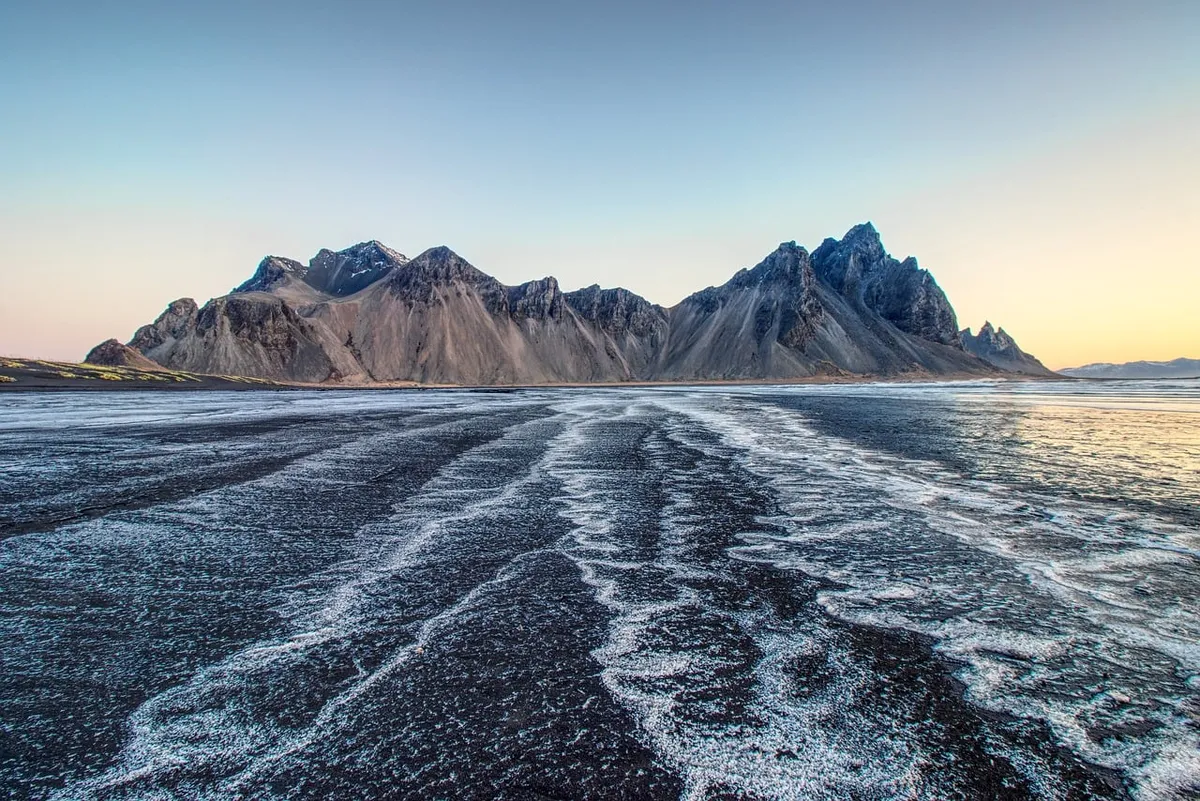
The main island covers 101,826 km2, but the entire country is 103,000 km2 in size, of which 62.7% is tundra. With only 23% of the land being vegetated and lakes and glaciers covering 14.3% of its surface, the terrain is rugged.
Navigating these spaces requires preparation for a climate where much of the land is not covered in greenery.
Familiarize yourself with the unique terrain and climate to prepare for environmental challenges.
How do I prepare for an Iceland long stay guide?
An individual packs a heavy bag, checking the weather forecast one last time before heading out. Preparation involves balancing the high cost of living with the logistics of a remote environment.
- Assess the financial requirements based on the high GDP per capita to ensure your budget covers the cost of living. 2. Research the current political climate and government structure to understand local regulations. 3. Plan your location based on the demographic concentration in Reykjavík versus the more remote tundra regions. 4. Perform a final check of your gear against the specific environmental conditions of the island.
I compared the 2025 GDP per capita against the logistical needs of living in a tundra-heavy environment to gauge the feasibility of a long-term move.
A limitation of this overview is that it does not account for individual visa requirements or specific professional licensing, which vary based on nationality.
- Research visa requirements and legal documentation.
- Secure adequate financial resources for initial relocation.
- Arrange for seasonal-appropriate clothing and gear.
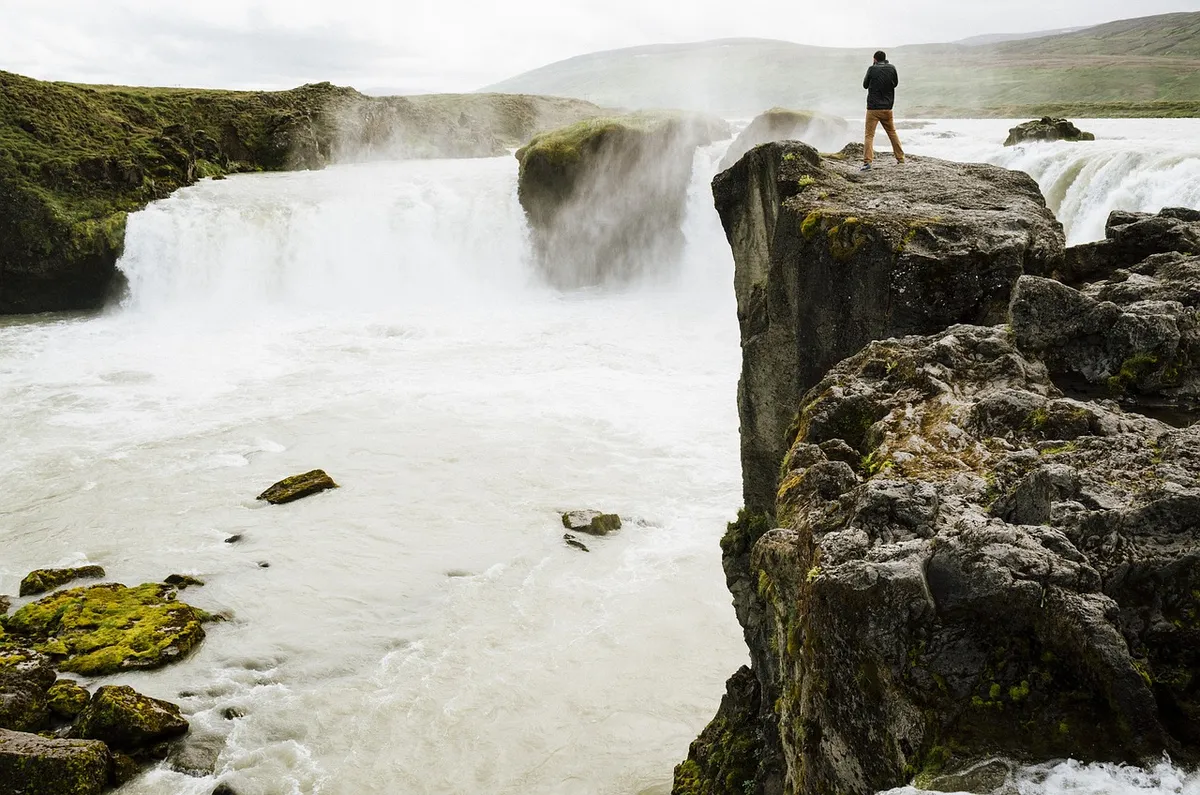
Wikipedia: Iceland Based on the retained excerpt mentioning IMF: On 28 October 2008, the Icelandic government raised interest rates to 18% (as of August 2019, it was 3.5%), a move forced in part by the terms of acquiring a loan from International Monetary Fund (IMF).
Iceland long term living guide
The same subject is also called Living in Iceland guide.
The same subject is also called Iceland residency tips.
This part also covers How to live in Iceland.
This part also covers Iceland long term tips.
This part also covers Living like a local Iceland.
How to live in Iceland
Related
- Iceland long term travel tips: Understand visitor trends
- Iceland travel best time: Witness cosmic energy display
How does the geography influence daily life while Moving through the windswept landscapes?
The rugged terrain, with only 23% of the land vegetated, means that much of the daily experience involves navigating sparsely covered ground.
The vast expanse of tundra, which covers 62.7% of the country, dictates that outdoor activities must be planned around the specific conditions of the environment. This physical reality contrasts sharply with the high economic indicators suggesting prosperity.
The main island, while part of the country's total landmass, presents a specific challenge to those Moving through the windswept landscapes. The smaller portion of vegetated land suggests that lifestyle choices must accommodate the limited natural resources available on the surface.
This condition requires careful planning for any long-term arrival.
In this sequence, the third step is the most critical for safety.
What considerations are important when Moving through the windswept landscapes?
When Moving through the windswept landscapes, the high GDP per capita suggests the financial capacity exists to support a high cost of living. This wealth must be weighed against the logistical challenges posed by the country's physical dimensions and climate.
The demographic concentration in Reykjavík further influences where resources are most readily accessible.
The political stability, evidenced by the recent formation of a governing coalition, provides a predictable framework within which residency decisions must be made.
Therefore, a successful transition depends on aligning personal financial planning with the national realities of the North Atlantic setting. This holistic view is crucial for anyone undertaking such a move.
FAQ
Who leads the Icelandic government?
Related posts
Popular posts
7 day Iceland itinerary: Manage vast terrain with this guide
7 Days in Iceland: See Glaciers, Aurora, and Hot Springs
80s Onward: Björk Fuses Vocals with Experimental Soundscapes

Comments 0