Aurora viewing guide: Iceland aurora viewing guide best tips
"The lights dance in curtains of green and violet, a silent symphony written across the Arctic sky."
To witness the aurora in Iceland, you must seek dark skies, clear weather, and high solar activity during the winter months. Travelers should prioritize locations away from city lights like Reykjavik and monitor real-time solar forecasts to maximize their chances of a sighting.
* Seek darkness far from urban centers. * Monitor solar activity and cloud cover. * Prepare for winter temperatures and limited daylight.
Where are the best spots to see the aurora in Iceland?

At midnight, you shiver on the frozen shoreline while scanning the dark horizon for the first flicker of the aurora. Standing on a frozen shoreline, the wind bites through layers of wool as you scan the horizon for a flicker of light. Finding the best aurora spots Iceland requires moving away from the glow of Reykjavik, where the city lights can wash out the subtle movements of the sky.
Most travelers arrive through Keflavik and congregate near the Golden Circle or the Blue Lagoon, but these areas often suffer from light pollution. To see the lights clearly, you should head toward the remote reaches of the north or the deep shadows of the south coast.
Many visitors find that the darkest skies are found far from the concentrated tourist hubs.
What are the best tips for seeing the northern lights?
During the long winter night, you huddle in the biting cold while adjusting a heavy tripod to capture the dancing aurora. During the long winter night, you huddle in the dark while adjusting a heavy tripod to capture the dancing aurora.
Adjusting a tripod in the biting cold, you watch the digital display to ensure the shutter speed is long enough to capture the movement. Effective Iceland northern lights tips involve patience and preparation for the specific seasonal shifts of the North Atlantic.
According to the Icelandic Tourist Board, the total number of overnight stays by foreign visitors to Iceland grew from 595,000 in 2000 to 2.1 million in 2010, before rising to 4.4 million in 2014.
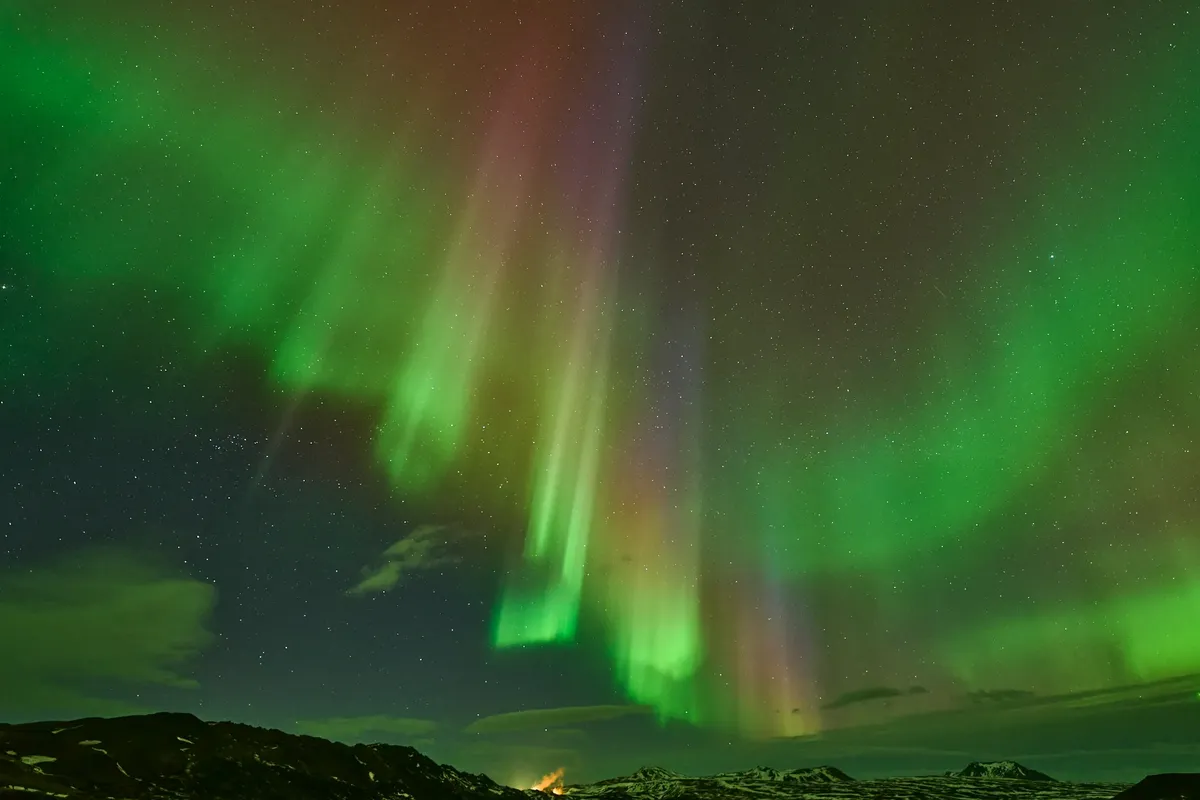
The timing of your trip is critical because the aurora requires darkness, which is abundant during the winter. While summer months attract many visitors, the lack of night makes viewing nearly impossible during that period.
You must be prepared for the physical reality of standing still in freezing temperatures for extended periods.
How do I plan my aurora hunting Iceland?
Checking a weather app on a smartphone, you realize the clouds are moving quickly across the Icelandic landscape. Successful aurora hunting Iceland depends on a flexible itinerary that allows you to chase clear patches of sky.
According to World Bank data, Iceland recorded international tourist arrivals of 488,000 in 2020.
Because weather in the North Atlantic is notoriously unpredictable, a rigid schedule can hinder your success. It is better to have a base in a location like Akureyri or a remote southern village where you can react to sudden breaks in the cloud cover.
Moving between locations based on cloud forecasts is the most effective way to find a clear view.
What are the Iceland aurora locations for visibility?
Driving along a winding coastal road, the headlights illuminate nothing but snow and jagged rocks. Selecting the right Iceland aurora locations means balancing accessibility with the need for complete darkness.
While the capital region is convenient, the most striking displays occur in areas with minimal human interference. The south coast offers dramatic backdrops, but the north often provides more stable conditions for sky observation.
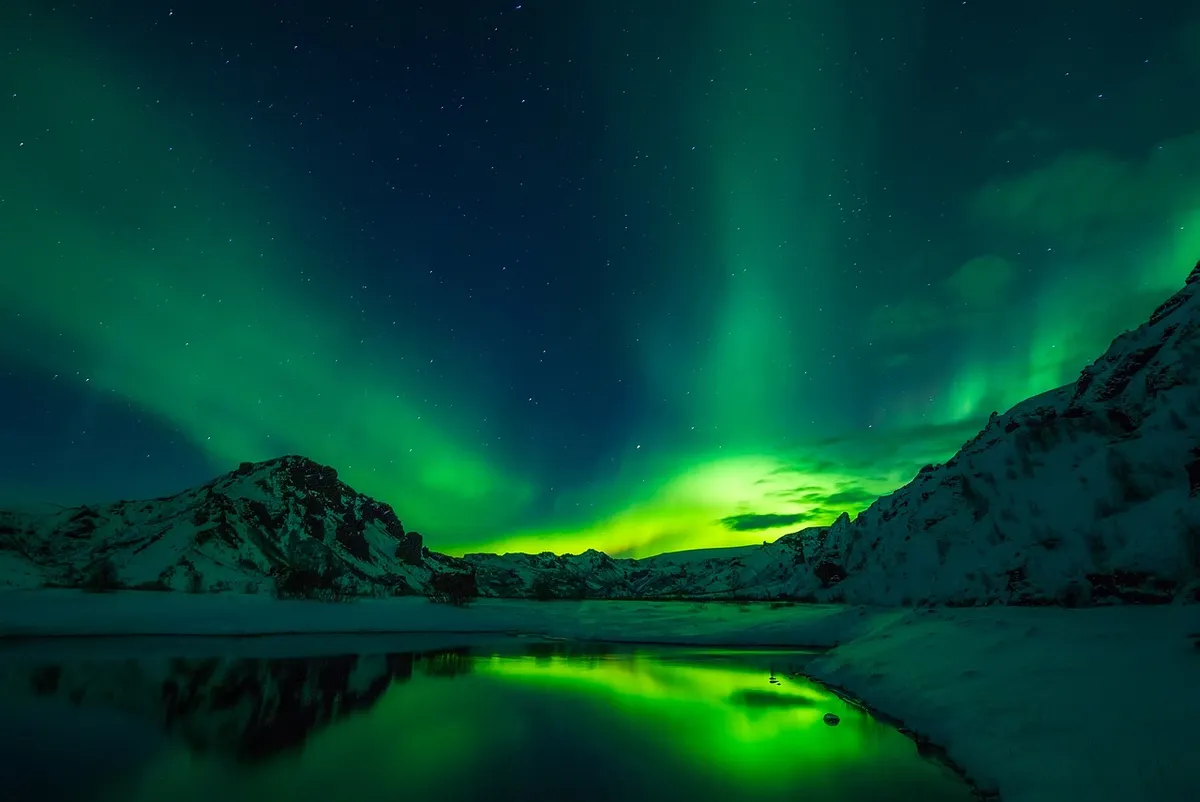
Many travelers find that the outskirts of major towns provide a middle ground between convenience and darkness.
What is the best season for aurora viewing?
Peering through a frost-covered window, you wait for the sun to dip below the horizon to begin your vigil. Determining the best season for aurora viewing requires understanding the balance between darkness and accessibility.
Winter is the primary season for observation because the long nights provide the necessary canvas for the lights. Data shows that winter visitor numbers have increased significantly in recent years, reflecting a growing interest in these seasonal displays.
However, the increased presence of travelers means popular sites can be more crowded than expected.
What are the typical aurora viewing conditions?
Scanning the sky with a flashlight, you realize the atmospheric clarity is the deciding factor for a successful night. Understanding aurora viewing conditions means looking beyond just the lights to the clouds and the moon.
Even with high solar activity, heavy cloud cover can completely obscure the aurora from view. Clear skies are just as important as the solar wind itself.
Additionally, the moon's phase can affect visibility; a full moon may brighten the sky enough to make the fainter green hues harder to distinguish.
What are the Iceland aurora travel route options?
Navigating a rental car through a narrow mountain pass, you keep a sharp eye on the road and the darkening sky. Creating an Iceland aurora travel route involves planning for both the sights you want to see and the darkness you need.
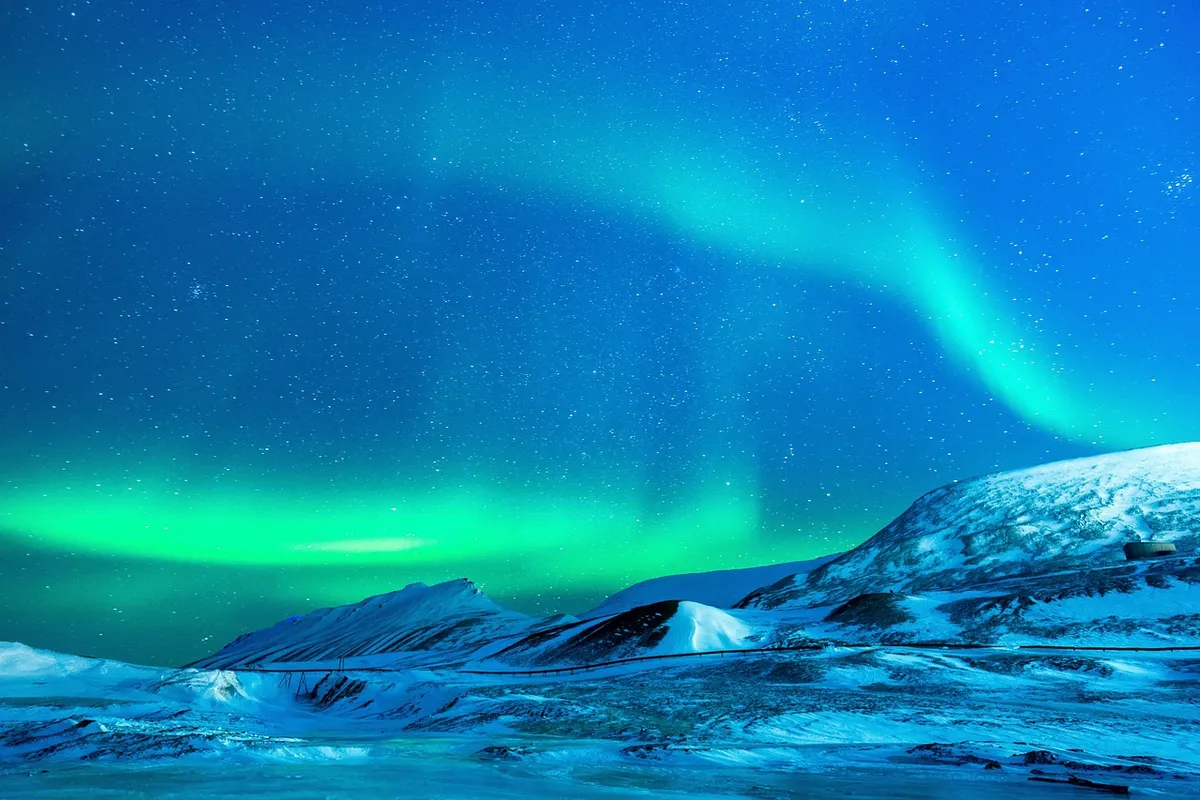
Many people use Reykjavik as a starting point, but expanding your route to the more remote regions increases your chances. A route that includes the south coast and moves toward the north can offer various atmospheric opportunities.
I have found that staying in smaller towns allows for quicker departures when the sky clears.
| Factor | Impact on Viewing |
|---|---|
| Cloud Cover | High (Can block all light) |
| Solar Activity | High (Determines intensity) |
- Where is the best aurora spots Iceland?
- What are the ideal Iceland northern lights tips?
- How do I plan my aurora hunting Iceland?
Related
How does light pollution affect the aurora experience?
- Light pollution from city centers diminishes the visibility of the aurora's subtle movements. 2. Travelers must move away from concentrated urban areas to allow the lights to dance clearly across the sky. 3. The glow of settlements can wash out the fainter hues of the celestial display.
What precautions should travelers take regarding the weather?
- Preparation for winter temperatures is a necessary step when seeking the aurora. 2. A flexible itinerary is essential because the North Atlantic weather is unpredictable. 3. Travelers should monitor forecasts to react to sudden breaks in cloud cover, which can obscure the lights.
The conditions for viewing the lights demand patience, especially when waiting for clear skies. If the clouds remain heavy, even high solar activity will not produce a visible show. You must accept the limitations imposed by the local atmosphere.
The comparison between summer and winter travel highlights the importance of darkness; the lack of night in summer makes viewing nearly impossible. Therefore, selecting a trip time that aligns with long nights is a key consideration for any observer.
When planning the route, remember that the remote reaches of the north or the deep shadows of the south coast generally offer better viewing prospects than the capital region. This comparison shows that location selection directly impacts the chance of seeing the lights.
FAQ
Which part of Iceland is best for seeing the lights?
Is winter the best time to go?
Related posts

Popular posts
7 day Iceland itinerary: Manage vast terrain with this guide
7 Days in Iceland: See Glaciers, Aurora, and Hot Springs
80s Onward: Björk Fuses Vocals with Experimental Soundscapes

Comments 0