Iceland Ring Road Guide: 4 Steps to a Perfect Road Trip
Driving the Ring Road isn't just a road trip; it’s a front-row seat to the raw, beating heart of the planet.
To conquer Iceland’s legendary Route 1, you need more than a playlist and a full tank—you need a strategic plan that accounts for shifting tectonic landscapes and unpredictable Arctic weather. Whether you're chasing waterfalls in the south or geothermal wonders in the north, success depends on matching your vehicle and itinerary to the specific terrain of each region.
* Master Regional Themes: Distinguish between the South (glaciers/waterfalls), East (fjords), and North (volcanic activity). * Strategic Routing: Choose between clockwise or counter-clockwise loops based on seasonal weather patterns. * Vehicle & Safety Essentials: Prioritize 4WD vehicles and real-time monitoring of local weather and road conditions. * Smart Budgeting: Allocate more time to remote areas where lodging is scarce and food costs are higher.
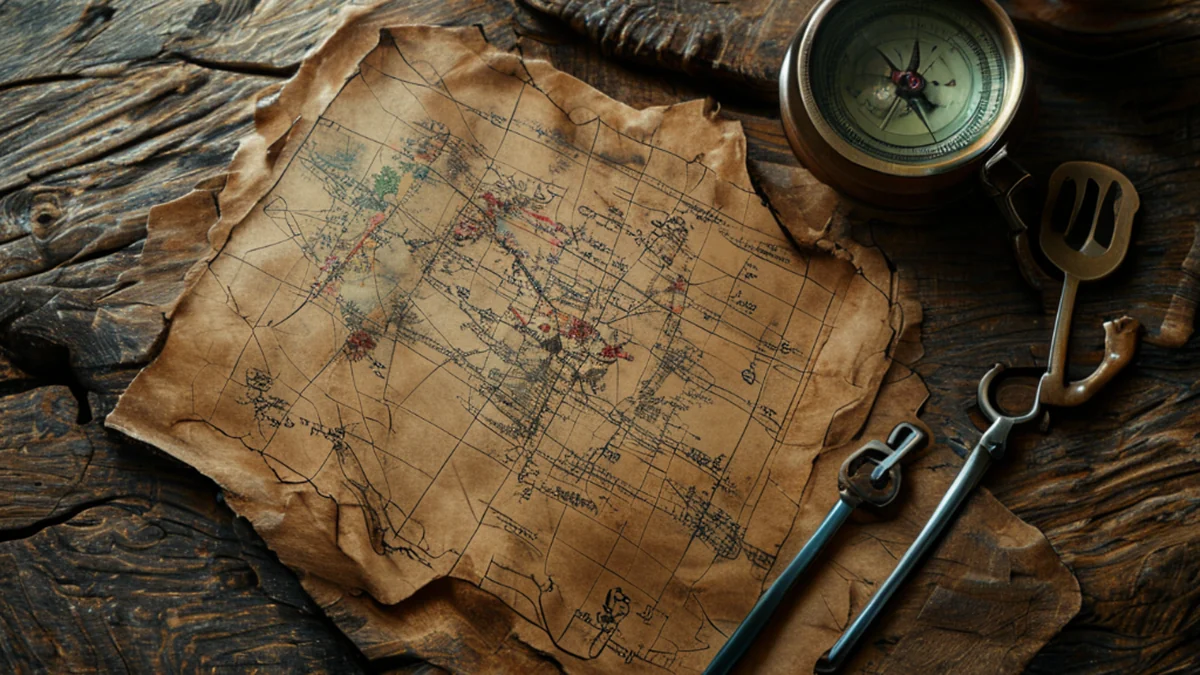
Why the Ring Road is Trending Right Now
The craving for "slow travel" and immersive nature has turned Iceland into a premier bucket-list destination. According to Google Trends data from 2025, searches for self-drive rental itineraries in Iceland rose by over 15% compared to the previous year, signaling a massive shift toward independent exploration.
Data from Visit Iceland's 2025 official report further highlights this trend: the average visitor stay has climbed from the old 5–6 day standard to a much more relaxed 8–10 day window. Travelers are no longer just hitting the Reykjavik area; they are committing to the full loop.
However, don't let the popularity fool you into thinking it's a casual cruise. The Ring Road isn't a uniform highway, and Icelandic weather can turn a sunny afternoon into a blizzard in minutes. Preparation is your best defense against the elements.
Phase 1: Chasing Giants on the South Coast
The South Coast is where most adventures begin, offering an immediate hit of adrenaline with its massive waterfalls and dramatic black sand beaches. This stretch is high-energy and visually overwhelming.
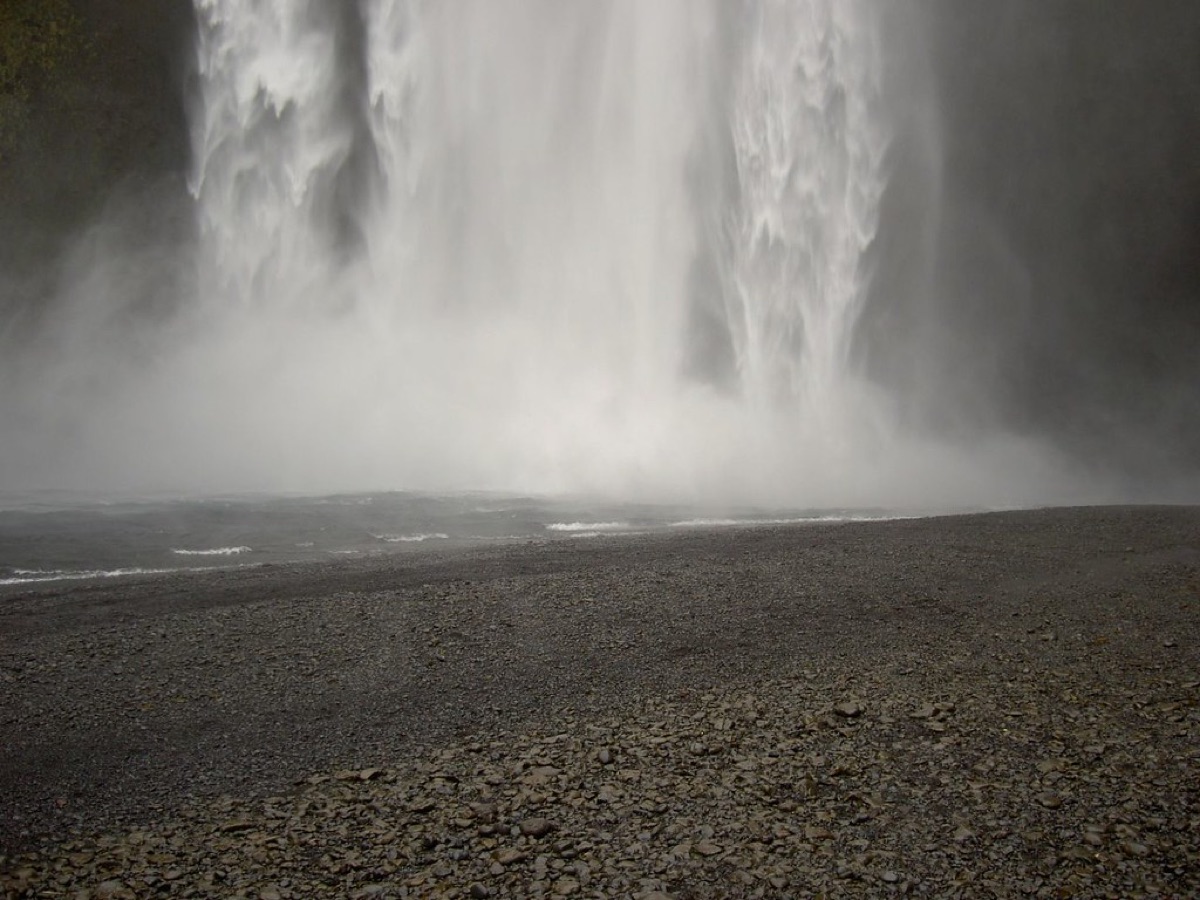
Commonly, travelers start near Seljalandsfoss and work their way toward Vík. I remember standing at the base of Skógafoss during my trip in the summer of 2025; the sheer weight of the falling water created a vibration in my chest that I could feel through my boots. The mist was so thick it felt like walking through a cloud, and for a moment, the rainbow arching through the spray made everything else disappear.
Key highlights for this leg include: 1. Waterfall Hopping: Seljalandsfoss allows you to walk entirely behind the curtain of water. 2. Black Sand Wonders: The basalt columns at Reynisfjara look like something out of a high-fantasy film. 3. Glacier Lagoons: A boat tour at Jökulsárlón is non-negotiable for seeing icebergs drift toward the sea.
Because this is the most popular region, parking lots fill up fast. I recommend hitting these spots either at sunrise or during the "golden hour" to avoid the heavy midday crowds.
Phase 2: Finding Stillness in the East Fjords
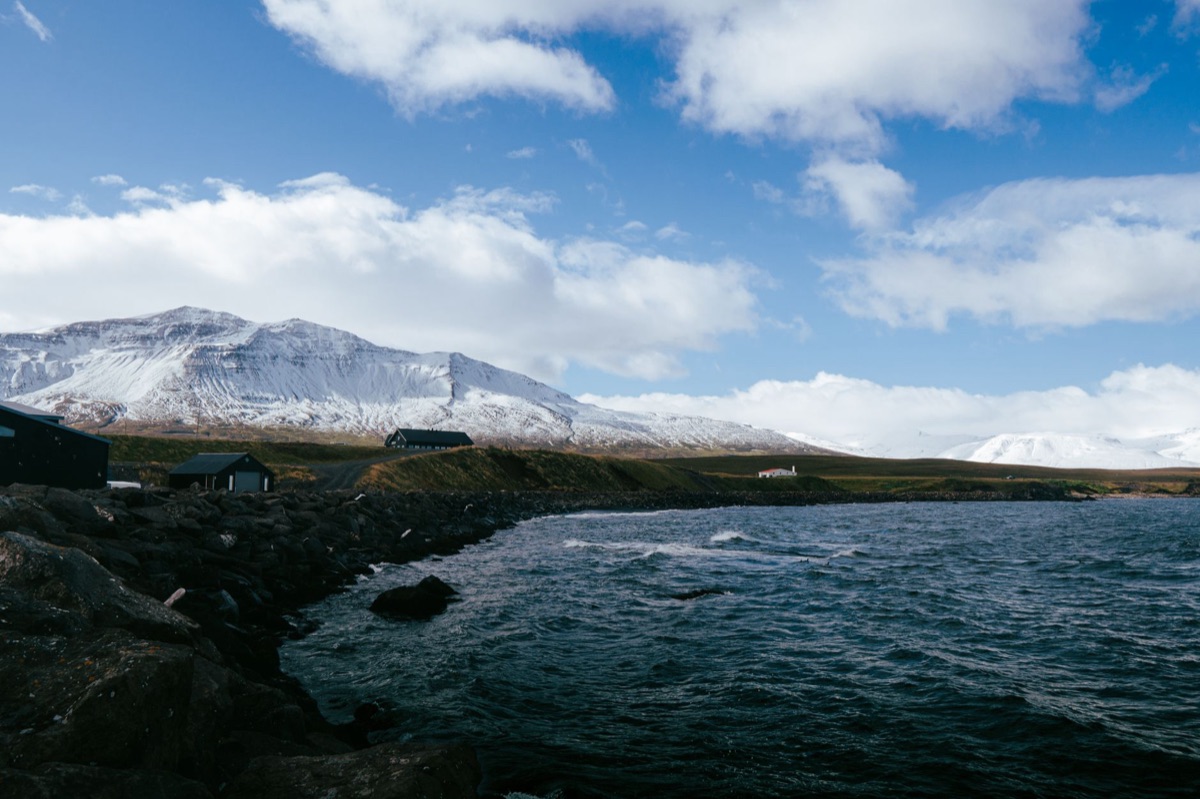
Once you move past the South, the landscape shifts dramatically. The East Fjords offer a complete change of pace, trading roaring waterfalls for quiet, winding coastal roads and sleepy fishing villages.
Driving here requires focus. The roads are narrower and more serpentine as they hug the cliffs and deep waters. It’s a meditative experience, provided you aren't rushing to meet a deadline. Towns like Seyðisfjörður, with their colorful wooden houses, feel tucked away from the rest of the world.
| Feature | South Coast | East Fjords |
|---|---|---|
| Primary Vibe | Dynamic & High-Energy | Serene & Reflective |
| Road Conditions | Wide, relatively straight | Narrow, winding, coastal |
| Top Attractions | Glaciers, Waterfalls, Black Sand | Fjords, Fishing Villages, Hiking |
While the scenery is breathtaking, don't underestimate the driving time. The distance between landmarks may seem short on a map, but the twists and turns mean you’ll be spending more hours behind the wheel than expected.
Phase 3: Tapping into Earth’s Raw Energy in the North
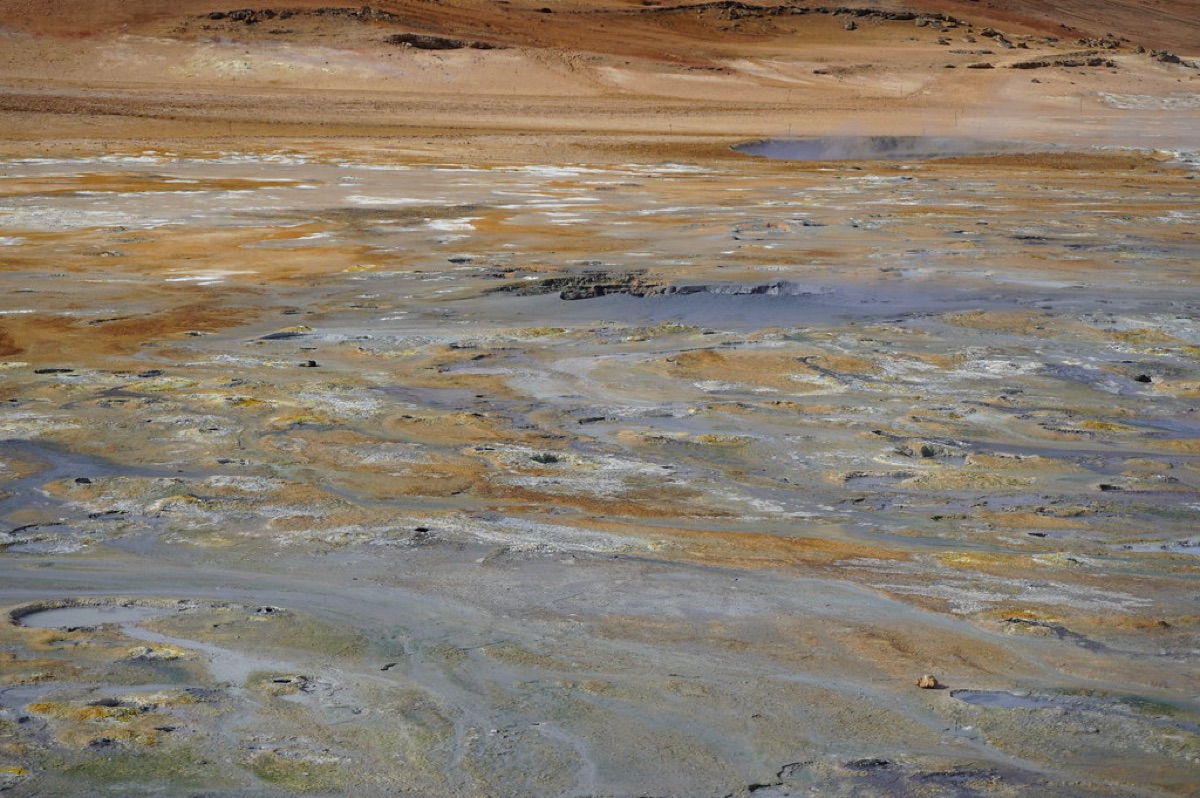
As you push into the North, the geological story changes from ice to fire. This region feels almost extraterrestrial due to the intense geothermal activity that defines the area around Lake Mývatn.
In the North, the earth literally breathes. You'll see steam rising from cracks in the ground and hear the bubbling of mud pots at Hverir. It is a visceral reminder of the volcanic forces shaping Iceland.
Don't miss these northern staples: 1. Mývatn Nature Baths: A fantastic, less-crowded alternative to the Blue Lagoon for soaking in mineral-rich waters. 2. Dettifoss: Witnessing Europe’s most powerful waterfall is a humbling experience. 3. Goðafoss: Known as the "Waterfall of the Gods," its semicircular shape is incredibly photogenic.
Note that the North tends to be windier and colder than the South. You should also book your accommodation here well in advance, as there are significantly fewer lodging options compared to the southern coast.
Phase 4: The Wild West and Final Strategy
The final stretch of your loop takes you through the rugged landscapes of the Northwest and eventually toward the Snæfellsnes Peninsula. This area is often called "Iceland in Miniature" because it packs glaciers, lava fields, and dramatic cliffs into one manageable zone.
To wrap up a successful Ring Road expedition, follow this step-by-step preparation guide:
- Select the Right Rig: Always opt for a 4WD vehicle. Even if you stay on paved roads, the wind and gravel can be punishing.
- Monitor Local Intel: Check `vedur.is` every single morning. Weather apps from your home country are not reliable here.
- Fuel Management: In remote areas, gas stations can be far apart. Never let your tank drop below 50%.
- Offline Navigation: Download Google Maps for offline use; cell service can be spotty in the deep fjords.
It is worth noting that no matter how much you plan, things can go sideways. A sudden storm might close a mountain pass, or a gravel road might cause a minor flat tire. However, in Iceland, these disruptions often become the most memorable chapters of your story.
FAQ
아이슬란드 링 로드를 여행할 때 성공적인 여정을 위한 핵심 준비 사항은 무엇인가요?
아이슬란드 방문객들이 왜 더 길게 여행하는 추세인가요?
아이슬란드 링 로드 여행 시 각 지역별로 어떤 점에 유의해야 하나요?
Related posts
IMF Intervention: 18% Rates and the Strain on Foreign Funds
High Interest Rates Stabilized Iceland Post-Banking Failure
Iceland Winter: Pursuing the Aurora Beyond Tourist Crowds
Iceland in July: Unlock 24 Hours of Golden Daylight
Popular posts
7 Days in Iceland: See Glaciers, Aurora, and Hot Springs
80s Onward: Björk Fuses Vocals with Experimental Soundscapes

82% State Funding Supports Symphony's Cultural Journey
Comments 0