Aurora viewing tips: Best time for aurora viewing in winter
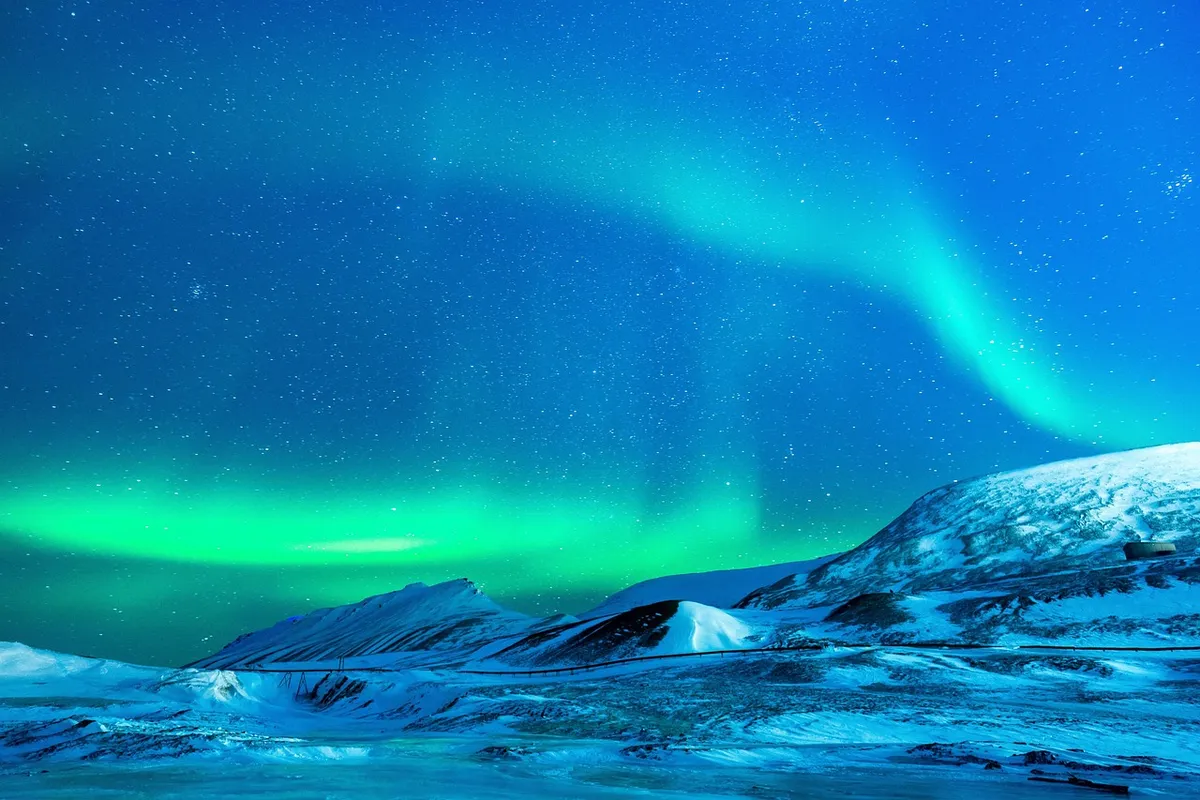
"The lights dance across the sky, a silent, emerald symphony that transforms the Arctic night into a theater of cosmic wonder."
* Prioritize late autumn through early spring for maximum darkness. * Seek out remote areas far from the light pollution of Reykjavik. * Monitor weather conditions and solar forecasts daily. * Prepare for cold temperatures and unpredictable Arctic winds.
When is the best time to see the aurora?
I shiver in the midnight chill as I squint upward, waiting for the aurora to pierce the heavy darkness. A traveler stands on a frozen ridge, breath misting in the biting air as they scan the velvet expanse of the midnight sky. To find the best time for aurora viewing, one must look toward the period of maximum seasonal darkness.
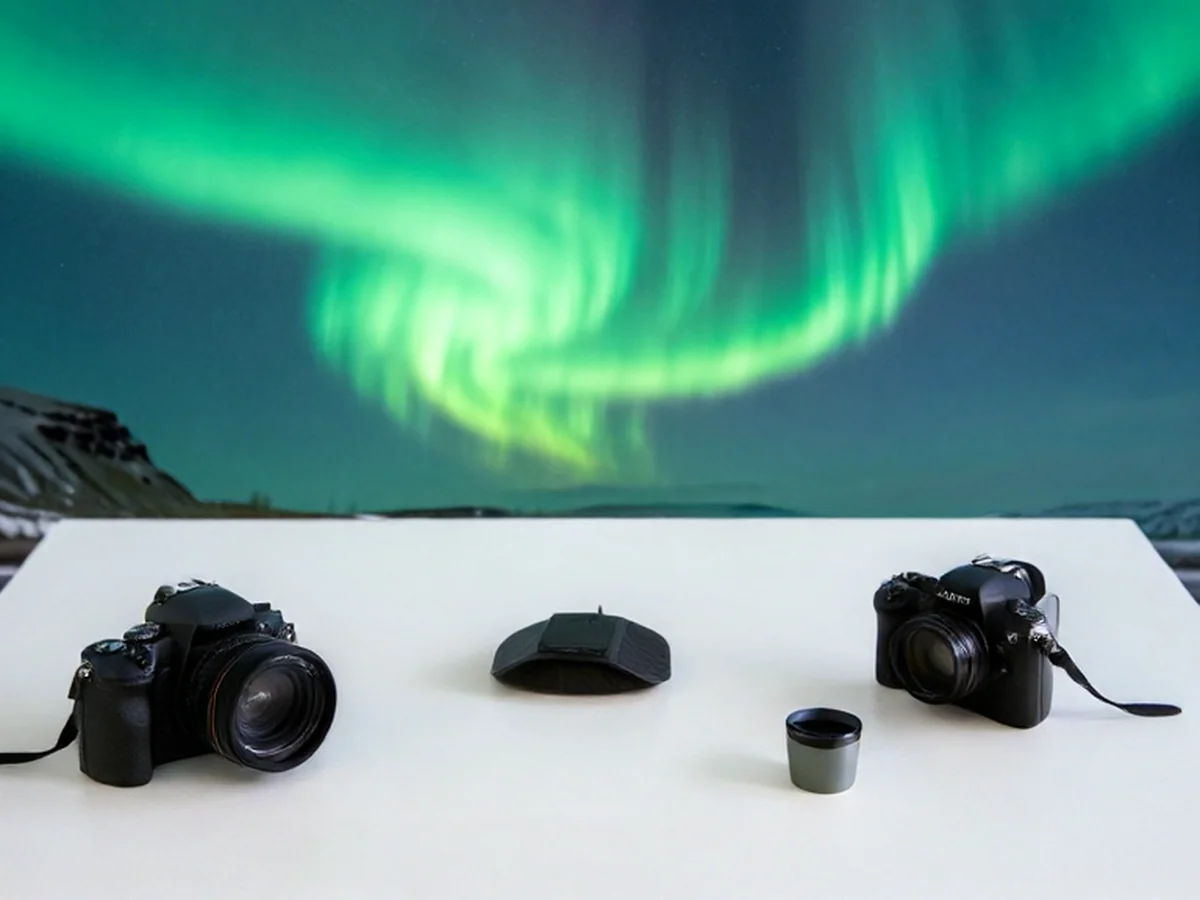
According to historical trends, the percentage of winter visitors to the country has shown growth, as seen in shifts observed around 2014. This seasonal shift is vital because the long daylight hours of the Icelandic summer can drown out the subtle glow of the northern lights.
Seeking the optimal aurora location guide means planning for months when the sun stays low or below the horizon for extended periods.
However, these optimal conditions may not apply during periods of heavy cloud cover or extreme weather.
Where is the best place to see the northern lights?
A person adjusts their camera tripod on a gravel path, the crunch of frost underfoot the only sound in the vast, silent landscape. Finding where to see northern lights requires moving away from the concentrated glow of urban centers.
While many travelers land at Keflavik and stay near popular sites like the Golden Circle, these areas often carry enough light pollution to obscure the sky.
The most successful aurora hunting involves traveling toward the darker reaches of the countryside. For instance, while many tourists concentrate in the south, looking toward more remote northern regions can provide a clearer view.
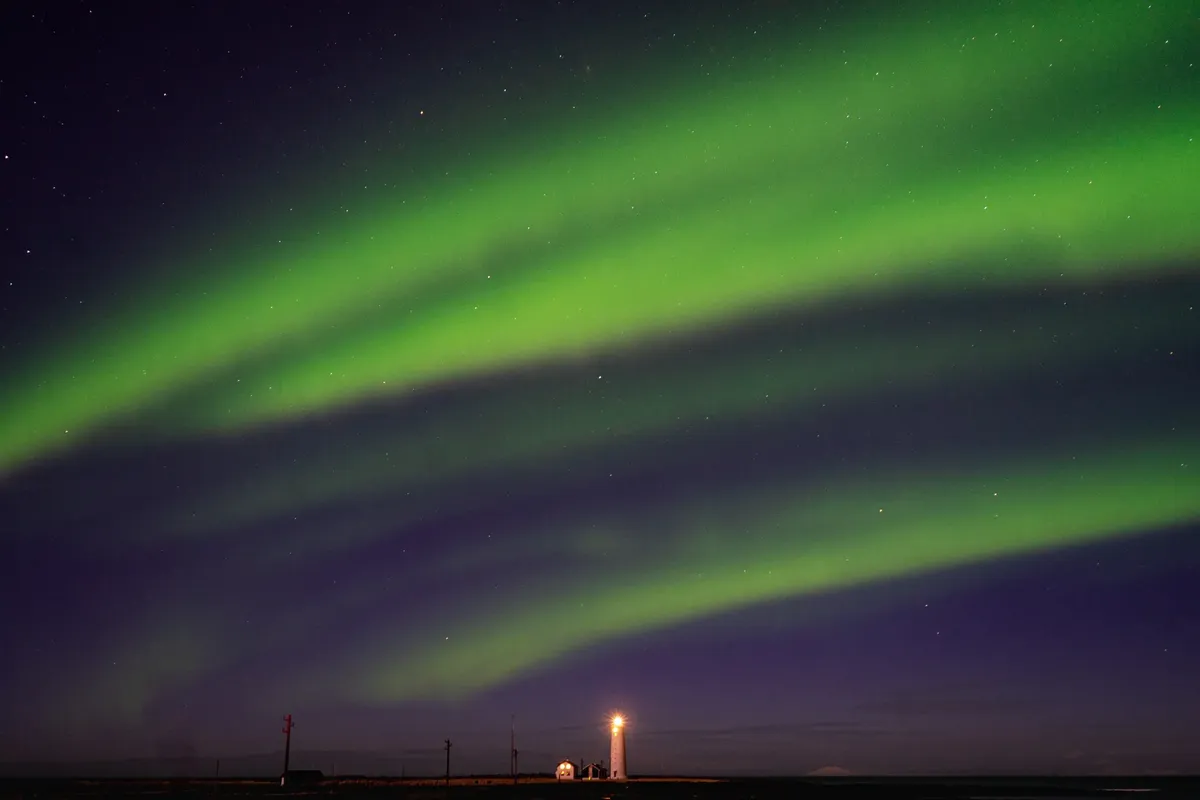
Using Iceland aurora viewing time effectively means finding a spot where the horizon is unobstructed and the local lights are minimal.
Keep in mind that light pollution from nearby cities can significantly reduce your chances of a clear view.
How can I plan my aurora hunting trip?
A researcher sits at a desk in a dimly lit room, checking satellite maps and cloud cover projections on a glowing screen. Planning a successful trip requires a structured approach to mitigate the unpredictability of Arctic weather.
- Select a travel window between September and April to ensure sufficient night darkness. 2. Book accommodations in rural areas rather than staying exclusively in the capital. 3. Rent a vehicle capable of handling icy or snowy road conditions.
I found that checking the cloud cover forecast every few hours was the most critical part of my evening routine. After completing these steps, perform a final check of your thermal gear and camera batteries to ensure they can withstand the sub-zero temperatures.
Note that even the most meticulous planning cannot guarantee sightings if solar activity remains low.
What are the best spots for aurora hunting?
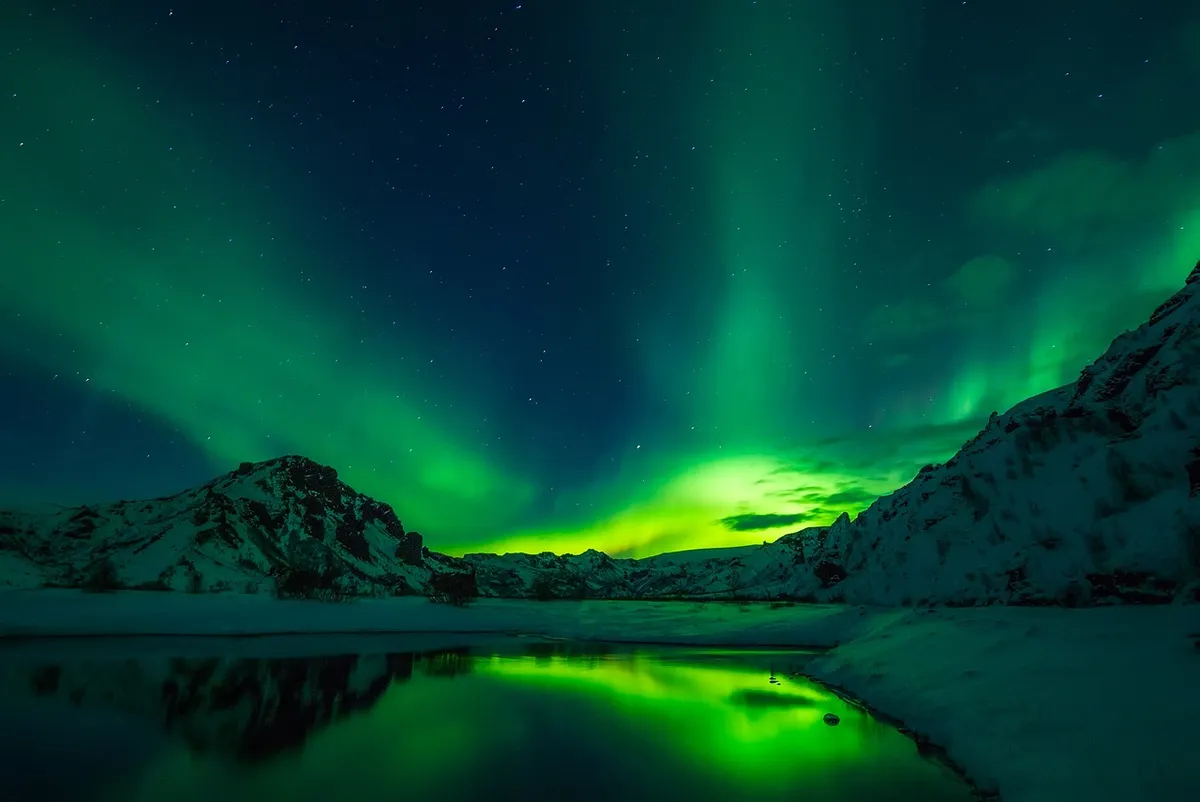
A hiker pauses near a dark shoreline, looking up as a faint green smear begins to pulse above the mountains. Identifying the best spots for aurora hunting involves balancing accessibility with darkness.
Many visitors use Reykjavik as a base, but the city's light can limit the intensity of what you see.
The tourism industry in Iceland has grown significantly, with the country receiving just under 2.3 million foreign overnight visitors in 2025. This influx means popular sites can become crowded, making it harder to find a dark vantage point.
To find the best time for lights, one should look for locations that offer wide-open skies and minimal interference from nearby settlements.
Be aware that the most popular viewing locations are often more crowded and less private.
Is it difficult to see the lights in Iceland?
A group of travelers huddles together under a heavy blanket, eyes fixed on the horizon while waiting for a sign of movement. Whether seeing the lights is difficult depends heavily on the intersection of solar activity and local weather.
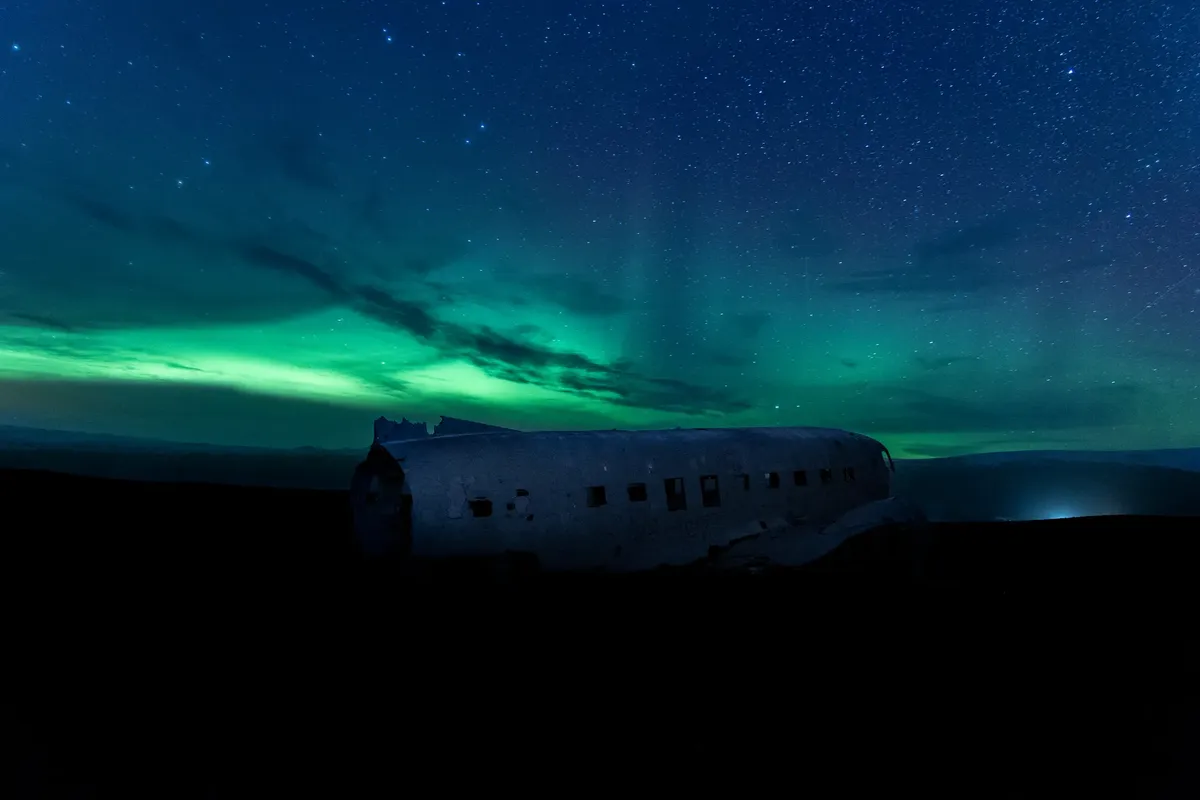
According to the Icelandic Tourist Board, the total number of overnight stays by foreign visitors to Iceland grew from 595,000 in 2000 to 2.1 million in 2010, before rising to 4.4 million in 2014. According to World Bank data, Iceland recorded international tourist arrivals of 488,000 in 2020.
Even with high solar activity, heavy cloud cover can completely hide the display.
When seeking an optimal aurora location guide, it is important to understand that weather is the primary obstacle. Even if the solar forecast is perfect, a thick layer of clouds will prevent any viewing.
This unpredictability is a core part of the experience for those following Iceland aurora viewing time recommendations.
While Iceland offers great opportunities, frequent storm systems can sometimes obstruct the view.
How do I prepare for the cold while waiting?
A driver pulls over on a quiet road, wrapping a thick scarf around their face before stepping out into the wind. Preparing for the environment is just as important as finding the right sky. The conditions can change rapidly, requiring immediate adjustments to clothing and equipment.
| Condition | Preparation Requirement |
|---|---|
| Low Temperature | Thermal layers and windproof outer shells |
| Low Light | Tripods and high-ISO camera settings |
I learned that having extra layers ready in the car made the long waits much more tolerable. It is essential to stay dry, as moisture from perspiration can quickly turn into a chill in the Arctic air.
Standard winter clothing may not be sufficient if you are standing still for several hours in sub-zero temperatures.
- The best time for aurora viewing in Iceland occurs during the darker months when night skies remain sufficiently black to reveal the celestial display.
- Travelers should focus on remote locations away from city lights and monitor solar activity while ensuring they visit during the winter season when darkness is most consistent.
- While some visitors arrive in summer, the phenomenon requires a dark sky to be visible to the naked eye.
Related
- Aurora viewing guide: Iceland aurora viewing guide best tips
- Iceland travel best time: Witness cosmic energy display
How does solar activity affect the lights?
- Solar activity serves as the necessary trigger for the aurora lights to appear. 2. The intensity of the celestial dance correlates directly with the level of solar emissions. 3. Travelers must continuously check solar forecasts because this activity dictates visibility.
The celestial dance, therefore, is not solely dependent on the dark sky; it requires an energetic input from the sun. A strong geomagnetic storm increases the likelihood of seeing vibrant lights. Conversely, periods of low solar activity mean the lights may remain subtle or absent entirely.
Monitoring this factor is a crucial part of any successful aurora hunt.
What precautions should be taken when viewing the lights?
- Always dress in multiple thermal layers when expecting to wait for the lights. 2. Ensure your camera equipment is protected from the extreme cold. 3. Be mindful of the remote location; never wander alone in the dark.
The unpredictable Arctic winds necessitate robust outer gear to maintain warmth while observing the lights. When setting up equipment, remember that high-ISO settings are useful for capturing the faint glow, even if the cloud cover is thin.
A final caution involves staying hydrated, even in the cold, to maintain alertness during long waits for the lights.
When should I check the forecast?
Checking the cloud cover forecast every few hours was the most critical part of my evening routine. This procedure allows a visitor to adapt their viewing schedule based on immediate atmospheric conditions.
If the clouds obscure the sky, the entire viewing session must be postponed or relocated to a clearer area. This constant vigilance helps maximize the chance of witnessing the lights.
Comments 0